
Uncategorised

Parent discussing recovery options with adult child
Uncategorised

Parents of Adult Children

Helping an adult child with an eating disorder requires shifting from a directive parenting role to a collaborative support model. It involves establishing firm boundaries regarding financial aid and living arrangements, encouraging professional treatment through non-judgmental communication, and navigating complex legal rights regarding medical privacy and consent within the New Zealand healthcare system. Table of […]

Reflection in mirror symbolizing gender dysphoria and body image struggle
Uncategorised

LGBTQ+ & Transgender

Gender dysphoria and eating disorders often co-occur as individuals may utilize disordered eating behaviors to suppress secondary sex characteristics, such as menstruation or curves, to align their physical body with their gender identity. This intersection requires specialized, gender-affirming care to address both the psychological distress of dysphoria and the physical risks of the eating disorder

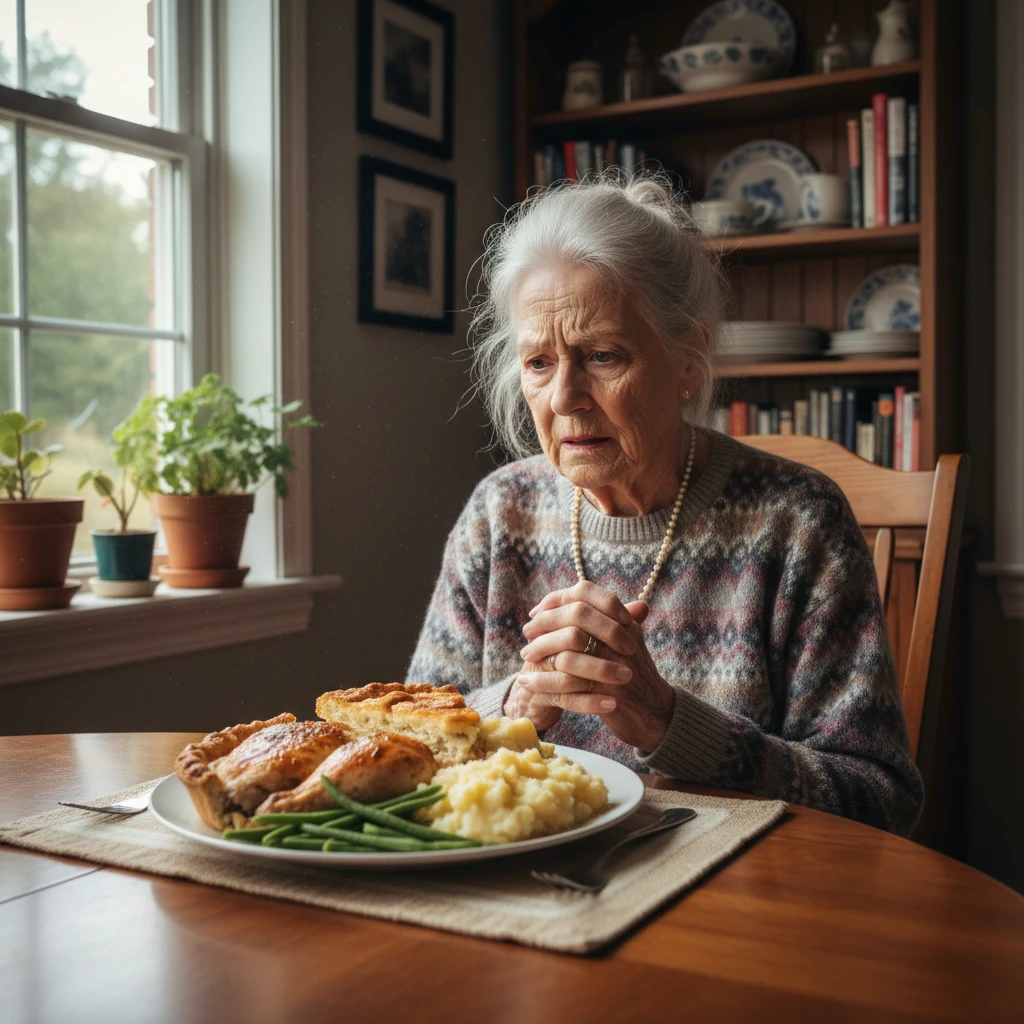
Elderly woman experiencing anxiety around food intake
Uncategorised

Elderly & Late Onset

Anorexia tardive refers to the onset of anorexia nervosa or significant restricted eating behaviors manifesting in late adulthood. Unlike physiological anorexia of aging, which is a natural decrease in appetite, anorexia tardive symptoms are driven by psychological factors, body image distortion, or a desire for control amidst life changes such as grief or loss of

Adult experiencing anxiety around food at a social gathering
Uncategorised

ARFID in Adults vs Children

What is ARFID in adults? ARFID (Avoidant/Restrictive Food Intake Disorder) in adults is a complex eating disorder characterized by a persistent restriction of food intake due to sensory sensitivities, lack of interest in eating, or fear of aversive consequences like choking, resulting in significant nutritional deficiencies and psychosocial impairment, distinct from body image concerns. Table

guilt
Uncategorised

1. Binge Eating Disorder: The Hidden Epidemic in New Zealand

Binge eating disorder is a hidden epidemic in New Zealand. It is estimated that 1 in 10 New Zealanders suffer from this disorder, which is twice the global average. Binge eating disorder is a serious mental illness characterised by recurrent episodes of binge eating. A binge is defined as eating an excessive amount of food

support groups
Uncategorised

2. The Rise of Binge Eating Disorder in New Zealand

Binge eating disorder is a serious and growing problem in New Zealand. It is estimated that one in every ten New Zealanders suffers from this disorder. Binge eating disorder is characterized by episodes of overeating, followed by feelings of shame, guilt and disgust. Binge eaters often eat in secret and feel unable to control their

guilt
Uncategorised

3. Binge Eating Disorder: Why More New Zealanders are Suffering

There’s no doubt about it – New Zealanders love their food. We’re known for our hearty breakfasts, tasty pies, and of course, our love of chocolate. But for some people, food is more than just a pleasure. For those suffering from binge eating disorder (BED), food can be a dangerous obsession. BED is a serious

depression
Uncategorised

4. Binge Eating Disorder: How to Seek Help

If you’re struggling with binge eating disorder, know that you’re not alone. This disorder is more common than you might think, and there is help available. Here’s what you need to know about binge eating disorder and how to seek help. What is Binge Eating Disorder? Binge eating disorder is a type of eating disorder

distorted body image
Binge eating disorder, Uncategorised

Binge Eating Disorder in New Zealand: The Facts

Binge eating disorder is a serious, life-threatening eating disorder that is characterised by regular episodes of binge eating. Binge eating episodes are characterised by eating large amounts of food in a short period of time, and feeling out of control during the episode. Binge eating disorder is a relatively new eating disorder, and as such,

Scroll to Top