Uncategorised

Whangarei Medical Center Exterior
Uncategorised

Northland Services

Mental health services in Whangarei for eating disorders are primarily coordinated through Te Whatu Ora Te Tai Tokerau (formerly Northland DHB). Access begins with a GP referral to the Intake and Assessment team, which triages patients to either Child and Adolescent Mental Health Services (CAMHS) or General Adult Community Mental Health, often utilizing a shared-care […]
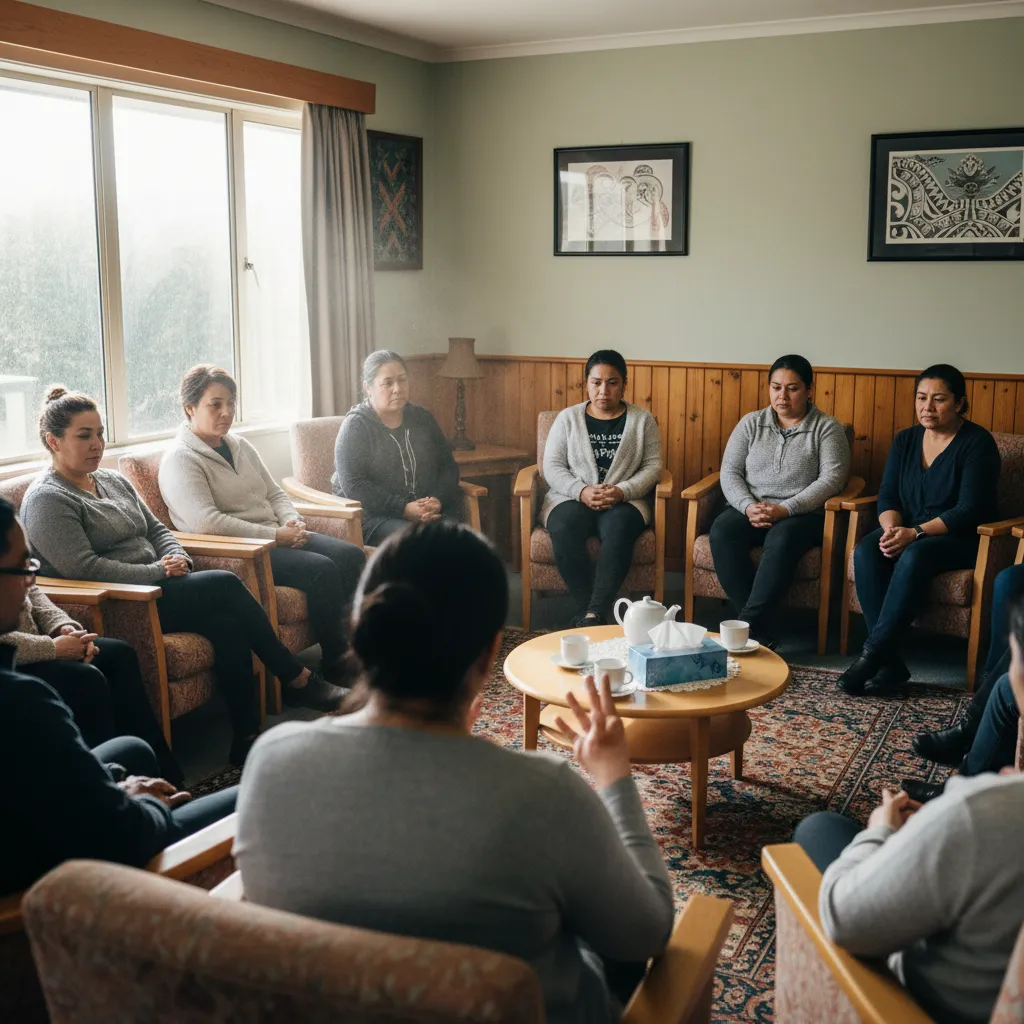
EDANZ in-person support group meeting for parents
Uncategorised

EDANZ Support Groups

To register for an EDANZ support group, visit the official EDANZ website events calendar or email info@ed.org.nz directly. These peer-led sessions are available online via Zoom and in-person across New Zealand. Registration is free but mandatory to receive secure meeting links and ensure client confidentiality for all participating families. Navigating the turbulent waters of an

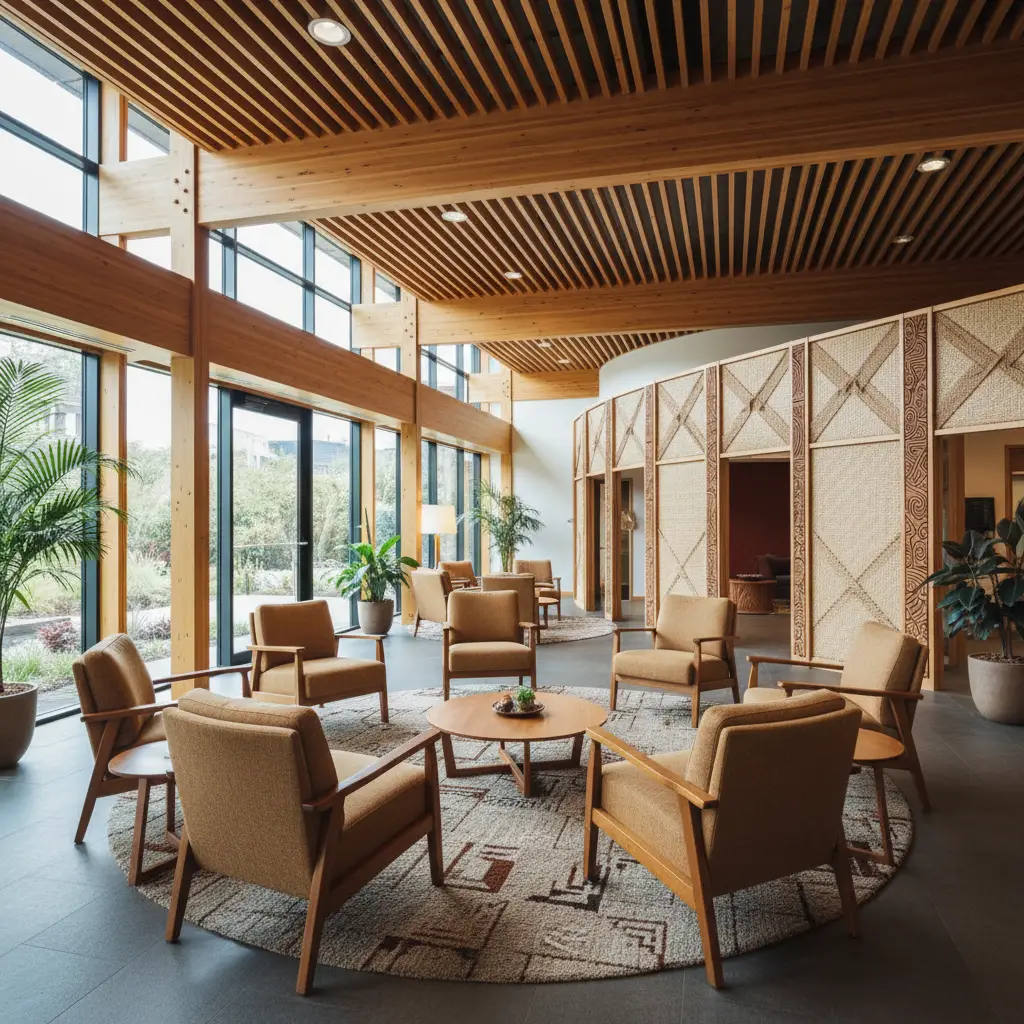
Interior of a Kaupapa Māori mental health facility designed for holistic healing
Uncategorised

Māori & Pasifika Providers

Kaupapa Māori mental health services are indigenous-led healthcare frameworks grounded in tikanga (customs) and te reo Māori. Unlike Western clinical models that often isolate symptoms, these services utilize holistic models like Te Whare Tapa Whā to treat eating disorders by balancing spiritual, physical, family, and mental well-being simultaneously to restore mana and wholeness. Table of

Man examining reflection in mirror showing signs of body dysmorphia
Uncategorised

Men & Boys

Male body dysmorphia symptoms typically involve an obsessive preoccupation with perceived physical defects, often focusing on insufficient muscularity or leanness. Key indicators include compulsive mirror checking, excessive grooming, avoidance of social situations due to appearance anxiety, and rigid exercise routines that interfere with daily life, work, and relationships. While Body Dysmorphic Disorder (BDD) affects all

Midlife woman struggling with body image during perimenopause
Uncategorised

Mid-Life & Menopause

Eating disorders in midlife women are complex mental health conditions often triggered by the hormonal shifts of perimenopause, significant life transitions like empty nest syndrome, or the relapse of dormant adolescent struggles. These disorders—including anorexia, bulimia, and binge eating—require specialized treatment addressing both physiological aging and psychological resilience. While often stereotyped as illnesses affecting teenagers,

University student experiencing exam stress and loss of appetite
Uncategorised

University Students

Stress induced restriction exams refers to a maladaptive coping mechanism where students unconsciously or consciously limit food intake to regain a sense of control amidst high academic pressure. This behavior typically escalates during the October assessment period in New Zealand, leading to cognitive decline, reduced concentration, and heightened anxiety, which paradoxically undermines academic performance. Table

Mother experiencing postpartum body image distress
Uncategorised

Postpartum & Pregnancy

Eating disorder relapse postpartum is the recurrence or intensification of disordered eating behaviors—such as restriction, bingeing, or purging—following childbirth. Triggered by hormonal fluctuations, sleep deprivation, and societal pressure to lose baby weight rapidly, it requires immediate professional intervention to protect the physical and mental health of both the mother and the infant. Table of Contents

Athletes experiencing fatigue due to Relative Energy Deficiency in Sport
Uncategorised

Athletes & RED-S

Relative Energy Deficiency in Sport (RED-S) is a syndrome resulting from low energy availability, where an athlete’s dietary energy intake is insufficient to support the energy expenditure required for health and daily living after the cost of exercise is removed. This deficit impairs physiological functions including metabolism, menstrual function, bone health, and immunity. Table of

New Zealand Summer Christmas Table Setting
Uncategorised

Christmas & Holidays

An eating disorder Christmas survival guide is a strategic recovery plan designed to help individuals navigate the unique stressors of the holiday season. It involves pre-planning meals to reduce anxiety, setting firm boundaries regarding body comments, and establishing a support network to maintain recovery momentum during the challenging summer holiday period in New Zealand. Table

Partner providing emotional support during a difficult conversation
Uncategorised

Supporting a Partner

To help a partner with an eating disorder, prioritize open, non-judgmental communication and encourage professional treatment while avoiding the role of “food police.” Focus on their feelings rather than their appearance or diet, educate yourself on the specific condition, and maintain strict boundaries to protect your own mental health against caregiver burnout. Watching the person

Scroll to Top