Author name: admin

Midlife woman struggling with body image during perimenopause
Uncategorised

Mid-Life & Menopause

Eating disorders in midlife women are complex mental health conditions often triggered by the hormonal shifts of perimenopause, significant life transitions like empty nest syndrome, or the relapse of dormant adolescent struggles. These disorders—including anorexia, bulimia, and binge eating—require specialized treatment addressing both physiological aging and psychological resilience. While often stereotyped as illnesses affecting teenagers, […]


University student experiencing exam stress and loss of appetite
Uncategorised

University Students

Stress induced restriction exams refers to a maladaptive coping mechanism where students unconsciously or consciously limit food intake to regain a sense of control amidst high academic pressure. This behavior typically escalates during the October assessment period in New Zealand, leading to cognitive decline, reduced concentration, and heightened anxiety, which paradoxically undermines academic performance. Table

Mother experiencing postpartum body image distress
Uncategorised

Postpartum & Pregnancy

Eating disorder relapse postpartum is the recurrence or intensification of disordered eating behaviors—such as restriction, bingeing, or purging—following childbirth. Triggered by hormonal fluctuations, sleep deprivation, and societal pressure to lose baby weight rapidly, it requires immediate professional intervention to protect the physical and mental health of both the mother and the infant. Table of Contents

Athletes experiencing fatigue due to Relative Energy Deficiency in Sport
Uncategorised

Athletes & RED-S

Relative Energy Deficiency in Sport (RED-S) is a syndrome resulting from low energy availability, where an athlete’s dietary energy intake is insufficient to support the energy expenditure required for health and daily living after the cost of exercise is removed. This deficit impairs physiological functions including metabolism, menstrual function, bone health, and immunity. Table of

New Zealand Summer Christmas Table Setting
Uncategorised

Christmas & Holidays

An eating disorder Christmas survival guide is a strategic recovery plan designed to help individuals navigate the unique stressors of the holiday season. It involves pre-planning meals to reduce anxiety, setting firm boundaries regarding body comments, and establishing a support network to maintain recovery momentum during the challenging summer holiday period in New Zealand. Table

Partner providing emotional support during a difficult conversation
Uncategorised

Supporting a Partner

To help a partner with an eating disorder, prioritize open, non-judgmental communication and encourage professional treatment while avoiding the role of “food police.” Focus on their feelings rather than their appearance or diet, educate yourself on the specific condition, and maintain strict boundaries to protect your own mental health against caregiver burnout. Watching the person

Parent discussing recovery options with adult child
Uncategorised

Parents of Adult Children

Helping an adult child with an eating disorder requires shifting from a directive parenting role to a collaborative support model. It involves establishing firm boundaries regarding financial aid and living arrangements, encouraging professional treatment through non-judgmental communication, and navigating complex legal rights regarding medical privacy and consent within the New Zealand healthcare system. Table of

Reflection in mirror symbolizing gender dysphoria and body image struggle
Uncategorised

LGBTQ+ & Transgender

Gender dysphoria and eating disorders often co-occur as individuals may utilize disordered eating behaviors to suppress secondary sex characteristics, such as menstruation or curves, to align their physical body with their gender identity. This intersection requires specialized, gender-affirming care to address both the psychological distress of dysphoria and the physical risks of the eating disorder

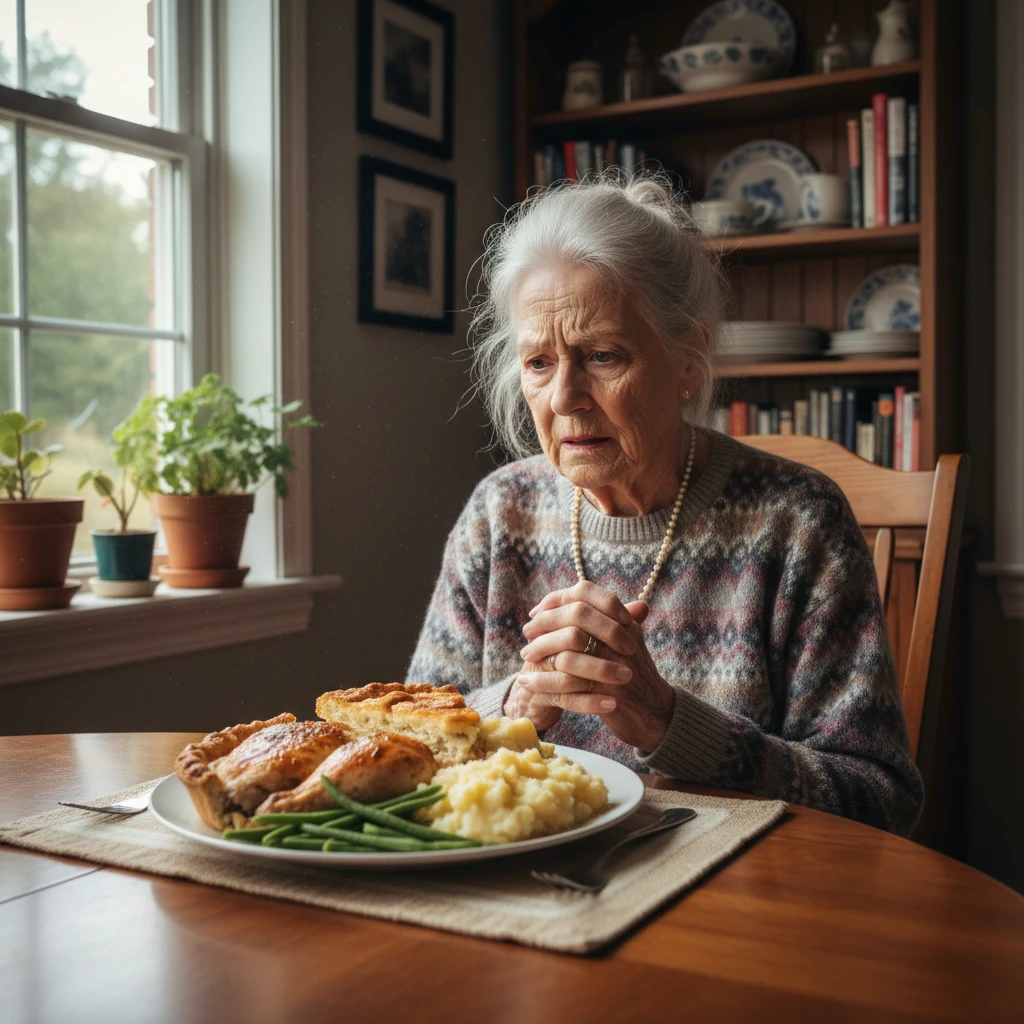
Elderly woman experiencing anxiety around food intake
Uncategorised

Elderly & Late Onset

Anorexia tardive refers to the onset of anorexia nervosa or significant restricted eating behaviors manifesting in late adulthood. Unlike physiological anorexia of aging, which is a natural decrease in appetite, anorexia tardive symptoms are driven by psychological factors, body image distortion, or a desire for control amidst life changes such as grief or loss of

Adult experiencing anxiety around food at a social gathering
Uncategorised

ARFID in Adults vs Children

What is ARFID in adults? ARFID (Avoidant/Restrictive Food Intake Disorder) in adults is a complex eating disorder characterized by a persistent restriction of food intake due to sensory sensitivities, lack of interest in eating, or fear of aversive consequences like choking, resulting in significant nutritional deficiencies and psychosocial impairment, distinct from body image concerns. Table

Scroll to Top