An emergency mental health team in NZ, often referred to as the Crisis Assessment and Treatment Team (CATT), provides urgent psychiatric intervention for individuals experiencing acute distress or medical instability. If you or a loved one are at immediate risk due to an eating disorder or mental health crisis, you should contact your local District Health Board’s 24/7 crisis line immediately or dial 111 if life is in imminent danger.
When should you go to the Emergency Department immediately?
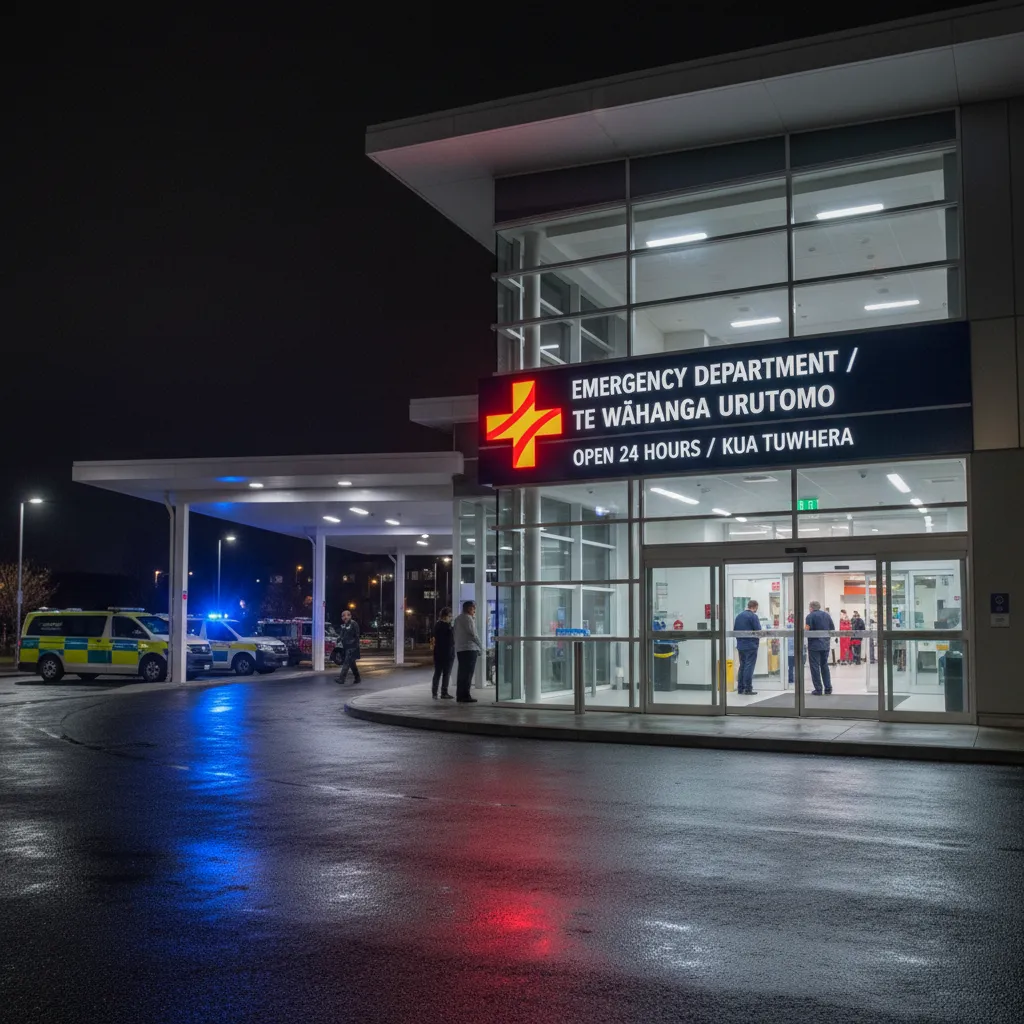
In the context of severe eating disorders and acute mental distress, determining when to seek hospital-level care is a critical decision. If there is an immediate threat to life, either through medical complications or psychiatric risk, dial 111 immediately.
For individuals battling eating disorders such as Anorexia Nervosa or Bulimia Nervosa, the body can reach a tipping point where urgent medical stabilisation is required to prevent fatal outcomes. You must present to the nearest Emergency Department (ED) if the individual exhibits any of the following signs of physical collapse or acute psychiatric distress.
Physical Warning Signs Requiring Immediate Attention
Eating disorders place immense strain on the cardiovascular and metabolic systems. Do not wait for a scheduled GP appointment if you observe:
- Loss of Consciousness: Fainting (syncope) or sudden collapse is a sign of severe hemodynamic compromise.
- Chest Pain or Palpitations: Irregular heartbeats or chest tightness can indicate electrolyte disturbances affecting heart function.
- Severe Dehydration: Signs include extreme thirst, dark urine, confusion, or dizziness upon standing.
- Hematemesis: Vomiting blood, which may indicate a tear in the esophagus (Mallory-Weiss tear).
- Cold Extremities with Confusion: If hands and feet are blue/cold and the person is disoriented, this may indicate hypothermia or shock.
Psychiatric Emergencies
An emergency mental health team NZ creates safety plans for psychiatric crises, but immediate ED presentation is necessary when:
- There is an active plan and intent to end one’s life.
- The individual has engaged in serious self-harm requiring medical attention (e.g., sutures, overdose).
- There is a loss of touch with reality (psychosis), involving hallucinations or delusions that pose a safety risk.
- Aggressive behavior that cannot be de-escalated safely at home.
How do I contact the Emergency Mental Health Team in NZ?
If the situation is urgent but not immediately life-threatening (i.e., the person is conscious and medically stable but in severe distress), the most appropriate course of action is to contact the Crisis Assessment and Treatment Team (CATT). In New Zealand, these teams are regionally managed by Te Whatu Ora (Health New Zealand) through local districts.
Steps to Contact CATT:
- Identify Your DHB Region: Crisis numbers are specific to your location (e.g., Auckland, Canterbury, Wellington).
- Search “Crisis Team [Your City] Phone”: Most lines are 0800 numbers and operate 24 hours a day, 7 days a week.
- Prepare Information: When you call, the triage nurse will need specific details to prioritise the case. Have the NHI number (if known), current medication list, and a clear description of the immediate risk ready.
The CATT team acts as the gatekeeper to inpatient psychiatric units and provides intensive home-based treatment. They are mobile and can visit the individual at home or arrange an assessment at a local clinic or hospital.

What are the Medical Instability Criteria for Eating Disorders?
In New Zealand, clinicians often refer to specific guidelines to determine if a patient with an eating disorder requires urgent hospital admission. Understanding these criteria can empower families to advocate for necessary care during an assessment with an emergency mental health team.
The following metrics indicate medical instability. If a loved one meets these criteria, they likely require inpatient medical stabilisation rather than community psychiatric support alone.
Vital Signs and Cardiovascular Status
- Bradycardia: A heart rate of fewer than 40 beats per minute (bpm) in adults, or fewer than 50 bpm in children/adolescents.
- Hypotension: Systolic blood pressure below 90 mmHg.
- Postural Tachycardia: An increase in heart rate of >20 bpm when moving from lying to standing.
- Orthostatic Hypotension: A drop in systolic blood pressure of >20 mmHg upon standing.
Temperature and Electrolytes
- Hypothermia: A core body temperature below 35.5°C.
- Hypokalemia: Low potassium levels, which significantly increase the risk of cardiac arrest.
- Hypoglycemia: Low blood sugar levels causing confusion or fainting.
If you are supporting someone with an eating disorder, having a GP measure these vitals can provide the concrete evidence needed to trigger an urgent referral to specialist services.
What happens during a crisis assessment?
When an emergency mental health team NZ conducts an assessment, the goal is to determine the least restrictive environment where the patient can be safely treated. This assessment can occur in an Emergency Department, a community mental health center, or the patient’s home.

The Clinical Interview
Two clinicians (usually a combination of a psychiatrist, nurse, or social worker) will conduct the interview. They will assess:
- Mental State Examination (MSE): Observing appearance, behavior, speech, mood, and thought processes.
- Risk Assessment: Evaluating the likelihood of harm to self or others.
- Social Support: determining if the family or living situation can safely support the individual at home.
Possible Outcomes
Following the assessment, the team will decide on one of three primary pathways:
- Inpatient Admission: If the risk is too high for community management, the patient may be admitted to a psychiatric inpatient unit or a medical ward (for physical stabilisation).
- Respite Care: Short-term accommodation with 24-hour support to de-escalate the crisis.
- Home-Based Treatment: The crisis team visits daily to administer medication and support, allowing the patient to remain at home.
How can helplines support during a crisis?
While helplines do not replace the emergency mental health team NZ for life-threatening situations, they provide essential interim support, de-escalation, and guidance on how to navigate the system.
1737 – Need to Talk?
New Zealand’s national mental health helpline, 1737, is free to call or text anytime. It is staffed by trained counsellors who can provide immediate support and help you determine if you need to call the crisis team.
Lifeline Aotearoa
Call 0800 543 354 or text 4357. Lifeline provides 24/7 confidential support from qualified counsellors and trained volunteers. They are skilled in managing distress and suicidality.
EDANZ (Eating Disorders Association of NZ)
For specific advice regarding eating disorders, EDANZ offers peer support from parents and caregivers who have navigated the system. While not a crisis service, they can offer invaluable advice on how to advocate for your loved one during a crisis assessment. Their website provides resources for families facing the “revolving door” of emergency care.
The Mental Health Act and Emergency Care
In extreme cases where an individual refuses help but poses a serious danger to themselves or others, the Mental Health (Compulsory Assessment and Treatment) Act 1992 may be invoked. This is a complex area of law, but it is designed to protect vulnerable individuals.
Under the Act, a Duly Authorised Officer (DAO)—often a senior member of the emergency mental health team—can initiate a compulsory assessment. This ensures that a person lacking the capacity to make safe decisions due to their illness receives the necessary life-saving treatment. For eating disorders, this often intersects with the need for compulsory medical treatment if starvation has compromised brain function and decision-making capacity.
Navigating a mental health crisis is terrifying, but New Zealand’s emergency network is designed to catch those who fall. Whether through the ED, the CATT team, or support lines, help is available. Immediate action saves lives.
People Also Ask
What is the difference between CATT and the Emergency Department?
The Emergency Department (ED) is for immediate life-threatening medical or physical emergencies. The Crisis Assessment and Treatment Team (CATT) focuses specifically on acute psychiatric distress. However, CATT often operates out of or alongside hospitals, and you should go to ED if you are unsure or if there is physical danger.
Do I need a referral to see the emergency mental health team?
No, you do not need a GP referral for a crisis. You can self-refer by calling the local crisis number (0800) for your DHB region. However, a GP referral can sometimes provide helpful medical history to the team.
Can the crisis team come to my house?
Yes, CATT is a mobile service. Depending on the risk assessment conducted over the phone, they can arrange to visit you at home to conduct a face-to-face assessment if it is safe to do so.
What happens if someone refuses to see the crisis team?
If the person is at serious risk of harm to themselves or others and refuses voluntary treatment, a Duly Authorised Officer (DAO) can be contacted to assess if the Mental Health Act needs to be invoked for compulsory assessment.
Is the emergency mental health team free in NZ?
Yes, services provided by the Crisis Assessment and Treatment Teams and public hospital Emergency Departments are free for New Zealand residents and citizens.
How long does it take for the crisis team to arrive?
Response times vary based on triage priority. “Urgent” cases may be seen within hours, while less critical situations might be scheduled for the next day. If the situation is life-threatening, do not wait—call 111.