To expand safe foods in ARFID recovery, utilize a technique known as “food chaining.” This involves introducing micro-variations to existing safe foods based on sensory similarities—such as texture, temperature, or color—rather than forcing entirely new meals. This gradual exposure reduces the nervous system’s threat response, allowing for sustainable dietary expansion.
For individuals living with Avoidant/Restrictive Food Intake Disorder (ARFID) in New Zealand, the dinner table can often feel like a battlefield. Unlike other eating disorders driven by body image distortion, ARFID is rooted in sensory sensitivity, fear of aversive consequences (like choking), or a lack of interest in eating. Recovery is not about willpower; it is about rewiring the brain’s safety response to food.
The Concept of ‘Safe Foods’ in Neurodivergence
To understand how to expand safe foods ARFID, one must first validate the function of a “safe food.” In the context of neurodivergence—particularly Autism and ADHD, which have high comorbidity with ARFID—safe foods (sometimes called “samefoods”) serve a critical regulatory purpose. They provide predictability in a chaotic world. When sensory processing is overwhelmed, a familiar texture and flavor profile offers a grounding experience.
Safe foods are typically characterized by:
- Consistency: A specific brand of cracker that always snaps the same way.
- Uniformity: Foods with no “surprise” lumps or mixed textures (e.g., smooth yogurt vs. fruit-bottom yogurt).
- Predictability: Processed foods are often safer than fresh produce because a blueberry can be sweet or sour, firm or mushy, whereas a fast-food nugget is engineered to be identical every time.
For someone with ARFID, deviating from these foods isn’t just “picky eating”; it triggers a genuine fight-or-flight response. The brain perceives the new food as a threat to survival. Therefore, the goal of expansion is not to eliminate safe foods but to build bridges from them to new options.
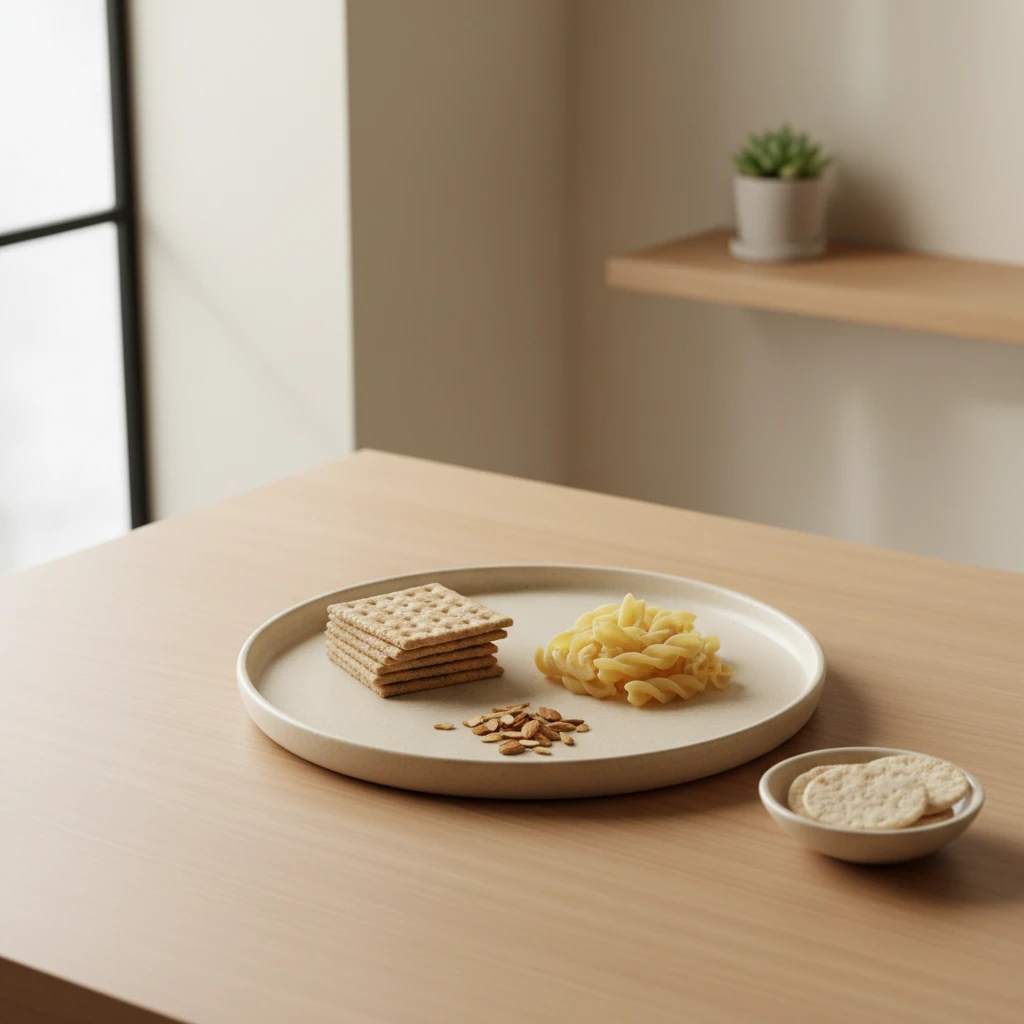
How to Expand Safe Foods ARFID Using Food Chaining
Food chaining is the gold standard intervention for ARFID. It is a low-pressure method that leverages the properties of current safe foods to introduce new items. The logic is simple: if you like X, you might tolerate Y because they share 90% of the same sensory DNA.
Step 1: Analyze the Current Repertoire
Before introducing anything new, map out the current safe foods. What do they have in common? Are they all crunchy? Are they all beige? Are they all at room temperature? In New Zealand, common safe foods might include specific items like plain Weet-Bix, hot chips, or white bread.
Step 2: Micro-Variations (The Lateral Move)
The first step in chaining is not changing the food, but changing a tiny aspect of the current food. This proves to the brain that “different” doesn’t equal “dangerous.”
- Brand Swapping: If the safe food is Wattie’s Tomato Sauce, try a generic brand decanted into the Wattie’s bottle, then eventually in its own bottle.
- Shape Changes: If the patient eats shoestring fries, move to crinkle-cut fries, then to potato wedges.
- Preparation Changes: If boiled chicken is safe, try pan-frying it to introduce a slightly different texture while keeping the flavor consistent.
Step 3: The Bridge (Linking to New Foods)
Once micro-variations are tolerated, use a “bridge”—usually a preferred condiment or dip—to mask the novelty of a new food. If tomato sauce is a safe food, it can be used to dip a chicken nugget (safe) and eventually a fish finger (new).
Step 4: Expansion Examples
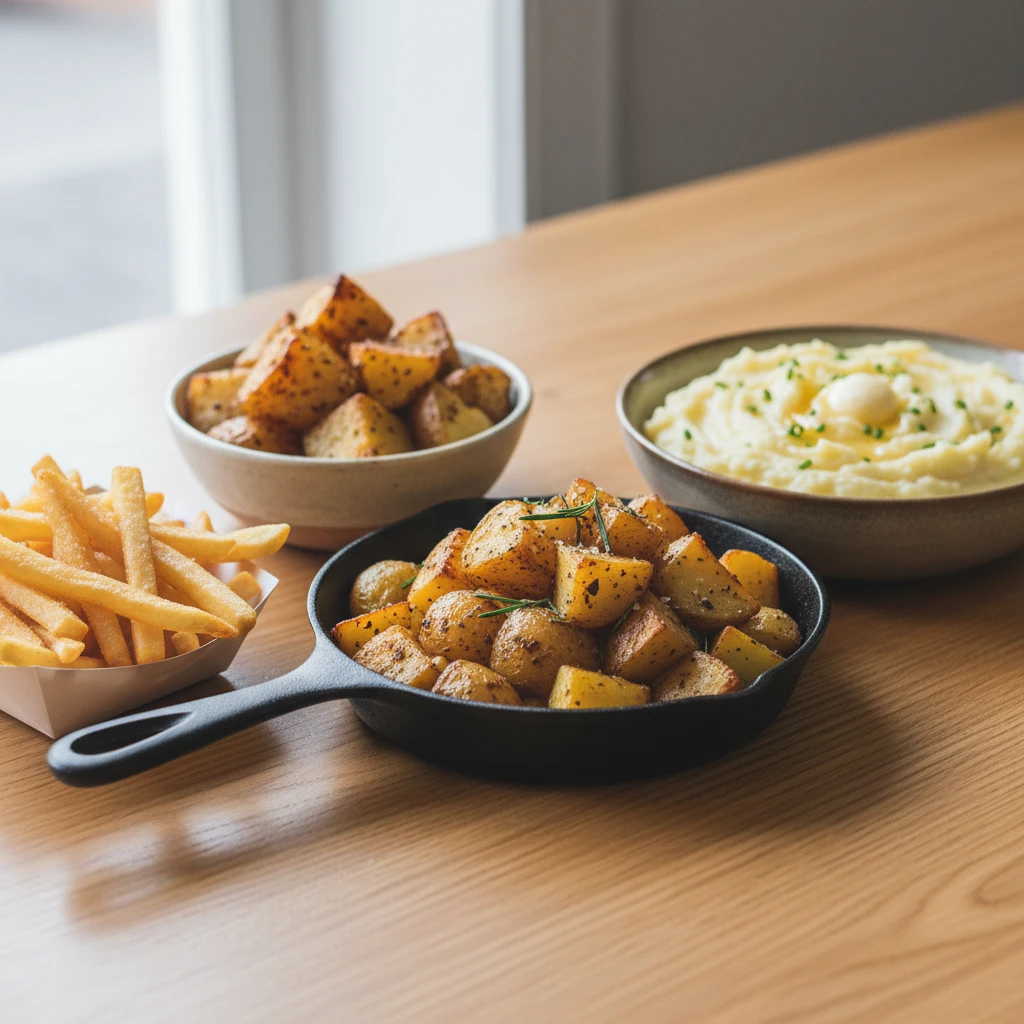
Here is a practical example of a food chain designed to move from French Fries to Mashed Kumara (Sweet Potato):
- Anchor: McDonald’s French Fries (Safe Food).
- Link 1: Oven-baked frozen chips (Texture shift, same flavor).
- Link 2: Homemade potato wedges with skin on (Visual shift, similar taste).
- Link 3: Roasted kumara chips (Flavor shift: sweeter, same texture).
- Link 4: Mashed potato (Texture shift: soft, savory).
- Goal: Mashed Kumara (Combines soft texture of mashed potato with sweet flavor of kumara chips).
Reducing Anxiety Around New Foods
Learning how to expand safe foods ARFID requires addressing the physiological anxiety that accompanies mealtime. If the sympathetic nervous system is activated (high stress), the digestive system shuts down, making eating physically difficult.
The “No Pressure” Plate
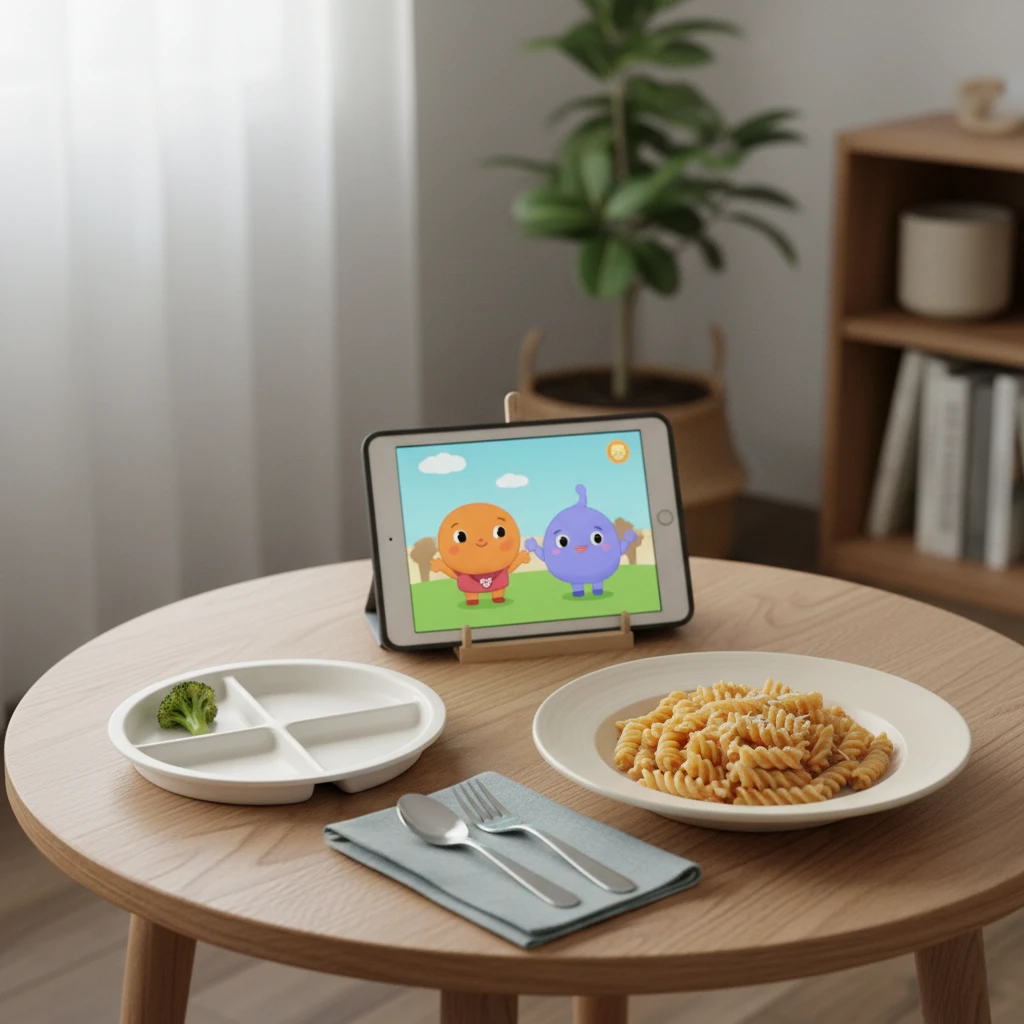
Introduce a “learning plate” or a side plate during meals. This is where new foods go. The rule is: You do not have to eat it. You can touch it, smell it, lick it, or even just look at it. By removing the demand to swallow, you lower the barrier to interaction. Exposure without pressure leads to familiarity, and familiarity breeds safety.
Sensory Regulation Before Meals
For neurodivergent individuals, the environment matters. If the lights are too bright, the chair is uncomfortable, or the room is noisy, the “sensory cup” is already full before food is introduced.
- Proprioception: Heavy work or deep pressure (like a weighted lap pad) before eating can calm the nervous system.
- Visuals: Reduce clutter on the table.
- Social: In some cases, eating alone or with a distraction (like a screen) is necessary during the initial stages of expansion to distract from the anxiety of eating. While traditional advice discourages screens, in ARFID recovery, they can be a useful tool to lower anxiety.
When to Push and When to Pause
Recovery is not linear. There will be days of regression, often triggered by illness, stress at school or work, or sensory burnout. Knowing when to gently push and when to pause is vital for long-term success.
The “Just Right” Challenge
Occupational therapists refer to the “Just Right Challenge”—an activity that is difficult enough to require effort but not so difficult that it causes a meltdown. In food terms:
- Too Easy: Only eating safe foods (No progress).
- Too Hard: Serving a full portion of a feared food (Trauma/Meltdown).
- Just Right: Placing a pea-sized amount of a new food on the learning plate while eating a safe meal.
Recognizing Burnout
If an individual is experiencing high anxiety in other areas of life (e.g., exam season or a change in job), it is acceptable to pause food expansion. Maintain the current repertoire rather than risking the loss of safe foods due to negative associations. “Fed is best” always applies. If pushing for variety compromises caloric intake to a dangerous degree, pause and prioritize energy.
Navigating Treatment in New Zealand
Treating ARFID often requires a multidisciplinary team including a dietitian, a psychologist, and an occupational therapist. In New Zealand, resources are growing but can vary by region.
Public vs. Private Care
The public health system (Te Whatu Ora) handles severe cases, particularly where there is significant weight loss or medical instability. However, waitlists can be long. Many families and adults turn to private practice dietitians who specialize in the “Non-Diet Approach” and neuro-affirming care.
Key Organizations
- EDANZ (Eating Disorders Association of NZ): Provides support and resources for families.
- New Zealand Eating Disorders Clinic: Offers specialized therapy.
When seeking a professional, ask specifically about their experience with ARFID, as it requires a different protocol than Anorexia or Bulimia. Standard exposure therapy without sensory integration can be harmful to neurodivergent patients.

Frequently Asked Questions
What are the 3 types of ARFID?
The three main subtypes of ARFID are: 1) Sensory Sensitivity (avoiding food based on texture, taste, or smell), 2) Lack of Interest (having no appetite or forgetting to eat), and 3) Fear of Aversive Consequences (fear of choking, vomiting, or pain after eating).
How do you fix ARFID in adults?
Treating ARFID in adults involves Cognitive Behavioral Therapy for ARFID (CBT-AR), exposure therapy, and working with a dietitian to ensure nutritional stability. Adults often have more autonomy to control their environment, which can be leveraged to create low-stress eating conditions.
Is ARFID a form of autism?
No, ARFID is an eating disorder, not a form of autism. However, there is a very high comorbidity rate. Many autistic individuals develop ARFID due to sensory processing differences and a need for sameness/routine.
What is the best therapy for ARFID?
The most evidence-based treatments are Family-Based Treatment (FBT) for children and Cognitive Behavioral Therapy for ARFID (CBT-AR) for older adolescents and adults. Occupational therapy is also crucial for addressing sensory sensitivities.
Can you recover from ARFID without therapy?
While mild cases may improve with self-guided food chaining and anxiety management strategies, professional support is highly recommended. ARFID can lead to serious nutritional deficiencies, and a professional can ensure physical safety during the expansion process.
How long does it take to cure ARFID?
Recovery timelines vary significantly. “Cure” is often re-framed as “management” and “flexibility.” Some individuals see progress in months, while for others, expanding the diet is a years-long process of gradual adaptation. Consistency is more important than speed.