A neurodivergent affirming dietitian in NZ is a specialized nutrition professional who adapts dietary therapy to accommodate the sensory, executive function, and interceptive needs of Autistic and ADHD individuals. Rather than enforcing neurotypical compliance, they focus on removing shame, expanding safe foods, and supporting eating disorder recovery through a trauma-informed, sensory-friendly lens.
For many individuals navigating the intersection of neurodivergence and disordered eating, traditional nutrition advice can feel not only unhelpful but actively harmful. In New Zealand, the shift towards neuro-affirming care is transforming how we treat conditions like ARFID (Avoidant/Restrictive Food Intake Disorder), Anorexia Nervosa, and general disordered eating patterns in the neurodivergent population. Finding the right support is critical for sustainable recovery.
What is Neuro-Affirming Care?
Neuro-affirming care is a clinical paradigm that views neurodivergence (such as Autism, ADHD, Dyspraxia, and Sensory Processing Disorder) not as a deficit to be fixed, but as a natural variation of human neurology to be supported. In the context of dietetics, this means rejecting the “one-size-fits-all” approach of the traditional food pyramid or rigid meal plans that do not account for sensory processing differences.
A neurodivergent affirming dietitian in NZ understands that a client’s struggle with food is rarely about “willpower” or “stubbornness.” Instead, they recognize that biological drivers—such as dopamine-seeking behaviors in ADHD or hypersensitivity to textures in Autism—play a massive role in how a person feeds themselves.
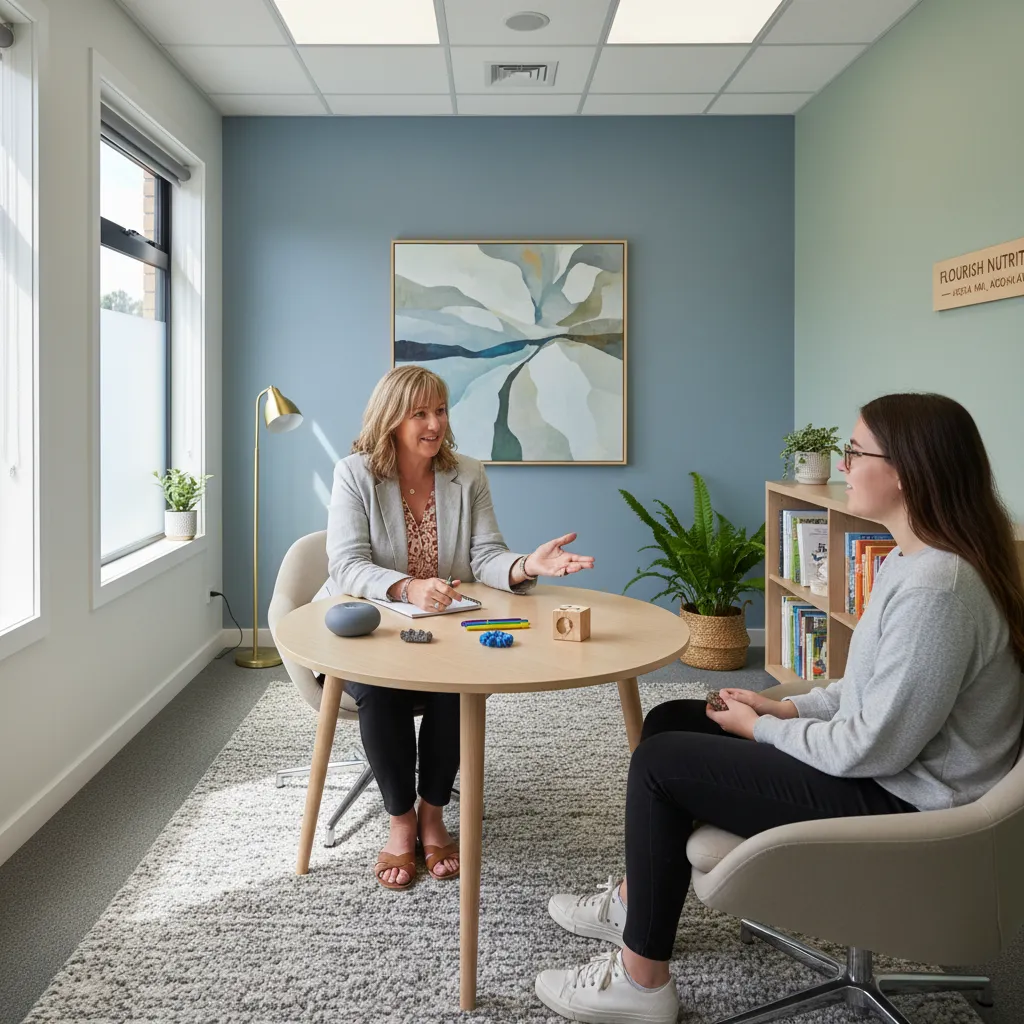
The Core Principles of Affirming Nutrition
Unlike standard weight-centric or compliance-based models, neuro-affirming practice rests on several pillars:
- Body Autonomy: Respecting the client’s “No” regarding certain textures or tastes without pressure.
- Sensory Accommodation: acknowledging that the sensory experience of food (crunch, temperature, slime) is as important as the nutrient profile.
- Executive Function Support: Creating strategies for meal prep that accommodate time blindness, paralysis, or burnout.
- Trauma-Informed Care: Recognizing that many neurodivergent people have experienced medical trauma from providers who forced them to eat “fear foods” or ignored their sensory pain.
Moving Away from Neurotypical Feeding Standards
The standard dietetic curriculum in New Zealand has historically focused on neurotypical norms: sitting at a table, eating three square meals, and enjoying a “balanced” variety of all food groups. For a neurodivergent individual, these standards can be barriers to adequate nutrition.
De-stigmatizing “Picky Eating” and “Safe Foods”
In neuro-affirming practice, terms like “picky eater” are often replaced with an understanding of sensory processing. Many autistic individuals rely on “safe foods” (or samefoods)—specific items that are predictable in taste and texture—to regulate their nervous system. A traditional dietitian might try to restrict these to force variety; an affirming dietitian uses them as a bridge to safety.
For example, if a client only eats a specific brand of chicken nuggets, an affirming provider will not shame this. They will ensure the client is eating enough of them to meet energy needs first, before gently exploring adjacent textures (food chaining) only when the client feels safe to do so.

Addressing Interoception Issues
Interoception is the sense that allows us to feel internal body signals, such as hunger and fullness. Many neurodivergent people struggle with poor interoception. They may not feel hungry until they are starving (leading to binges) or may not feel full until they are physically sick.
Standard “Intuitive Eating” advice often fails here because it relies on cues the client cannot feel. A neurodivergent affirming dietitian helps build external scaffolding—like timers, visual cues, or scheduled eating—to bypass faulty internal signals until those pathways can be strengthened.
The Intersection of Eating Disorders and Neurodivergence in NZ
The statistics are alarming: research suggests that up to 20-30% of individuals in eating disorder treatment are Autistic, and there is a significant overlap between ADHD and Binge Eating Disorder or Bulimia. In New Zealand, the recognition of ARFID (Avoidant/Restrictive Food Intake Disorder) has grown, yet public health resources are often stretched thin.
When a neurodivergent person enters a standard eating disorder recovery programme, they are often labeled “non-compliant” if they cannot finish a meal due to sensory overwhelm. This can lead to discharge from services or punitive measures.
Why Specialized Care Matters:
- ARFID vs. Anorexia: While they can co-occur, the drivers are different. ARFID is often sensory or fear-of-consequences based (choking/vomiting), whereas Anorexia includes body image distortion. Treating ARFID with body image therapy is ineffective.
- Dopamine Menu: For ADHDers, food is a source of dopamine. An affirming dietitian works with this need for stimulation rather than fighting it, helping clients find stimulation in ways that don’t lead to distress.
Finding Specialists in Auckland, Wellington, and Christchurch
While we cannot list private phone numbers due to the rapidly changing nature of private practice, we can guide you on where to find verified neurodivergent affirming dietitians in NZ. The landscape is shifting from generalist hospitals to specialized private clinics in major hubs like Auckland and Wellington.
Key Networks and Search Terms
When searching for a provider in New Zealand, utilize the following directories and look for specific keywords in provider bios:
- Dietitians NZ (The Board): Use their “Find a Dietitian” tool and filter for “Mental Health” or “Paediatrics,” then cross-reference their website for “neuro-affirming” language.
- EDANZ (Eating Disorders Association of NZ): They maintain a list of providers who have specific experience with eating disorders.
- Health at Every Size (HAES) NZ Directory: HAES providers are statistically more likely to be neuro-affirming as they already reject weight-normative care.

Auckland Region
In Auckland, look for clinics specializing in “Paediatric Feeding” or “Adult Eating Disorders” in suburbs like Remuera, Grey Lynn, and the North Shore. Private practices here often have multidisciplinary teams including occupational therapists who assist with the sensory aspect of eating.
Wellington & Christchurch
Wellington has a strong network of independent dietitians working in the mental health space. In Christchurch, look for specialists connected to the South Island Eating Disorders Service (SIEDS) who also run private clinics. Many providers now offer Zoom/Telehealth consultations nationwide, meaning you are not restricted to your immediate geography.
Questions to Ask a Potential Provider
Before committing to a session, which can be a significant financial investment, it is vital to vet your dietitian. A true neurodivergent affirming dietitian in NZ will be happy to answer these questions via email or a discovery call.
The Vetting Checklist
- “What is your experience with ARFID and sensory processing differences?”
Green Flag: They discuss textures, safety, and occupational therapy.
Red Flag: They simply mention “picky eating” and “hiding vegetables.” - “Do you use a weight-centric or weight-neutral approach?”
Green Flag: They focus on functional health, energy levels, and mental well-being. - “How do you handle executive dysfunction regarding meal prep?”
Green Flag: They suggest shortcuts, frozen meals, and pre-cut veggies.
Red Flag: They insist on cooking everything from scratch as the “healthiest” option. - “Are you willing to collaborate with my psychologist or occupational therapist?”
Green Flag: Enthusiastic yes. ED recovery requires a team.

Funding and Access in New Zealand
Accessing specialized dietetic care in NZ can be navigated through several funding streams:
Private Health Insurance
Most major NZ insurers (Southern Cross, NIB, etc.) cover Registered Dietitians under their “Specialist” or “Wellbeing” policies. Check your policy specifically for “Dietitian” vs. “Nutritionist” coverage, as most insurers require the provider to be NZ Registered (NZRD).
ACC (Accident Compensation Corporation)
While ACC typically covers accidents, if your eating disorder or feeding issue stems from a covered injury (e.g., a jaw injury or sexual violence resulting in a sensitive claim), you may be eligible for funded dietetic support. This is often processed under “Sensitive Claims.”
Public Health System
Referrals to public hospital dietitians usually require a GP referral. However, waitlists can be long, and public services may not always offer specific neuro-affirming methodologies due to resource constraints. If you have the means, private care often provides faster and more specialized access.
Frequently Asked Questions
What is the difference between a nutritionist and a dietitian in NZ?
In New Zealand, a Dietitian is a registered health professional regulated by the Dietitians Board, holding a clinical qualification and annual practicing certificate. They are qualified to treat clinical conditions like eating disorders. A Nutritionist is not a protected term in the same way, and while some are highly qualified, they may not have the clinical training required for complex neurodivergent eating disorders.
Can a dietitian diagnose ARFID in New Zealand?
Technically, a medical doctor, psychiatrist, or clinical psychologist provides the formal diagnosis of ARFID based on DSM-5 criteria. However, an experienced dietitian is often the first to identify the symptoms and will conduct the functional assessment required to support that diagnosis and treat the nutritional deficiencies.
Is neuro-affirming care only for children?
Absolutely not. While “picky eating” is often associated with children, many late-diagnosed Autistic and ADHD adults have struggled with food their entire lives. Neuro-affirming dietitians work extensively with adults to heal their relationship with food, remove shame, and find practical feeding strategies that fit an adult lifestyle.
How much does a private dietitian cost in NZ?
Prices vary by region and experience, but generally, an initial consultation with a specialist private dietitian in NZ ranges from $180 to $250 NZD. Follow-up appointments usually range from $90 to $150 NZD. Some providers offer package rates for long-term recovery work.
Can I see a dietitian online for sensory issues?
Yes, telehealth is highly effective for this. In fact, for many neurodivergent clients, meeting online is preferable as it allows them to stay in their safe environment, show the dietitian their actual kitchen/pantry, and avoid the sensory stress of traveling to a clinic.
What if I have both ADHD and Autism?
This is often called AuDHD. A neuro-affirming dietitian is skilled in managing the conflicting needs of AuDHD, such as the Autistic need for “samefoods” and routine clashing with the ADHD need for novelty and dopamine. They help find a balance that satisfies both neurotypes.