Eating disorders in midlife women are complex mental health conditions often triggered by the hormonal shifts of perimenopause, significant life transitions like empty nest syndrome, or the relapse of dormant adolescent struggles. These disorders—including anorexia, bulimia, and binge eating—require specialized treatment addressing both physiological aging and psychological resilience.
While often stereotyped as illnesses affecting teenagers, eating disorders (EDs) are increasingly prevalent among women in their 40s, 50s, and beyond. In New Zealand and globally, the intersection of aging, hormonal volatility, and societal pressure to maintain youthfulness has created a perfect storm for the development or resurgence of disordered eating behaviors. Understanding the unique biological and psychological drivers of midlife EDs is the first step toward effective intervention and recovery.
The Impact of Perimenopause on Body Image
Perimenopause is a profound biological transition that acts as a primary catalyst for eating disorders in midlife women. As estrogen levels begin to fluctuate and eventually decline, the female body undergoes significant changes in composition and shape. This physiological reality often clashes violently with the psychological desire to maintain control over one’s appearance.
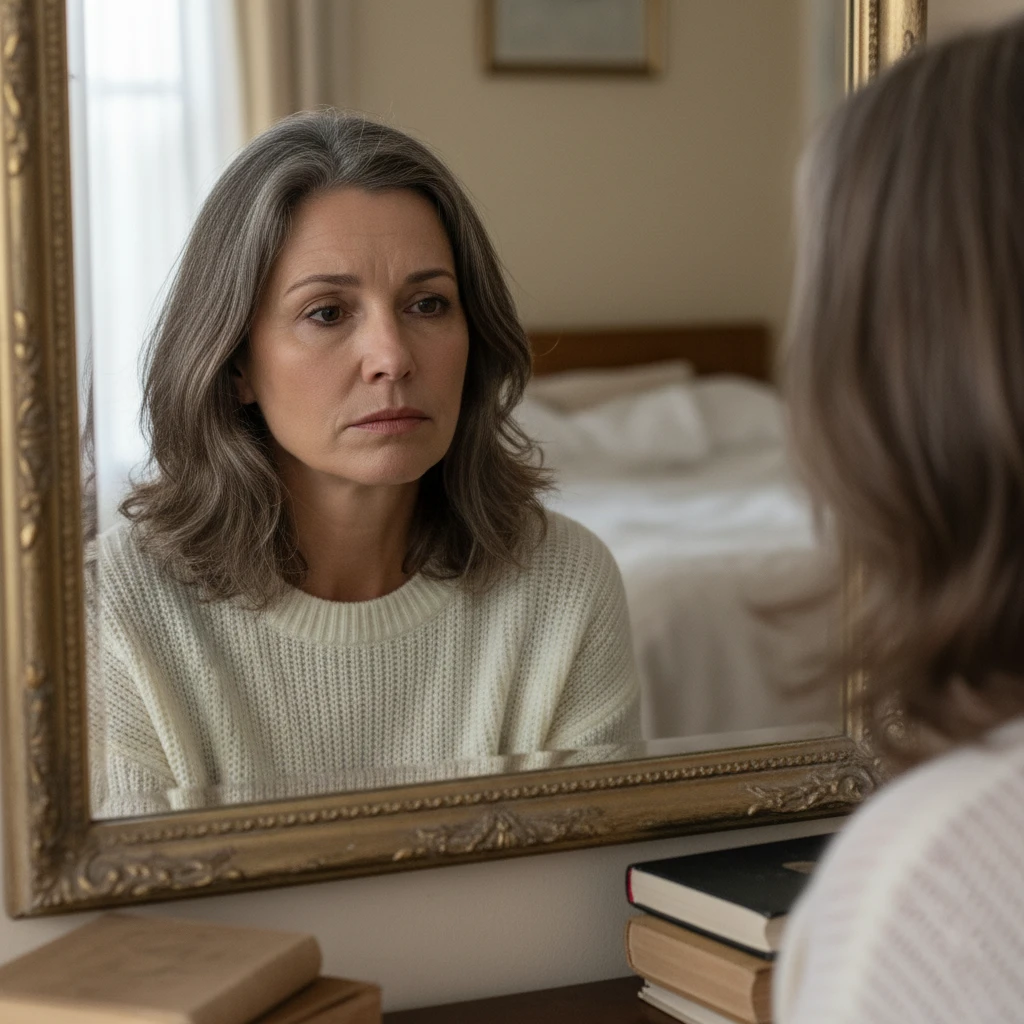
The Hormonal Connection to Weight Distribution
During perimenopause, the drop in estrogen leads to a redistribution of adipose tissue. Women who have maintained a steady weight for decades may suddenly find themselves gaining weight around the abdomen—often referred to as the “menopause belly.” This visceral fat serves a biological purpose, as fat cells produce a form of estrogen (estrone) that helps buffer the body against the drastic hormonal drop. However, in a culture that demonizes aging and weight gain, this natural protective mechanism is often viewed as a failure of discipline.
This shift can trigger intense body dysmorphia. For women who have historically tied their self-worth to a specific dress size or silhouette, the inability to “diet away” hormonal weight gain can lead to extreme restriction, purging, or excessive exercise. The unpredictable nature of menopausal bodies can make food intake one of the few variables a woman feels she can control.
The “Invisibility” of Aging
Beyond the biological changes, midlife women often report feeling increasingly “invisible” in society. As youth fades, the loss of external validation can trigger a grief response. An eating disorder may develop as a maladaptive attempt to reclaim visibility, regain a youthful physique, or conversely, to disappear completely if the pressure becomes too overwhelming.
Relapse of Teen EDs in Mid-Life
A significant portion of eating disorders in midlife women are not new onsets but rather relapses of conditions that were present in adolescence or early adulthood. The concept of “recovery” is often tested during midlife, as the coping mechanisms developed decades ago may resurface during times of high stress.
Why Do Eating Disorders Return in the 40s and 50s?
Many women manage to suppress disordered eating behaviors during their 20s and 30s due to the demands of career building and child-rearing. During these years, the focus is often external—caring for others. However, as women enter midlife, the “protective distraction” of raising young children fades, leaving space for old demons to return.
Furthermore, the neural pathways associated with anorexia or bulimia are never fully erased; they merely become dormant. Triggers specific to midlife can reactivate these pathways:
- Divorce or Relationship Breakdown: The end of a long-term marriage can shatter self-esteem, leading to weight loss as a means of “revenge” or self-protection.
- Career Pressure: Hitting the “glass ceiling” or facing ageism in the workplace can drive a need for perfectionism in other areas, such as diet.
- Aging Parents: The stress of becoming a caregiver to elderly parents adds a layer of emotional burden that some cope with through restriction or bingeing.

Empty Nest Syndrome and Restriction
The transition to an “empty nest” is a major psychological milestone that correlates strongly with the onset of eating disorders in midlife women. When children leave home, the daily structure of meal preparation and family dining often collapses. Without the obligation to model healthy eating for their children, women may feel permitted to skip meals or restrict intake.
Loss of Identity and Role
For decades, a woman’s primary identity may have been “mother.” When that role shifts from active daily parenting to distant mentorship, it can create a vacuum of purpose. An eating disorder can rush in to fill that void, providing a new “project” or focus. The obsession with calories, macros, or exercise steps replaces the daily schedules of school runs and extracurricular activities.
The Isolation Factor
Empty nest syndrome often brings increased isolation. If a partner is still working long hours or if the woman is single, she may be eating alone for the first time in years. Isolation is a breeding ground for secret behaviors, such as binge eating disorder (BED) or secret purging. The lack of accountability makes it easier for disordered habits to become entrenched before family members notice.
Common Types of Midlife Eating Disorders
While anorexia and bulimia are well-known, midlife women are susceptible to a spectrum of disordered eating presentations, some of which are masked as “health consciousness.”
Orthorexia Nervosa
In the pursuit of “healthy aging” or “anti-aging,” many women fall into the trap of Orthorexia—an unhealthy obsession with eating only “pure” or “clean” foods. What starts as an attempt to manage menopause symptoms through diet can spiral into rigid exclusion of entire food groups (dairy, gluten, sugar, carbs), leading to malnutrition and social isolation.
Binge Eating Disorder (BED)
BED is the most common eating disorder in midlife. It is often used as a mechanism to numb emotions related to grief, stress, or loneliness. Unlike bulimia, there is no compensatory purging, leading to weight gain that further fuels the cycle of shame and dieting.
Alcoholorexia
This term describes the restriction of food calories to “save” them for alcohol consumption. Midlife women, particularly those using wine to cope with stress or insomnia, may engage in this dangerous behavior, increasing the risk of liver damage and severe nutritional deficiencies.

Bone Health Concerns for Older Women
The physical consequences of eating disorders in midlife are far more immediate and irreversible than in adolescence, particularly regarding skeletal health. Estrogen is a key protector of bone density. When menopause naturally lowers estrogen, and malnutrition further suppresses it, the risk of osteoporosis skyrockets.
The “Double Hit” of Menopause and Malnutrition
Anorexia or chronic dieting in midlife creates a “double hit” on bone density:
- Natural Decline: Post-menopausal women naturally lose bone mass.
- Starvation Effect: Without adequate calcium and vitamin D intake, the body leaches minerals from the bones to maintain heart and muscle function.
This significantly increases the risk of fragility fractures. A fall that might result in a bruise for a healthy 50-year-old can result in a hip or vertebral fracture for a woman with a history of restriction. In the context of New Zealand’s healthcare system, addressing bone health via DEXA scans is a critical component of ED recovery for this demographic.
Cardiac Complications
Aging hearts are less resilient to the strain of starvation, electrolyte imbalances from purging, or the rapid weight fluctuations of yo-yo dieting. Arrhythmias and heart failure are genuine risks for midlife women with active eating disorders, often occurring at higher BMIs than in younger patients.
Treatment and Recovery in New Zealand
Recovering from an eating disorder in midlife presents unique challenges, primarily because most treatment programs are designed for adolescents. However, recovery is entirely possible with age-appropriate care.
Overcoming Barriers to Care
One of the biggest hurdles is shame. Many women feel they are “too old” to have an eating disorder, leading to years of silence. Additionally, medical professionals often praise weight loss in midlife women as a health positive, missing the red flags of an underlying disorder. In New Zealand, advocating for oneself or a loved one often involves pushing past this initial medical bias.
Holistic Treatment Approaches
Effective treatment for midlife women must be multifaceted:
- Psychotherapy: Cognitive Behavioral Therapy (CBT) and Acceptance and Commitment Therapy (ACT) are effective in addressing the perfectionism and control issues central to EDs.
- Hormone Replacement Therapy (HRT): In some cases, stabilizing menopausal symptoms with HRT can reduce the body dysmorphia triggered by hormonal fluctuations.
- Nutritional Rehabilitation: Working with dietitians who specialize in older adults to restore metabolic health and bone density.

In New Zealand, support is available through both public health avenues and private specialists. Organizations like EDANZ (Eating Disorders Association of New Zealand) provide resources specifically tailored for families and adults navigating this terrain. Recognizing that an eating disorder is a valid response to the complexities of midlife—not a vanity project—is the foundational step toward healing.
Frequently Asked Questions
Can you get an eating disorder in your 50s?
Yes, it is entirely possible to develop an eating disorder in your 50s. This can occur as a new onset triggered by life stressors like menopause, divorce, or empty nest syndrome, or it can be a relapse of a disorder from adolescence. Midlife is a high-risk period for eating disorders due to the combination of biological and environmental changes.
Does menopause cause binge eating?
Menopause does not directly cause binge eating, but the hormonal fluctuations, specifically the drop in estrogen and changes in ghrelin and leptin (hunger hormones), can increase cravings and appetite. Combined with the emotional stress of aging and sleep disturbances, these biological urges can lead to Binge Eating Disorder (BED) as a coping mechanism.
What are the signs of anorexia in older women?
Signs of anorexia in older women include rapid or unexplained weight loss, an obsession with “clean” eating or anti-aging diets, avoidance of social meals, hair thinning, dental issues, and increased sensitivity to cold. Socially, they may become withdrawn or hyper-focused on exercise despite injury or fatigue.
How does estrogen affect eating disorders?
Estrogen plays a key role in regulating serotonin, a neurotransmitter that influences mood and appetite. When estrogen levels drop during perimenopause, serotonin levels also fluctuate, which can lead to increased anxiety, depression, and reduced impulse control regarding food. This biochemical change can make women more susceptible to disordered eating behaviors.
Is it too late to recover from an eating disorder in midlife?
It is never too late to recover. While midlife women may have longer-standing habits to break, they also often possess greater cognitive resilience, motivation, and life experience than younger patients. With specialized treatment that addresses the specific needs of aging women, full recovery and a healthy relationship with food are achievable.
Where can I get help for midlife eating disorders in New Zealand?
In New Zealand, you can seek help through your General Practitioner (GP) for a referral to local District Health Board (DHB) services. Private psychologists and dietitians specializing in EDs are also available. Organizations like EDANZ offer support groups and resources for families and individuals seeking recovery pathways.