A private psychologist for eating disorders in Hamilton provides specialized, evidence-based treatment such as CBT-E and Family-Based Treatment outside the public health system. These registered professionals offer personalized care plans, often with shorter wait times than the Waikato DHB, supporting individuals and families through recovery from anorexia, bulimia, and binge eating disorders.
Finding the right support for an eating disorder is a critical first step toward recovery. For residents in the Waikato region, navigating the options between public health services and private practice can be overwhelming. This guide focuses on identifying qualified private psychologists in Hamilton, understanding the local treatment landscape, and accessing essential support networks.
What Can a Hamilton Private Psychologist for ED Offer?
When seeking treatment for eating disorders (ED) in Hamilton, private psychologists play a pivotal role in the recovery ecosystem. Unlike general counseling, specialized ED treatment requires specific clinical training in evidence-based modalities designed to address the complex psychological and physiological aspects of these conditions.

Specialized Treatment Modalities
Private psychologists in the Waikato region who specialize in eating disorders typically utilize gold-standard therapies recognized by international health bodies. The most common interventions include:
- Cognitive Behavioral Therapy for Eating Disorders (CBT-E): This is the leading evidence-based treatment for adults. It addresses the over-evaluation of shape and weight, dietary rules, and mood intolerance.
- Family-Based Treatment (FBT): Often referred to as the Maudsley approach, this is the first-line treatment for adolescents. It empowers parents to take charge of weight restoration.
- Acceptance and Commitment Therapy (ACT): Useful for addressing the rigidity and control issues often associated with anorexia nervosa.
Benefits of Going Private
While public services are invaluable, opting for a private psychologist in Hamilton often provides distinct advantages:
- Reduced Wait Times: Public lists can be long. Private practitioners can often see clients within weeks rather than months.
- Consistency of Care: You choose your therapist, ensuring a long-term therapeutic alliance, which is a strong predictor of recovery success.
- Flexibility: Private practices often offer appointment times that fit around work or school schedules, and some offer Saturday clinics.
How Does the Waikato DHB Eating Disorder Service Work?
The Waikato District Health Board (DHB) operates a specialized Eating Disorder Service (EDS) based in Hamilton. This service provides assessment and treatment for individuals with moderate to severe eating disorders. It is a multidisciplinary service, meaning care is delivered by a team including psychiatrists, psychologists, dietitians, and nurses.

Referral Criteria and Process
To access the Waikato DHB service, a referral is usually required from a General Practitioner (GP). The service typically prioritizes cases based on physical risk (e.g., rapid weight loss, electrolyte imbalance) and psychiatric severity.
For those whose condition is deemed “mild to moderate,” or who do not meet the strict threshold for public funding, the DHB may recommend seeking a Hamilton private psychologist for ED. Understanding this threshold is crucial; if a referral is declined, it is not a dismissal of the problem but an indication that private or primary care support is the appropriate pathway.
How to Choose the Right ED Specialist in Hamilton?
Selecting a psychologist is a personal decision, but for eating disorders, qualifications are non-negotiable. The stakes are high, and generalist therapy can sometimes be ineffective or counterproductive for active eating disorders.
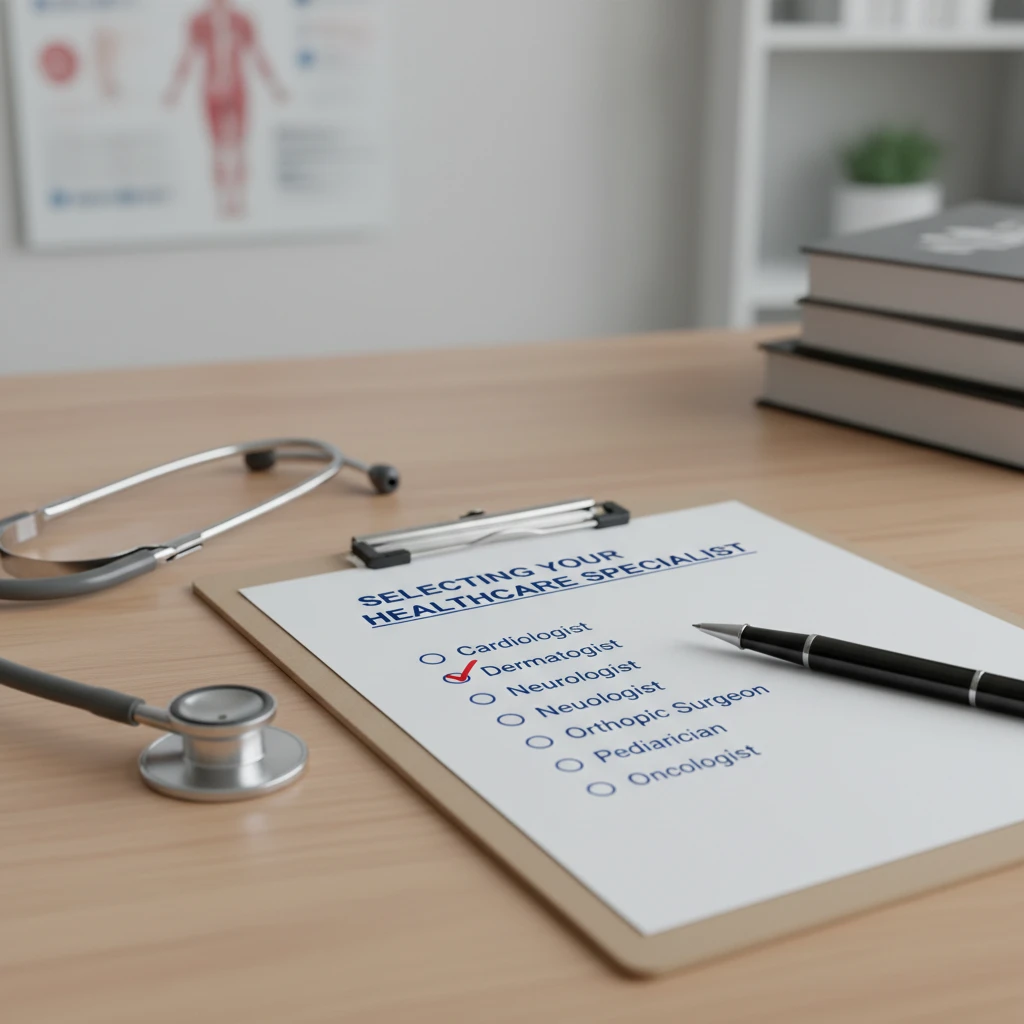
Checklist for Selection
When researching private psychologists in Hamilton, ensure they meet the following criteria:
- Registration: They must be registered with the New Zealand Psychologists Board.
- Specific Training: Look for explicit mention of training in CBT-E, FBT, or SSCM (Specialist Supportive Clinical Management).
- ANZAED Membership: Membership in the Australia & New Zealand Academy for Eating Disorders indicates a commitment to keeping up with current research.
- Multidisciplinary Connections: A good psychologist will require you to also see a GP for medical monitoring and potentially a dietitian. Ask them who they collaborate with in the Waikato region.
What Support is Available for Families in the Waikato?
Eating disorders do not happen in a vacuum; they impact the entire family unit. Recovery, particularly for adolescents, relies heavily on family support. In Hamilton and the wider Waikato region, support extends beyond the clinical therapy hour.
EDANZ and Local Groups
The organization Eating Disorders Association of New Zealand (EDANZ) provides essential resources for parents and caregivers. While they operate nationally, they facilitate connections for families in Hamilton. Support groups allow caregivers to share experiences, reducing the isolation that often accompanies an ED diagnosis.
Carer Fatigue
Private psychologists often offer sessions specifically for parents to help them manage the burden of care. This is distinct from family therapy; it is support for the supporters. Learning how to meal support, manage distress tolerance at the dinner table, and avoid burnout is a service many Hamilton specialists provide.
Are There Rural Support Options Outside Hamilton?
The Waikato region is geographically vast, covering rural areas like Tokoroa, Te Kuiti, and Matamata. Accessing a Hamilton private psychologist for ED can be logistically difficult for those living in these outlying areas.

Telehealth and Outreach
Since the COVID-19 pandemic, the availability of high-quality telehealth services has exploded. Most private psychologists in Hamilton now offer secure video conferencing for therapy sessions. Research suggests that for modalities like CBT-E, telehealth can be just as effective as in-person treatment.
This is a game-changer for rural Waikato residents. It removes the barrier of a 2-hour round trip for a 50-minute session, making consistent treatment viable. When inquiring with a specialist, explicitly ask about their telehealth protocols and how they handle medical monitoring remotely (usually via your local rural GP).
Frequently Asked Questions
Do I need a referral to see a private psychologist for ED in Hamilton?
Generally, you do not need a GP referral to see a private psychologist in New Zealand. You can self-refer by contacting the clinic directly. However, some insurance policies may require a GP referral to claim back costs, so it is wise to check your policy wording.
What is the cost of a private psychologist in Hamilton?
Private psychology sessions in Hamilton typically range from $180 to $250 NZD per hour. Some senior clinical psychologists or specialists may charge more. It is important to ask about fees upfront and check if you are eligible for any subsidies, such as the Disability Allowance (if criteria are met) or private health insurance rebates.
Can I use private health insurance for eating disorder treatment?
Yes, many New Zealand health insurers (like Southern Cross, NIB, etc.) offer coverage for psychological consultations under specific plans. However, coverage for pre-existing conditions or specific psychiatric exclusions may apply. Always verify your “Psychiatric Consultation” or “Mental Health” benefit limits before starting treatment.
What is the difference between a psychologist and a psychotherapist?
In New Zealand, both are registered professions. Clinical Psychologists typically have training focused on the assessment and treatment of mental illness using scientific models like CBT. Psychotherapists may focus more on deep-seated emotional patterns and relational dynamics. For eating disorders, clinical psychologists are often sought for CBT-E and FBT, but many psychotherapists are also highly skilled in ED recovery.
How long does eating disorder recovery take?
Recovery timelines vary significantly. A standard course of CBT-E consists of 20 to 40 sessions over 20 to 40 weeks. However, full recovery can take years. Early intervention is the best predictor of a shorter recovery time. Consistency in attending appointments with your Hamilton specialist is key.
Is there emergency help for eating disorders in Waikato?
If there is an immediate risk to life (medical instability, suicide risk), you should visit the Waikato Hospital Emergency Department or call 111. For urgent mental health support, the Waikato Crisis Assessment and Treatment Team (CATT) can be contacted via the mental health crisis line.