Meal planning for ADHD adults involves simplifying the culinary process to bypass executive dysfunction barriers. It focuses on reducing decision fatigue, utilizing “low-spoon” preparation methods, and establishing visual cues to ensure consistent nourishment without the overwhelming cognitive load often associated with traditional cooking and grocery shopping.
Why Cooking is Hard with Executive Dysfunction
For neurotypical individuals, preparing a meal might seem like a singular task: “Make dinner.” However, for adults with Attention Deficit Hyperactivity Disorder (ADHD), this single command is actually a complex chain of executive functions that can break down at any link. Understanding why this happens is the first step toward effective meal planning for ADHD adults.
Executive dysfunction disrupts the cognitive processes required to plan, organize, and execute tasks. When applied to nutrition, the brain must successfully navigate the following sequence:
- Interoception: Recognizing the physical sensation of hunger before it becomes an emergency.
- Task Initiation: Breaking the inertia to stop the current activity and move toward the kitchen.
- Working Memory: Remembering what ingredients are in the fridge, what has expired, and how to combine them.
- Sequencing: Understanding the order of operations (e.g., boiling water before adding pasta) to ensure components are ready simultaneously.
- Sustained Attention: Remaining focused on the cooking process without wandering off while the stove is on.
When any of these functions falter, the result is often overwhelmed paralysis. The kitchen becomes a source of anxiety rather than nourishment. In the context of eating disorder recovery, this chaos can be particularly dangerous, as inconsistent eating patterns can trigger restrictive behaviours or bingeing cycles due to extreme hunger.
The “Out of Sight, Out of Mind” Phenomenon
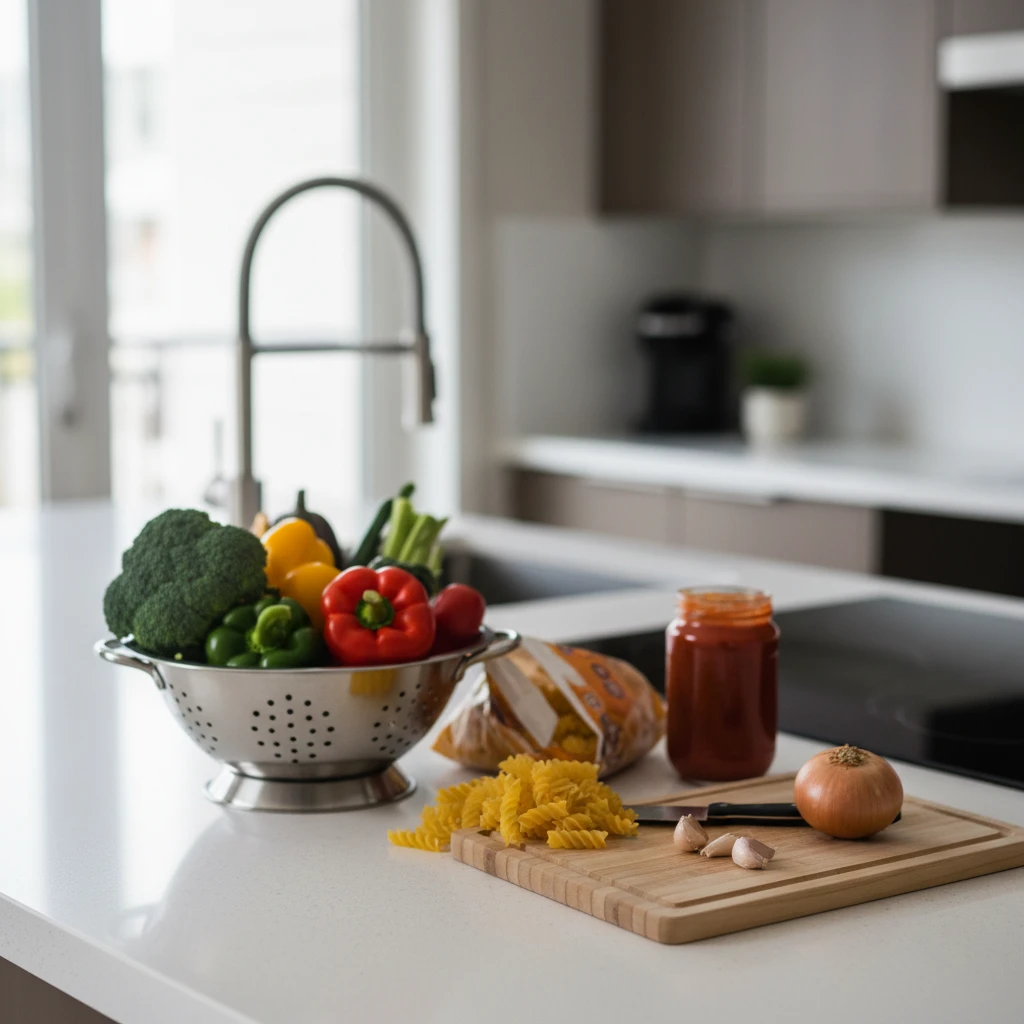
A significant barrier in meal planning for ADHD adults is object permanence issues. If produce is stored in opaque drawers, it effectively ceases to exist until it has spoiled. This leads to the “ADHD tax”—the financial cost of throwing away unused food. This cycle creates shame and reluctance to buy fresh ingredients in the future, pushing individuals toward shelf-stable, highly processed foods that require less cognitive management but may not support recovery goals effectively.
Decision Fatigue and the Takeaway Trap
By the end of a workday, many adults with ADHD suffer from severe decision fatigue. The prefrontal cortex, responsible for decision-making, is depleted. Being asked, “What’s for dinner?” can feel physically painful. This is where the cycle of ordering takeaways begins.
The Dopamine Mechanism
ADHD brains are chemically wired to seek dopamine. Ordering food provides an immediate reward: high-palatability food with zero preparation effort. However, relying on ordering out presents several issues:
- Financial Strain: In New Zealand, the cost of frequent takeaways is significant, adding financial stress which further impacts executive function.
- Recovery Barriers: For those in eating disorder recovery, restaurant portions and unknown ingredients can cause anxiety. Conversely, the delay in delivery can lead to extreme hunger, triggering loss of control upon arrival.
- The Shame Spiral: Post-meal, individuals often feel guilt about not cooking, reinforcing the narrative that they are “failing” at adulthood.
To combat this, we must separate the decision of what to eat from the act of cooking. Decisions should be made when executive function is high (usually earlier in the day or week), not at 6:00 PM when reserves are low.

Core Strategies for Meal Planning with ADHD
Effective meal planning for ADHD adults does not look like the colour-coded, Tupperware-stacked images seen on social media. It requires a flexible, forgiveness-based approach that accommodates fluctuating energy levels.
Strategy 1: The “Component” Approach
Abandon the idea of “recipes.” Recipes require following instructions and measuring, which taxes working memory. Instead, think in components. A balanced meal generally needs:
- A Protein: Rotisserie chicken, tinned tuna, tofu, eggs, beans.
- A Carb: Pre-cooked rice pouches, pasta, bread, crackers, wraps.
- A Colour (Fibre): Bagged salad, cucumber slices, frozen peas, an apple.
- A Fat/Flavour: Dressing, mayo, hummus, cheese, avocado.
The Strategy: Keep 3 options for each category stocked. When hungry, grab one from each list. No recipe required.
Strategy 2: Theme Nights
Eliminate the “what should we eat?” question by assigning themes to days. This limits the choices, making the decision manageable.
- Monday: Pasta night (change the sauce/shape).
- Tuesday: Tacos/Wraps (change the filling).
- Wednesday: Breakfast for Dinner.
- Thursday: “Girl Dinner” (Grazing platter/Snack plate).
- Friday: Pizza (homemade or bought).
Strategy 3: Buy Pre-Prepped
There is no moral superiority in chopping your own onions. If the barrier to cooking is preparation, remove it. Buy pre-chopped vegetables, jarred garlic, bottled sauces, and minute rice. In the context of EDTR NZ (Eating Disorder Treatment & Recovery), the goal is eating, not performing the role of a chef. If pre-cut veggies ensure you eat a meal, they are worth the extra cost.
Low-Spoon Meal Ideas and Strategies
“Spoon Theory” refers to the limited amount of energy (spoons) a person with chronic illness or neurodivergence has each day. On “low-spoon” days, cooking is impossible. You need a list of “Emergency Meals” that require zero to five minutes of effort and almost no cleanup.
The “No-Cook” List
Keep these items on hand for days when executive dysfunction is high:
- The Charcuterie Board: Crackers, cheese slices, deli meat, nuts, and grapes. Eat it directly off the cutting board to minimize dishes.
- Loaded Toast: Vogel’s or sourdough topped with peanut butter and banana, or avocado and tinned salmon.
- Bagged Salad Upgrade: A pre-mixed salad bag topped with a tin of flavoured tuna or pre-cooked chicken strips.
- Adult Lunchables: Hard-boiled eggs (buy them pre-boiled if necessary), cherry tomatoes, and cheese sticks.
- The “Dump” Soup: Tinned soup heated up with added frozen veggies and a side of bread.
Pro Tip: Keep a physical list of these meals taped to the inside of your pantry door. When your brain freezes, read the list.
Using Visual Aids and Reminders for Eating
Because ADHD brains struggle with time blindness and interoception (feeling hunger cues), reliance on internal motivation often fails. Externalizing these cues is essential for consistent nutrition.
Clear Over Beautiful
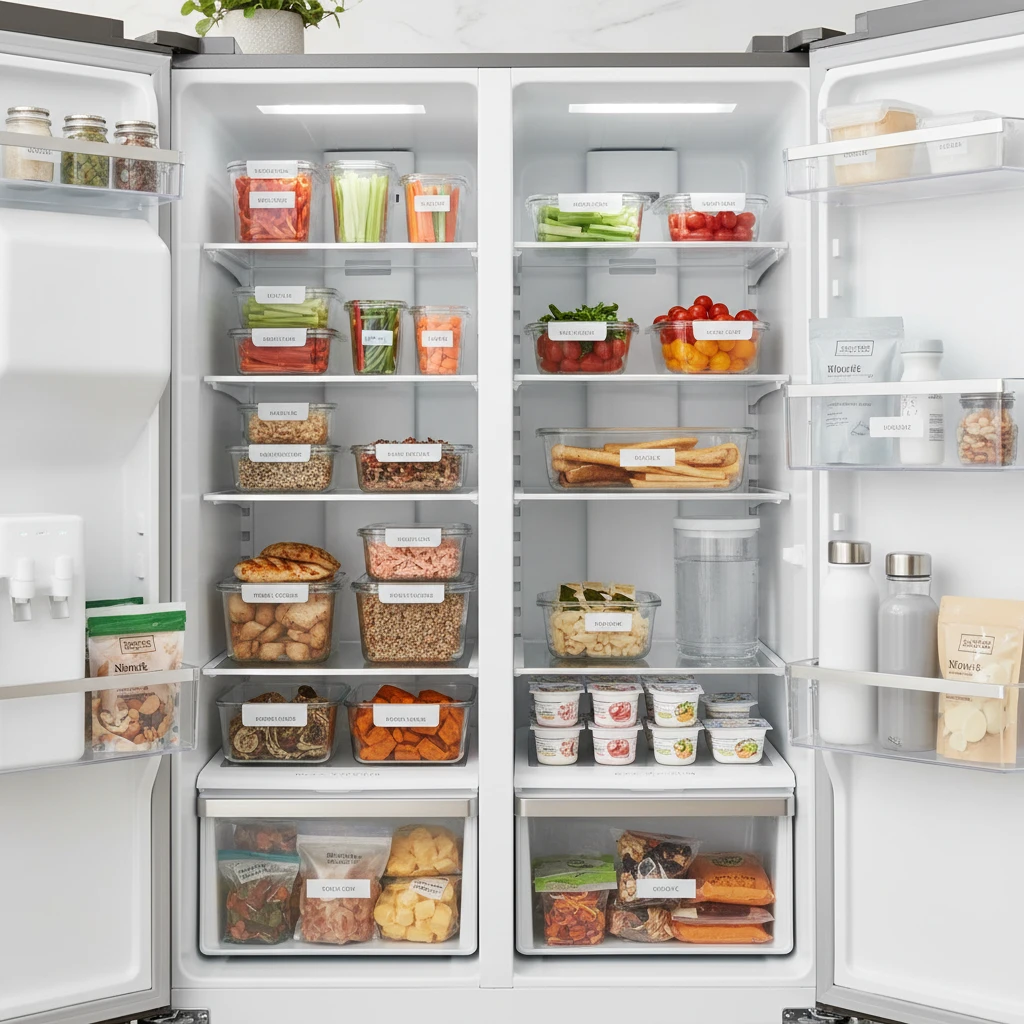
Avoid opaque storage containers. If you have leftovers, store them in clear glass or plastic so you can see exactly what is inside. Place fresh produce on the middle shelf at eye level, and move condiments (which don’t spoil quickly) to the crisper drawers. This reverses the standard fridge layout but reduces food waste significantly.
Alarms and Analog Systems
Do not rely on your memory to eat lunch.
- Set Alarms: Program recurring alarms on your phone for snacks and meals. Label them with specific instructions, e.g., “Eat the leftover pasta” rather than just “Lunch.”
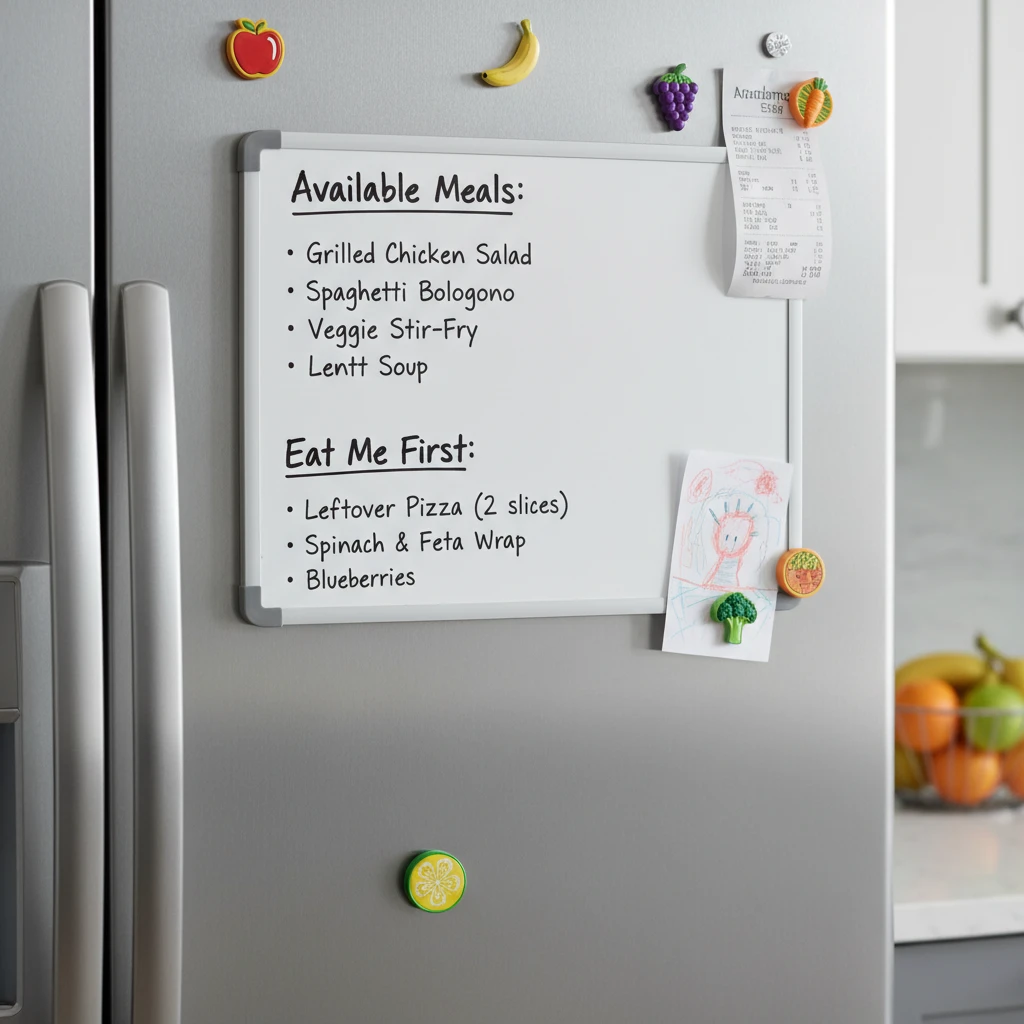
- The Kitchen Whiteboard: Use a magnetic whiteboard on the fridge. Write down what meals are available to eat right now. Cross them off as they are consumed. This acts as a menu for your own kitchen, reducing the cognitive load of opening the fridge and scanning ingredients.
The Intersection of ADHD and Eating Disorder Recovery
For clients in New Zealand seeking Eating Disorder Treatment & Recovery, undiagnosed or unmanaged ADHD can be a massive block to progress. The chaos of executive dysfunction can mimic or exacerbate eating disorder behaviours.
For example, forgetting to eat all day due to hyperfocus can lead to evening bingeing, which might be misdiagnosed as Binge Eating Disorder (BED) when it is actually a physiological response to caloric deficit driven by attention deficits. Conversely, the need for control over food can be a coping mechanism for the lack of control felt in other areas of life.
Implementing structured, simplified meal planning is not just a lifestyle hack; it is a clinical intervention. Regular nourishment supports brain function, which in turn improves executive function, creating a positive feedback loop. Prioritizing consistency over culinary excellence is the key to recovery.
People Also Ask
How do you meal plan with severe ADHD?
Meal planning with severe ADHD requires minimizing steps. Focus on “assembly” rather than cooking. Use theme nights (e.g., Pizza Friday) to reduce decision fatigue, buy pre-chopped ingredients to reduce friction, and keep a visual list of “safe meals” on the fridge. Rely on frozen and shelf-stable foods that don’t spoil if you forget them.
Why is eating so difficult for adults with ADHD?
Eating is difficult because it involves multiple executive functions: recognizing hunger (interoception), planning what to eat, shopping, preparing, and cleaning up. A breakdown in any of these steps, combined with low dopamine levels that make boring tasks painful, can lead to paralysis, skipping meals, or impulsive eating.
What is a dopamine menu for meals?
A dopamine menu is a list of activities or foods that provide stimulation. In the context of meals, it involves listing foods that are exciting and satisfying to eat, categorized by effort level (e.g., “Starters” for quick snacks, “Main Courses” for when you have energy). This helps you choose food based on your current mental capacity.
How can I stop ordering takeout with ADHD?
To reduce takeout reliance, lower the barrier to home cooking. Keep “emergency meals” (frozen pizza, instant noodles with eggs) that are faster to make than waiting for delivery. Pre-decide your meals earlier in the day when your brain is fresh, and delete delivery apps to add friction to the ordering process.
Does executive dysfunction affect hunger cues?
Yes, executive dysfunction often co-occurs with poor interoception, the sense of the internal state of the body. Adults with ADHD may not notice gradual hunger cues, only realizing they need to eat when they are starving, “hangry,” or physically shaking, which leads to urgent, impulsive food choices.
What are the best low-effort meals for ADHD?
The best low-effort meals require no cooking. Examples include “girl dinner” (cheese, crackers, fruit, nuts), bagged salads with pre-cooked chicken strips, toast with peanut butter and banana, yogurt with granola, or wraps with hummus and deli meat. The goal is to combine a protein, carb, and fat with zero prep time.