Uncategorised

Child experiencing sensory overwhelm from mixed food textures
Uncategorised

Sensory Processing Disorder (SPD)

What is the connection between Sensory Processing Disorder and food textures? Sensory processing disorder food textures issues arise when the brain misinterprets tactile signals from the mouth, causing extreme aversion to specific consistencies like slime, crunch, or mixed lumps. This hypersensitivity, often called oral defensiveness, triggers a gag reflex or fight-or-flight response, leading to restrictive […]


First-person view of kitchen ingredients highlighting the difficulty of starting to cook with ADHD
Uncategorised

Executive Dysfunction & Meals

Meal planning for ADHD adults involves simplifying the culinary process to bypass executive dysfunction barriers. It focuses on reducing decision fatigue, utilizing “low-spoon” preparation methods, and establishing visual cues to ensure consistent nourishment without the overwhelming cognitive load often associated with traditional cooking and grocery shopping. Table of Contents Why Cooking is Hard with Executive

Person experiencing diabetes distress symptoms while checking blood sugar levels
Uncategorised

Diabetes Distress

Diabetes distress is an emotional state where people feel overwhelmed, defeated, and frustrated by the relentless daily demands of managing diabetes. Unlike clinical depression, it is directly linked to the burden of diabetes care, manifesting as burnout, anxiety about complications, and a desire to stop monitoring blood glucose levels. Living with diabetes in New Zealand

Visualizing the anxiety behind OCD and eating disorders relationship
Uncategorised

OCD & Ritualistic Eating

The relationship between OCD and eating disorders is characterized by a high rate of comorbidity where intrusive thoughts drive compulsive, ritualistic eating behaviors. Unlike body dysmorphia-driven disorders, OCD-related eating issues often stem from fears of contamination, a need for symmetry, or emetophobia, requiring specialized treatment like Exposure and Response Prevention (ERP) to address the underlying

Neurodivergent affirming dietitian consultation setting
Uncategorised

Neurodivergent-Affirming Dietitians

A neurodivergent affirming dietitian in NZ is a specialized nutrition professional who adapts dietary therapy to accommodate the sensory, executive function, and interceptive needs of Autistic and ADHD individuals. Rather than enforcing neurotypical compliance, they focus on removing shame, expanding safe foods, and supporting eating disorder recovery through a trauma-informed, sensory-friendly lens. For many individuals

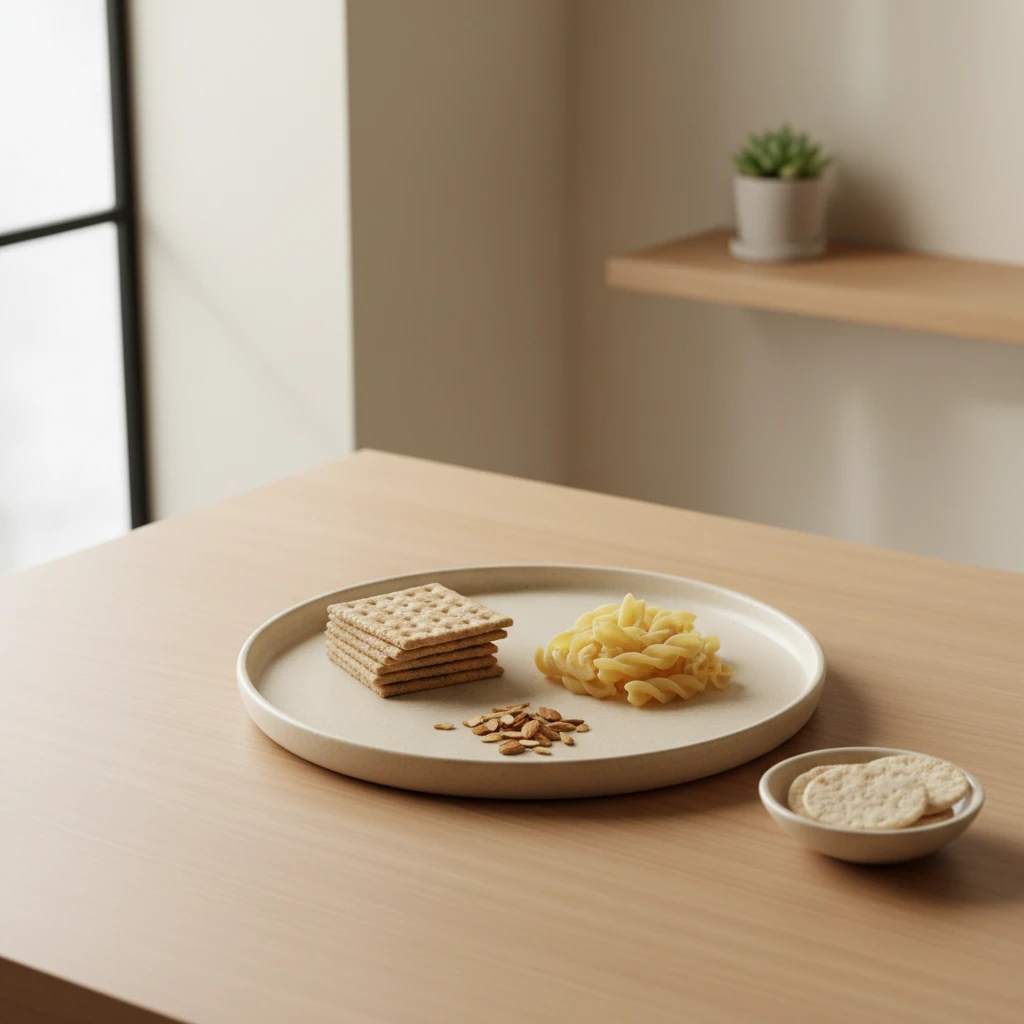
Safe foods arranged neatly on a plate
Uncategorised

Safe Foods & Variety

To expand safe foods in ARFID recovery, utilize a technique known as “food chaining.” This involves introducing micro-variations to existing safe foods based on sensory similarities—such as texture, temperature, or color—rather than forcing entirely new meals. This gradual exposure reduces the nervous system’s threat response, allowing for sustainable dietary expansion. For individuals living with Avoidant/Restrictive

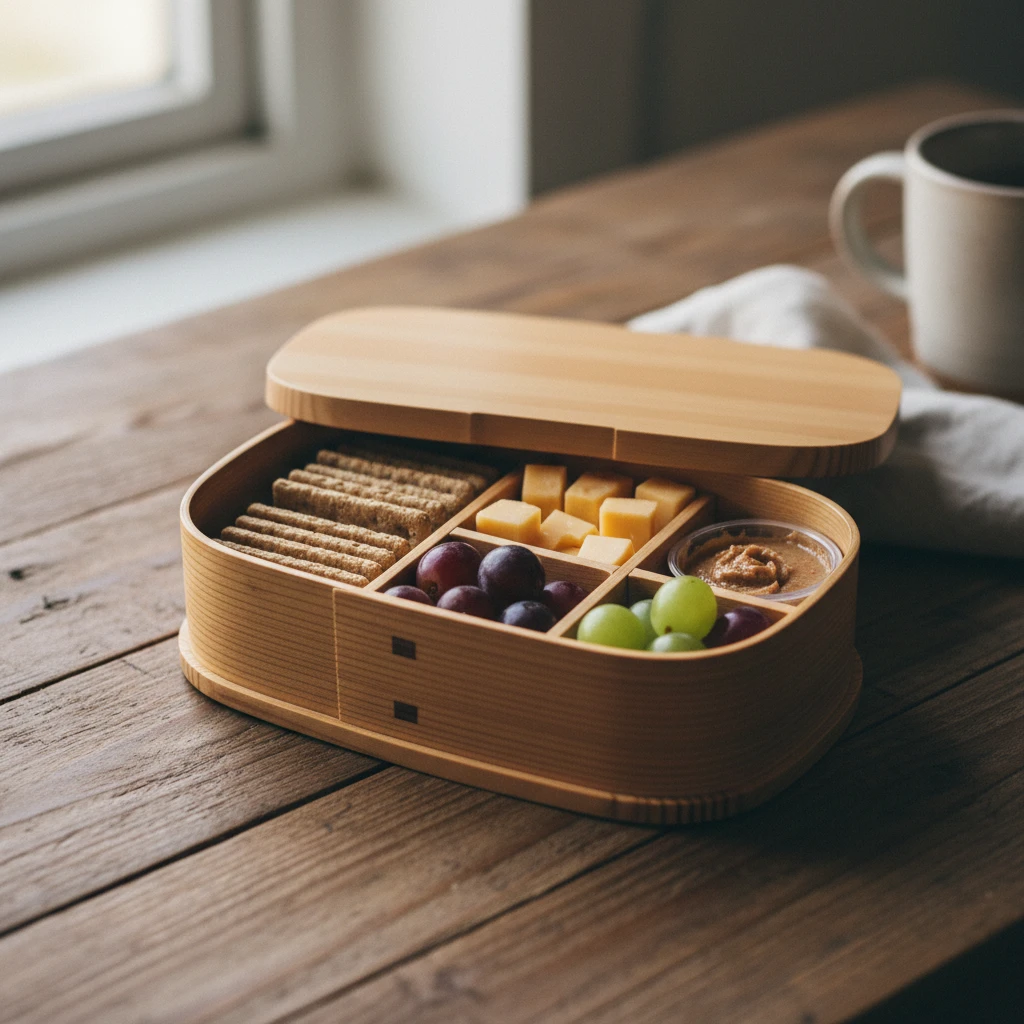
Bento lunchbox with separated ingredients for sensory issues
Uncategorised

School Lunchbox Strategies

Lunchbox ideas for sensory issues rely on predictable textures, separating ingredients to prevent cross-contamination, and prioritizing “safe foods” over nutritional variety during school hours to reduce anxiety. Effective strategies include using bento-style boxes to keep items distinct, maintaining specific temperatures with high-quality thermoses, and involving the child in low-pressure food selection to ensure autonomy. Table

Safe and private consultation room for sensitive claims assessment
Uncategorised

ACC Sensitive Claims

ACC Sensitive Claims provide funding for eating disorder treatment in New Zealand if the condition is diagnosed as a mental injury caused by sexual abuse or assault. Cover includes fully funded therapy sessions, potential dietitian support, and financial assistance, provided a causal link is established between the trauma and the eating disorder. Navigating the intersection

Private eating disorder clinic consultation room in Auckland
Uncategorised

Public vs Private Costs

The cost of private ED clinics in Auckland typically ranges from $220 to $350 per session for specialized psychologists and $160 to $250 per session for specialist dietitians. Comprehensive initial intake assessments often cost between $500 and $900, while intensive outpatient or day programs can range from $2,500 to $5,000 per week depending on the

Doctor discussing Southern Cross insurance policy with patient
Uncategorised

Health Insurance Coverage

Southern Cross Health Insurance typically categorizes eating disorder treatment under psychiatric care or specialist consultations rather than as a standalone benefit. Coverage is highly dependent on your specific plan (e.g., Wellbeing or UltraCare), usually involving annual caps for psychiatrist and dietitian visits. Crucially, pre-existing condition exclusions often apply for the first three years of membership

Scroll to Top