Author name: admin

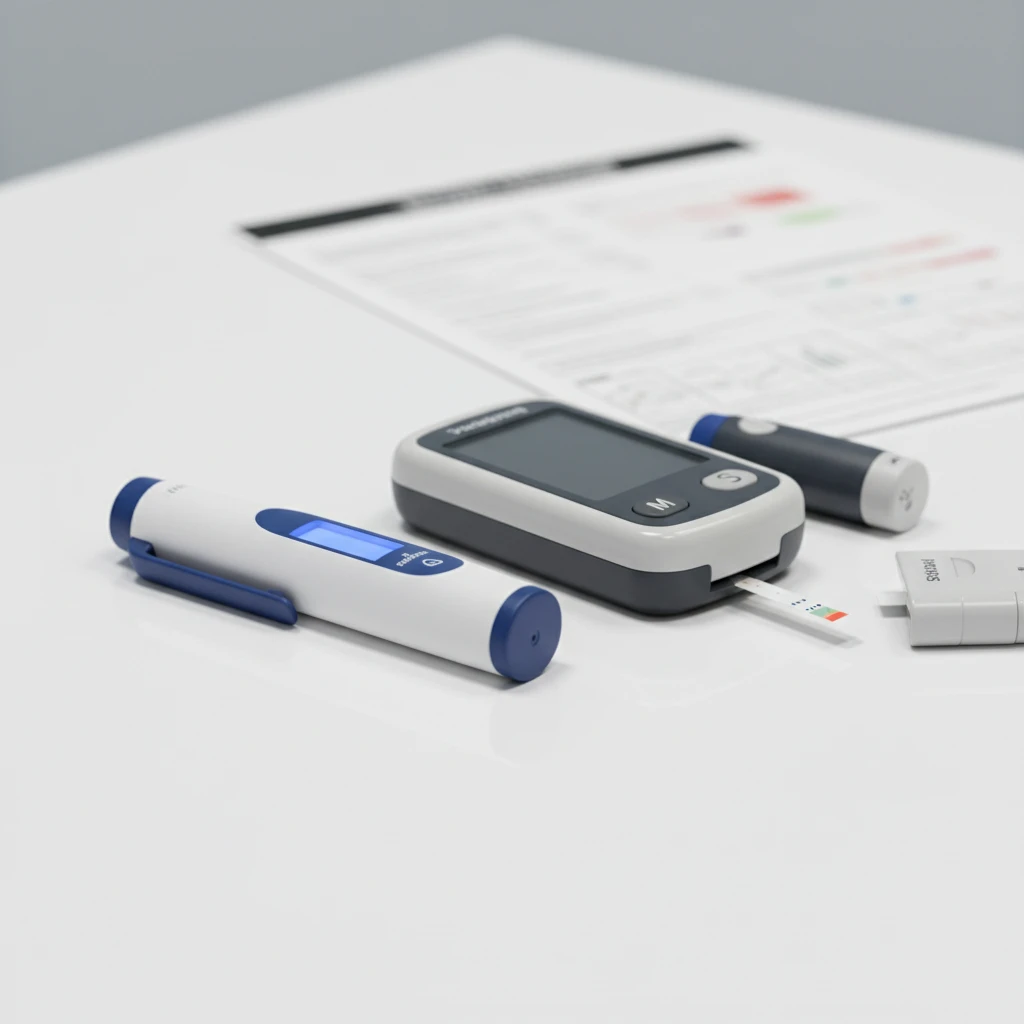
Insulin pen and glucose meter for Type 1 Diabetes management
Uncategorised

Diabulimia (T1D + ED)

Diabulimia, medically referred to as ED-DMT1, is a serious eating disorder where individuals with Type 1 Diabetes deliberately reduce or omit necessary insulin doses to induce weight loss. This manipulation forces the body into a starvation state, breaking down fat for fuel and resulting in life-threatening hyperglycemia, Diabetic Ketoacidosis (DKA), and accelerated organ damage. Type […]

Medical diagnostic criteria manual for eating disorders
Uncategorised

Atypical Anorexia & Weight Stigma

Atypical anorexia diagnosis criteria require an individual to meet all the diagnostic markers for anorexia nervosa—including significant restriction of energy intake, intense fear of gaining weight, and disturbance in self-perceived body shape—except that their weight remains within or above the medically defined “normal” range. Despite the weight difference, the physiological and psychological severity is identical

Visualizing the difference between weight anxiety in anorexia and ingredient anxiety in orthorexia
Uncategorised

Orthorexia Nervosa

The primary difference between anorexia nervosa and orthorexia nervosa lies in the motivation behind the disordered eating. While anorexia is driven by an intense fear of weight gain and a focus on restricting food quantity, orthorexia is characterized by an obsessive fixation on food quality, purity, and “clean” eating to achieve perfect health. While both

Diagram illustrating the binge-restrict cycle common in eating disorders
Uncategorised

Binge Eating Disorder (BED)

Binge eating disorder treatment in New Zealand focuses on evidence-based psychological interventions, primarily Enhanced Cognitive Behavioural Therapy (CBT-E), alongside nutritional rehabilitation from non-diet dietitians. Patients can access care through public mental health services via GP referral or seek private specialists for personalized medication management and recovery support. Binge Eating Disorder (BED) is the most common

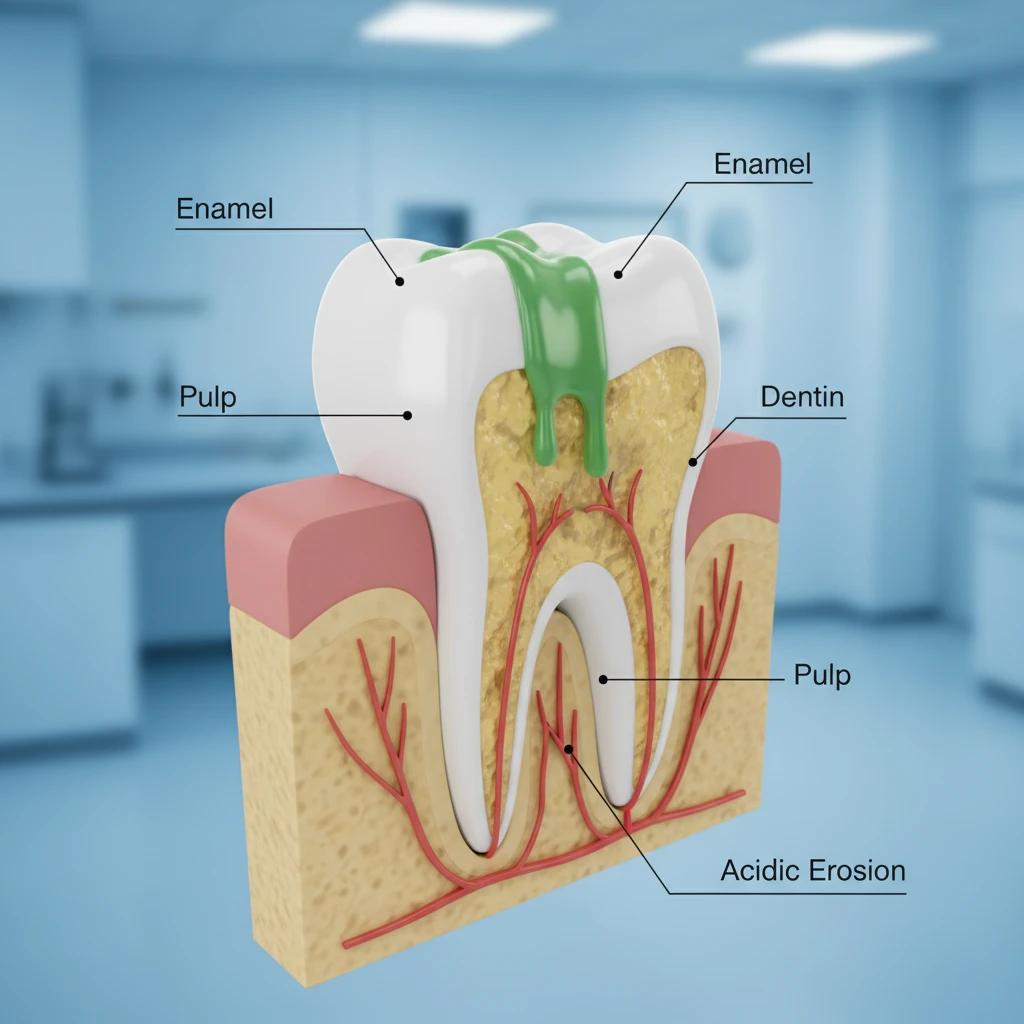
Diagram of stomach acid eroding tooth enamel
Uncategorised

Bulimia & Dental Health

The long-term effects of bulimia on teeth primarily involve severe enamel erosion, known as perimolysis, caused by frequent exposure to stomach acid. This leads to increased tooth sensitivity, discoloration, structural weakness, cavities, changes in bite alignment, and potentially tooth loss, often requiring complex restorative dental work to correct. Bulimia nervosa is a serious mental health

Diagram illustrating the eating disorder spectrum including OSFED
Uncategorised

OSFED (Other Specified Feeding or Eating Disorder)

OSFED (Other Specified Feeding or Eating Disorder) is a clinical diagnosis for severe eating disorders that do not meet the strict criteria for Anorexia, Bulimia, or Binge Eating Disorder. Despite the “other” label, OSFED is the most common eating disorder, carrying serious physical and psychological risks that require professional medical and therapeutic intervention. For many

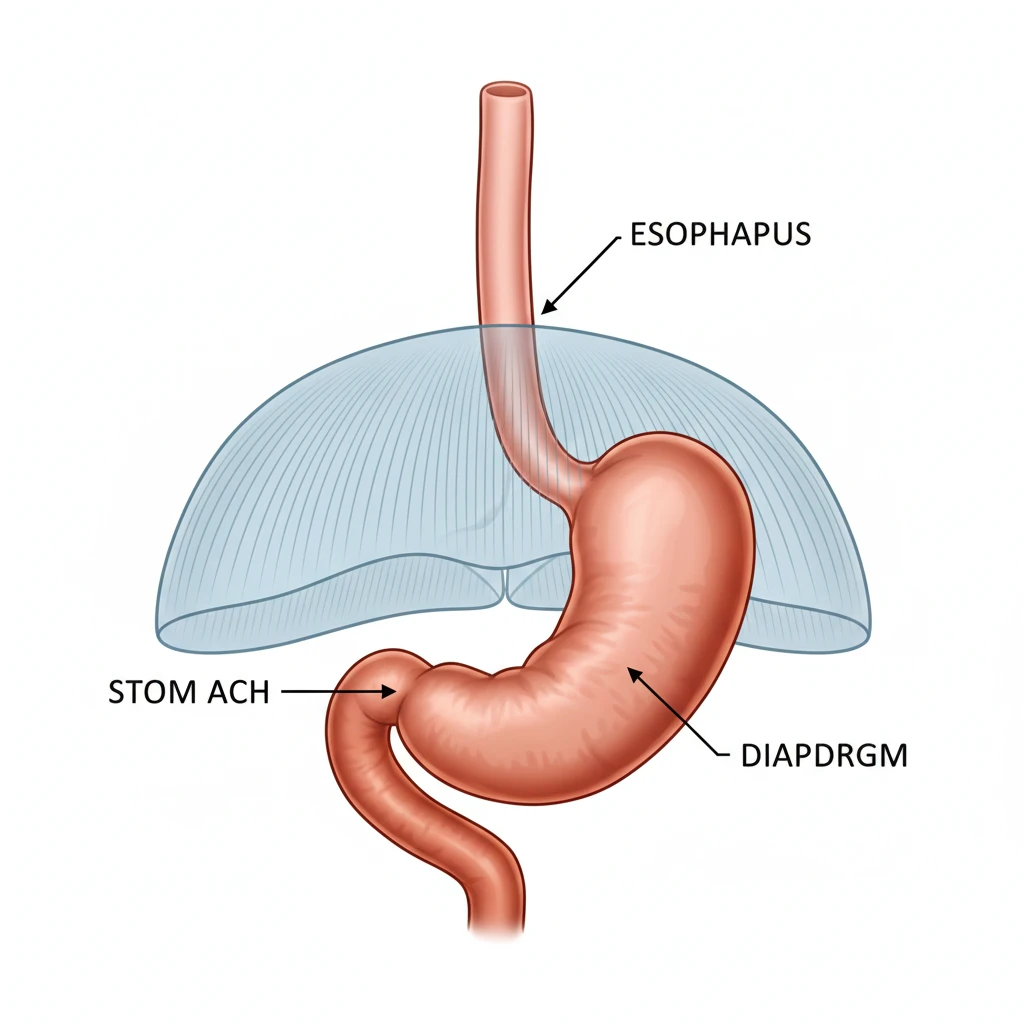
Diagram of the upper gastrointestinal tract highlighting the diaphragm and esophagus
Uncategorised

Rumination Disorder

Rumination disorder treatment for adults primarily focuses on Diaphragmatic Breathing techniques, also known as behavioral retraining. Unlike acid reflux treatments, this specialized breathing method relaxes the diaphragm and tightens the lower esophageal sphincter after eating. This prevents the increase in intra-abdominal pressure that triggers regurgitation, effectively retraining the body’s automatic digestive response. Table of Contents

Doctor performing cardiac assessment for eating disorder patient
Uncategorised

Physical Complications & Monitoring

Medical monitoring for eating disorders in NZ involves a structured protocol where General Practitioners and specialists regularly assess vital signs, cardiac function, and blood chemistry to prevent life-threatening complications. This process includes tracking weight restoration, monitoring for refeeding syndrome, and managing electrolyte imbalances caused by malnutrition or purging behaviors. Table of Contents Cardiac Risks: Bradycardia

Journaling to identify eating disorder relapse warning signs
Uncategorised

Relapse Prevention

Eating disorder relapse warning signs are subtle shifts in thoughts, behaviors, or physical sensations indicating a potential return to disordered eating patterns. Common indicators include increased body checking, social withdrawal, obsessive counting of calories, heightened anxiety around mealtimes, and justifying skipped meals. Early recognition allows for timely intervention and sustained recovery. Recovery from an eating

Genetic link between autism and eating disorders
Uncategorised

Autism & Eating Disorders

The autism and eating disorders overlap is characterized by a significant comorbidity where restricted eating is driven by sensory processing differences, cognitive rigidity, and a need for routine rather than body image issues alone. Studies indicate that approximately 20-35% of individuals in eating disorder treatment display high autistic traits, requiring specialized, neuro-affirming recovery approaches. For

Scroll to Top