Atypical anorexia diagnosis criteria require an individual to meet all the diagnostic markers for anorexia nervosa—including significant restriction of energy intake, intense fear of gaining weight, and disturbance in self-perceived body shape—except that their weight remains within or above the medically defined “normal” range. Despite the weight difference, the physiological and psychological severity is identical to typical anorexia.
What is Atypical Anorexia Nervosa?
In the landscape of eating disorder treatment, few diagnoses are as misunderstood and systemic barriers as high as they are for Atypical Anorexia Nervosa (AAN). Historically, anorexia was strictly associated with emaciation. However, modern psychiatric understanding, codified in the DSM-5 (Diagnostic and Statistical Manual of Mental Disorders, 5th Edition), recognizes that severe restrictive eating disorders occur across the entire weight spectrum.
The term “atypical” is increasingly viewed by experts and advocates as a misnomer that minimizes the severity of the illness. It suggests a condition that is less serious or “not quite” anorexia. In reality, studies consistently show that individuals with atypical anorexia experience the same medical instability, psychological distress, and quality of life impairment as those with typical anorexia nervosa. The only distinguishing factor is that the sufferer is not underweight according to the Body Mass Index (BMI).

For patients in New Zealand seeking help, understanding that their struggle is valid regardless of their dress size is the first step toward recovery. The eating disorder voice often uses the “atypical” label to validate the idea that one is “not sick enough” to deserve treatment—a dangerous fallacy that delays intervention and worsens outcomes.
What are the specific atypical anorexia diagnosis criteria?
To receive a diagnosis of Atypical Anorexia Nervosa under the category of Other Specified Feeding or Eating Disorder (OSFED), a clinician looks for specific behavioral and psychological patterns. It is crucial to note that diagnosis should be performed by a qualified healthcare professional, such as a GP with a special interest in mental health, a psychiatrist, or a clinical psychologist.
1. Restriction of Energy Intake
The core behavior is the restriction of energy intake relative to requirements. This leads to weight loss or a failure to gain weight during a period of growth (in adolescents). In atypical anorexia, this weight loss may be significant and rapid, yet the individual’s weight remains within or above the normal BMI range. The body is in a state of energy deficit and malnutrition, regardless of the starting weight.
2. Intense Fear of Weight Gain
There is an intense, overwhelming fear of gaining weight or becoming fat. This fear does not subside even if weight is lost. In fact, weight loss often fuels the anxiety, creating a vicious cycle where the sufferer believes that further restriction is the only way to manage this fear. This often manifests as persistent behavior that interferes with weight gain, such as excessive exercise or purging.
3. Disturbance in Body Image
The way in which one’s body weight or shape is experienced is significantly disturbed. Self-evaluation is unduly influenced by body weight and shape. There is often a persistent lack of recognition of the seriousness of the current low body weight (in typical anorexia) or the seriousness of the malnutrition and rapid weight loss (in atypical anorexia).
4. The Weight Distinction
The defining difference, and the only criterion that separates AAN from Anorexia Nervosa (AN), is the weight status. In AAN, despite significant weight loss, the individual’s weight is within or above the normal range. This criterion is the source of significant controversy and confusion, particularly in how it influences access to public health funding in New Zealand.
The Danger of Weight Stigma in NZ Medical Settings
New Zealand has high rates of body image dissatisfaction, and our healthcare system is not immune to the pervasive culture of weight stigma. Weight stigma in medical settings refers to the discriminatory acts and ideologies targeted towards individuals because of their weight and size. For those with atypical anorexia, this stigma can be life-threatening.
The “Prescription” of Anorexia
One of the most harrowing experiences for patients with AAN is being praised for weight loss that is the direct result of a severe mental illness. When a person in a larger body presents to a GP with rapid weight loss, they are often congratulated or encouraged to “keep up the good work,” whereas a thin person presenting with the same symptoms would be immediately flagged for an eating disorder assessment.

This reinforcement validates the eating disorder. It confirms the patient’s fear that their worth is tied to their weight and that their starvation is medically sanctioned. In New Zealand, where the “obesity epidemic” narrative is strong within public health messaging, well-meaning practitioners may inadvertently miss the signs of AAN because they are conditioned to view weight loss in higher-weight individuals as universally positive.
Barriers to Public Funding
In the New Zealand public health system (Te Whatu Ora), access to specialized eating disorder services is often gatekept by strict criteria. Historically, and still in practice in many regions, BMI thresholds are used to determine urgency or eligibility for inpatient care or specialist outpatient support. Patients with atypical anorexia often do not meet these low-BMI cutoffs, leaving them in a “treatment gap.” They are deemed “too heavy” for eating disorder services but are suffering from severe medical instability.
Physical Health Risks Regardless of BMI
A common misconception is that the physical dangers of anorexia are caused by being underweight. Science tells us that the dangers are caused by malnutrition and behaviors (like purging or over-exercise), which can occur at any weight.
Cardiovascular Instability
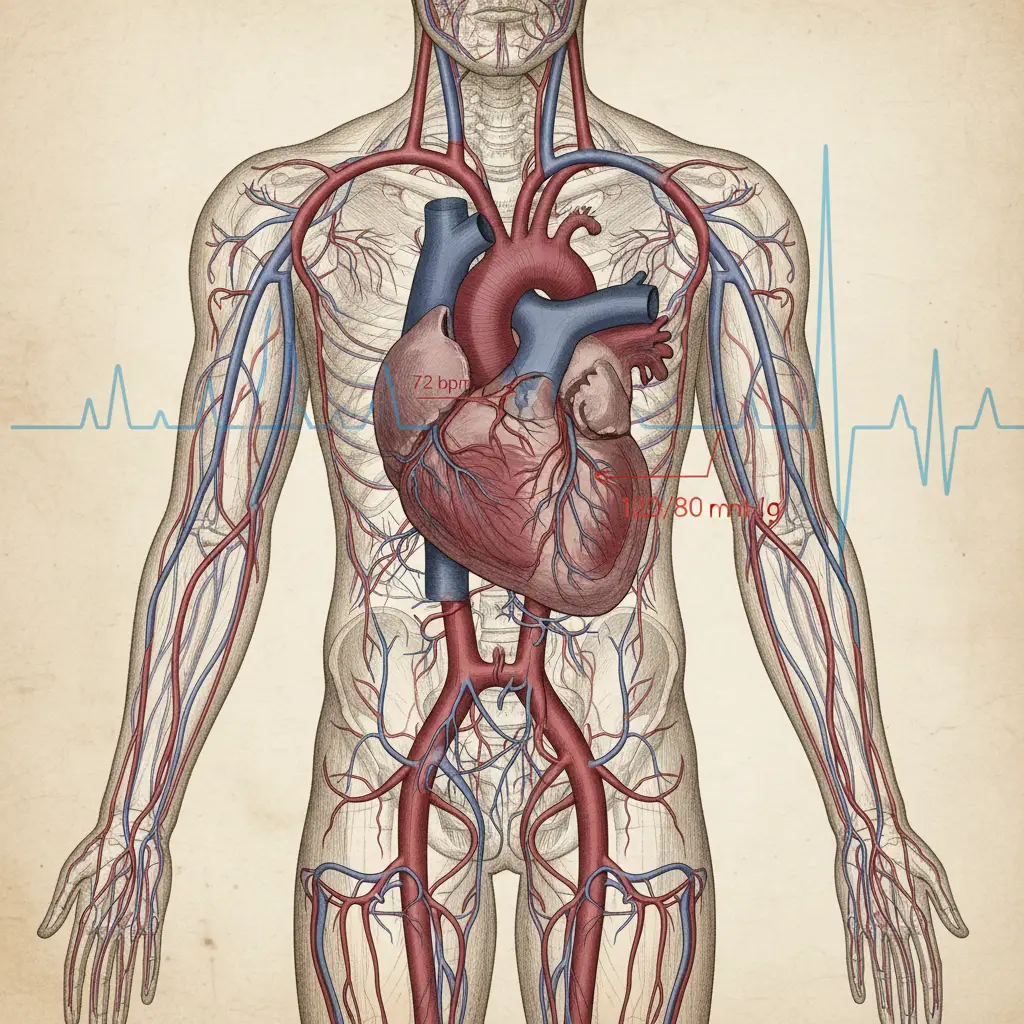
The heart is a muscle, and when the body is starved of energy, it breaks down muscle tissue for fuel. This includes the heart. Patients with atypical anorexia frequently present with bradycardia (dangerously slow heart rate) and orthostatic hypotension (blood pressure dropping upon standing). Studies indicate that the rate of cardiac instability in AAN patients is comparable to those with typical anorexia.
Metabolic Suppression
To survive the energy deficit, the body suppresses its metabolic rate. This “hibernation mode” affects every system. Digestion slows (gastroparesis), body temperature drops (feeling constantly cold), and reproductive functions cease (loss of menstruation or libido). These are signs of a body in crisis, attempting to conserve energy to keep vital organs functioning.
Electrolyte Imbalances
Restrictive eating, coupled with potential purging or water loading, can lead to severe electrolyte imbalances. Low potassium, sodium, or phosphate levels can lead to seizures and cardiac arrest. These blood markers do not depend on BMI; they depend on recent dietary intake and behaviors. A person can have a normal BMI and be at high risk of Refeeding Syndrome if they have been restricting heavily.
Advocating for Treatment without being ‘Underweight’
Navigating the healthcare system with atypical anorexia requires advocacy and resilience. Because the diagnosis is often missed, patients and their whānau (families) must often push for the correct assessments.
How to Talk to Your GP
When visiting a GP in New Zealand, it is helpful to be direct. Bring a support person if possible. Explicitly state, “I am concerned I have an eating disorder. I am restricting my food intake and have intense anxiety about my weight.” If the doctor focuses solely on weight, request a referral for blood tests (checking for malnutrition markers, not just cholesterol) and an ECG to check heart function.
Ask for a referral to a specialist or a mental health clinician who has experience with eating disorders. If you are dismissed based on your BMI, it is your right to ask for a second opinion. Organizations like EDANZ (Eating Disorders Association of New Zealand) can provide resources and sometimes recommend GP practices that are known to be HAES (Health at Every Size) aligned or eating disorder informed.
Pathways to Recovery in New Zealand
Recovery from atypical anorexia is entirely possible, though it requires addressing both the physical malnutrition and the psychological roots of the disorder. Treatment usually involves a multidisciplinary team:
- Medical Monitoring: Regular checks of heart rate, blood pressure, and bloods by a GP.
- Psychotherapy: Evidence-based therapies like CBT-E (Cognitive Behavioral Therapy for Eating Disorders), FBT (Family Based Treatment for adolescents), or ACT (Acceptance and Commitment Therapy).
- Dietetic Support: Working with a non-diet, ED-specialized dietitian to restore nutritional balance and normalize eating patterns.

Private vs. Public Care
Due to the high demand and strict criteria of the public system, many New Zealanders seek private treatment. While this incurs a cost, some medical insurance policies in NZ are beginning to offer better coverage for mental health and psychiatric care. It is worth checking your policy specifically for “psychiatric hospitalization” or “specialist consultations.”
Ultimately, atypical anorexia is a severe psychiatric illness that demands serious medical attention. The diagnosis criteria confirm that the suffering is real, regardless of the number on the scale. By understanding the criteria and the risks, patients and families can better advocate for the life-saving care they deserve.
Is atypical anorexia less dangerous than typical anorexia?
No. Research shows that individuals with atypical anorexia face similar medical risks, including cardiac instability and electrolyte imbalances, and often experience higher levels of psychological distress due to weight stigma and delayed diagnosis.
Can you recover from atypical anorexia without gaining weight?
Recovery focuses on restoring physical health and normalizing eating behaviors. For many, this involves weight restoration or stabilization to reach their body’s unique genetic set point. Restricting weight gain often hinders full psychological recovery.
What is the main difference between anorexia and atypical anorexia?
The only diagnostic difference is the individual’s weight. In atypical anorexia, the person meets all criteria for anorexia nervosa (restriction, fear of weight gain, body image disturbance) but is not below the clinically defined “underweight” BMI threshold.
How do I get help for an eating disorder in NZ?
Start by visiting your GP for a referral. You can also contact EDANZ for support and guidance. In severe cases, referrals are made to regional Eating Disorder Services (EDS) within the public health system, or you can seek private specialists.
Does health insurance cover atypical anorexia in New Zealand?
Coverage varies by provider and policy. Some comprehensive policies cover psychiatrist consultations and clinical psychology. Some may cover private inpatient treatment, but often with capped limits. Always check your specific policy wording regarding psychiatric conditions.
What are the hidden physical signs of atypical anorexia?
Beyond weight, signs include feeling cold all the time, dizziness upon standing (orthostatic hypotension), hair loss, brittle nails, loss of menstruation (amenorrhea), and severe constipation or digestive distress.