What is the connection between Sensory Processing Disorder and food textures?
Sensory processing disorder food textures issues arise when the brain misinterprets tactile signals from the mouth, causing extreme aversion to specific consistencies like slime, crunch, or mixed lumps. This hypersensitivity, often called oral defensiveness, triggers a gag reflex or fight-or-flight response, leading to restrictive eating patterns and potential nutritional deficits.
For many individuals and families navigating the complexities of eating challenges, the dinner table is not a place of connection, but a battleground of anxiety. When a person recoils from a specific food, it is rarely a behavioral act of defiance. Instead, it is often a neurological response to sensory processing disorder (SPD). In the context of eating disorder recovery, particularly within New Zealand’s healthcare landscape, understanding the nuance between “picky eating,” Avoidant/Restrictive Food Intake Disorder (ARFID), and sensory hypersensitivity is the first step toward healing.
Understanding Hypersensitivity to Textures and Smells
To comprehend why an individual with SPD refuses certain foods, one must understand the mechanics of oral defensiveness. Eating is the most complex sensory task humans perform. It involves the simultaneous engagement of all eight sensory systems: visual, auditory, olfactory (smell), gustatory (taste), tactile (touch), vestibular (balance), proprioceptive (body position), and interoceptive (internal body state).
For a neurotypical brain, these inputs are filtered and integrated seamlessly. For someone with SPD, the filter is broken. The tactile sensation of a mashed potato (slimy/wet) or a blueberry (pop/liquid) can register in the brain not as “food,” but as a noxious, painful, or threatening assault.

The Hierarchy of Sensory Aversion
Texture aversions are rarely random. They typically follow specific patterns based on predictability:
- Mixed Textures: Foods like yogurt with fruit chunks, vegetable soup, or lasagna are often the most difficult. The brain cannot predict what the next bite will feel like—will it be soft, hard, or liquid? This unpredictability triggers the amygdala (the brain’s fear center).
- Slimy or Wet Textures: Mashed vegetables, sauces, and ripe fruits often trigger a gag reflex because they spread in the mouth, requiring more oral motor control to manage.
- Fibrous Textures: Meats that require significant chewing (proprioceptive input) can be exhausting or frightening for those with low oral muscle tone.
The Olfactory Connection
Smell and taste are inextricably linked. In many cases of sensory processing disorder food textures aversion, the issue begins before the food enters the mouth. Hyperosmia (heightened sense of smell) can make the aroma of cooking broccoli or frying fish physically nauseating. In New Zealand households, where roast lamb or seafood are staples, this can lead to significant social isolation during family meals.
The ‘Beige Diet’ Phenomenon
A hallmark sign of sensory-based feeding issues is the adherence to a “Beige Diet.” This refers to a nutritional intake consisting almost exclusively of white, yellow, or brown processed foods. Common staples include:
- Chicken nuggets or schnitzel
- Hot chips (fries)
- White bread or toast (often without spreads)
- Plain pasta
- Crackers and biscuits
Why beige? The answer lies in industrial consistency. A chicken nugget from a specific brand will taste and feel exactly the same every single time. A blueberry, conversely, might be sweet and firm one day, but sour and mushy the next. For a brain that craves sensory predictability to feel safe, the “Beige Diet” is a survival mechanism, not a lifestyle choice.
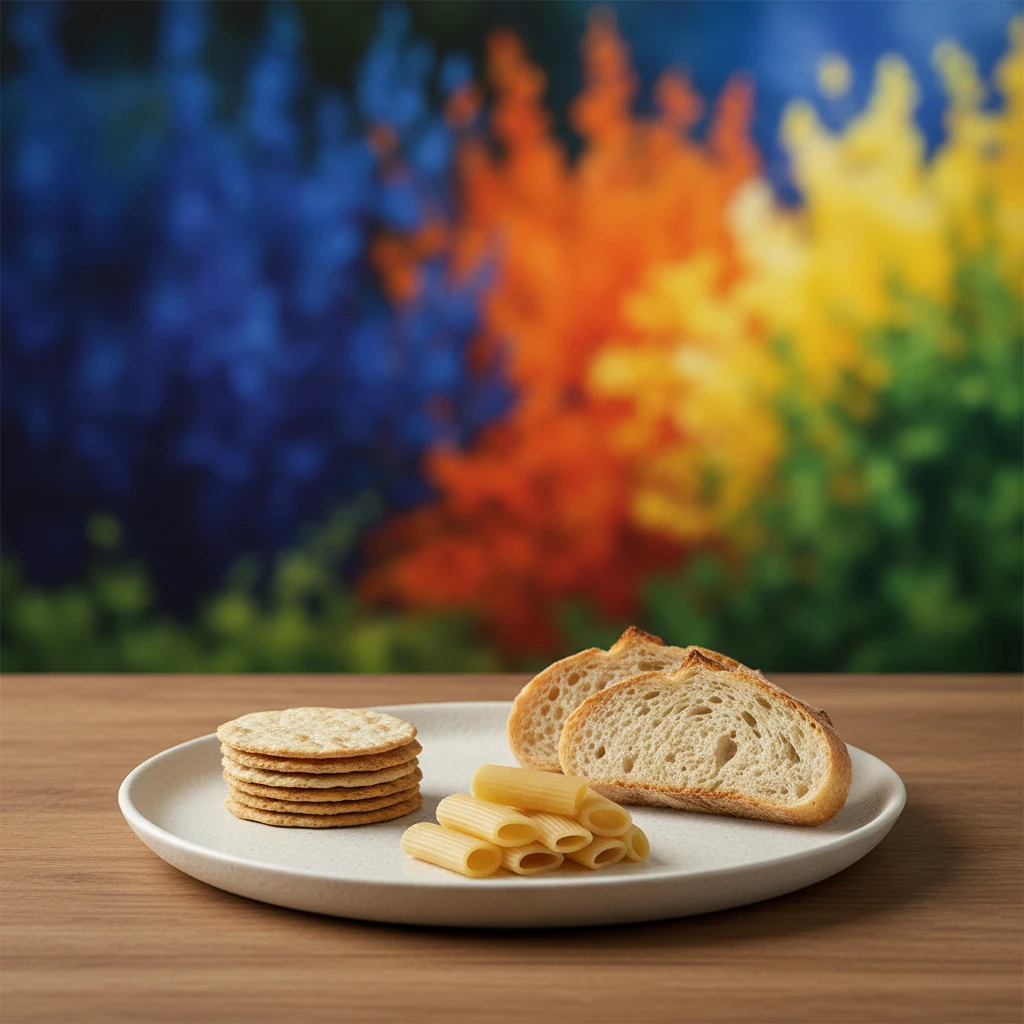
While these foods provide calories, they often lack essential micronutrients like iron, zinc, and fiber. Over time, this restriction can lead to lethargy, poor concentration, and digestive issues, complicating the recovery process.
SPD vs. ARFID: Diagnosing the Difference
In the realm of eating disorder treatment, distinguishing between SPD and Avoidant/Restrictive Food Intake Disorder (ARFID) is critical, though they frequently co-occur. ARFID is a clinical diagnosis in the DSM-5, whereas SPD is a neurological framework often treated by Occupational Therapists.
Key Distinctions
| Feature | Sensory Processing Disorder (SPD) | ARFID |
|---|---|---|
| Primary Driver | Physical sensation (texture, smell, temperature). | Fear of consequences (choking, vomiting) or lack of interest. |
| Body Image | Not driven by body image or weight loss. | Not driven by body image (unlike Anorexia). |
| Reaction | Gagging, spitting out, shuddering. | Anxiety, refusal to sit at table, complete avoidance. |
Effective treatment requires identifying if the restriction is purely sensory or if it has evolved into a phobia of eating (ARFID).
Occupational Therapy for Feeding Issues
Occupational Therapy (OT) is the gold standard intervention for sensory-based feeding challenges. In New Zealand, specialized pediatric and adult OTs utilize approaches such as the SOS (Sequential Oral Sensory) Approach to Feeding.
The Steps to Eating
OTs recognize that eating is a multi-step process. You do not simply put food in your mouth. The hierarchy of interaction includes:
- Visual Tolerance: Being in the same room as the food.
- Interaction: Using a utensil to stir or serve the food.
- Smell: Leaning down to smell the food.
- Touch: Touching the food with fingers, then lips.
- Taste: Licking the food, then spitting it out.
- Eating: Chewing and swallowing.

Therapy focuses on play and exploration to reduce the adrenaline response associated with new textures. By removing the pressure to “eat,” the brain can slowly habituate to the sensory input.
Desensitization vs. Accommodation Strategies
Recovery and management involve a delicate balance between desensitization (getting used to the texture) and accommodation (modifying the food to be bearable).
Food Chaining
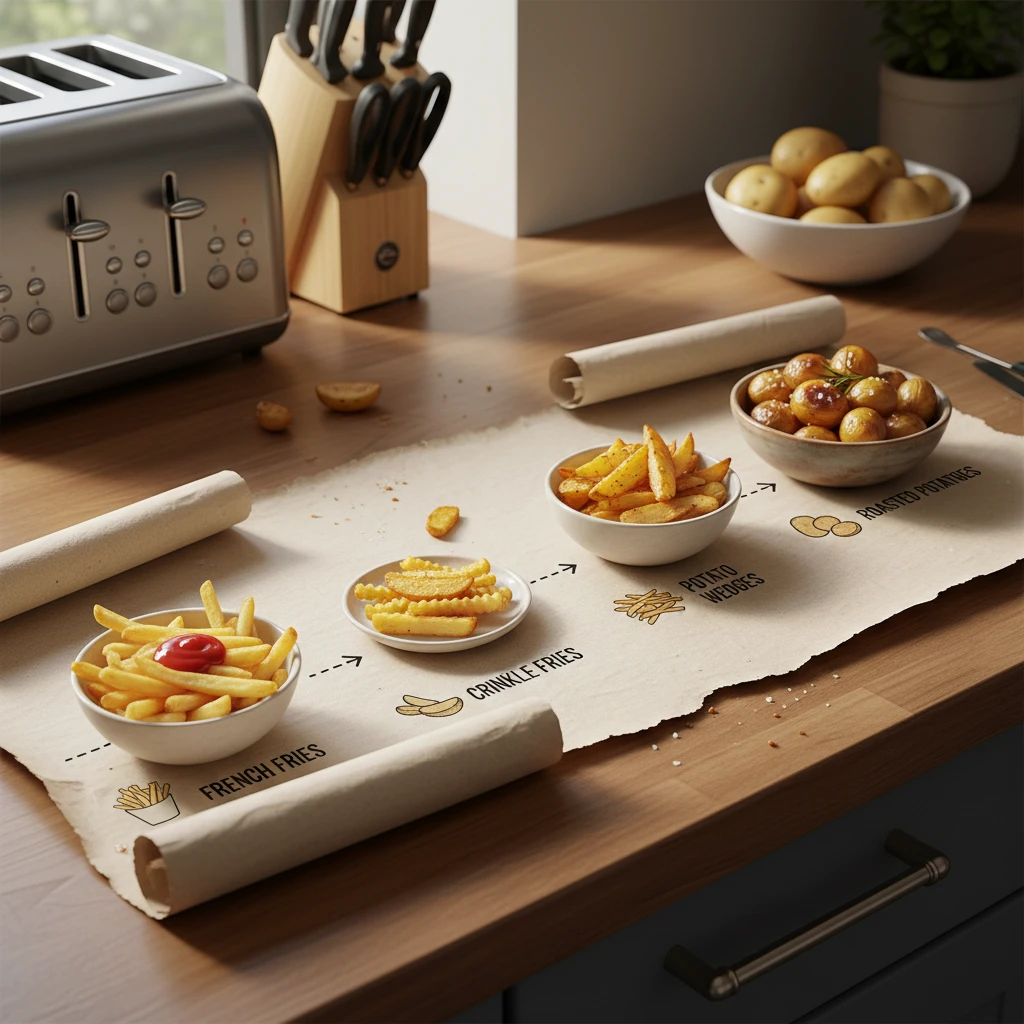
Food chaining is a highly effective method used to expand a restrictive diet. It involves linking a preferred food to a new food via a series of tiny changes in texture, taste, or temperature.
Example of a Chain:
- Anchor Food: McDonald’s French Fry (Safe).
- Link 1: Frozen oven-baked fry (Similar taste, slightly different texture).
- Link 2: Homemade potato wedge (Different shape, same taste).
- Link 3: Roasted potato cube (Soft center).
- Goal Food: Mashed potato or baked potato.
Bridge Behaviors
Using condiments is a common “bridge.” If a child loves tomato sauce (ketchup), allowing them to dip a new vegetable in the sauce can mask the new taste while they adjust to the new texture (crunch). In New Zealand, utilizing familiar flavors like Marmite or specific cracker brands can serve as these bridges.
Why “Just One Bite” Fails
Traditional parenting or dietary advice often suggests the “just take one bite” rule. For someone with SPD, this is counterproductive. It spikes anxiety and reinforces the fight-or-flight response. If the texture causes a gag reflex, forcing a bite creates a negative association with that food, potentially removing it from the menu permanently.
Navigating Treatment in New Zealand
For families in New Zealand seeking help for sensory processing disorder food textures, the pathway can be navigated through both public and private sectors.
- General Practitioner (GP): The first port of call. A GP can provide a referral to a pediatrician or a public hospital child development service, though waitlists can be long.
- Private Occupational Therapy: Many OTs in NZ specialize in sensory integration. This is often the fastest route to getting a sensory profile assessment.
- Eating Disorder Services: For severe cases resulting in malnutrition (ARFID), referrals to regional eating disorder services (like Tupu Ora in Auckland or SEDS in other regions) may be necessary.
Understanding that texture aversion is a physiological response, not a choice, is the foundation of recovery. With patience, professional OT support, and strategies like food chaining, the menu can slowly expand, bringing peace back to the dining table.
People Also Ask
What textures do SPD adults hate?
Adults with SPD commonly struggle with “slimy” textures (oysters, okra, soft fat on meat), mixed textures (stews, chunky yogurt), and mushy foods (mashed potatoes, bananas). Unexpected gristle in meat is a frequent trigger that can cause an immediate loss of appetite.
Can you grow out of sensory food issues?
While some children may mature out of mild sensitivities as their sensory systems develop, true SPD usually requires intervention. Without desensitization therapy, childhood aversions often persist into adulthood, manifesting as a limited “picky” diet.
Is texture aversion a sign of autism?
Texture aversion is highly common in Autism Spectrum Disorder (ASD) due to generalized sensory processing differences. However, one can have Sensory Processing Disorder and texture issues without being Autistic. It is a symptom that overlaps but is not exclusive.
How do I cook for someone with texture issues?
Focus on separating textures. Instead of a casserole, serve the meat, starch, and vegetables separately on the plate (deconstructed meals). Avoid hiding vegetables in sauces, as the unexpected lumps can destroy trust. Offer “safe” crunchy sides to help neutralize soft textures.
What is the best therapy for sensory eating?
Occupational Therapy (OT) utilizing the SOS (Sequential Oral Sensory) approach is widely considered the best therapy. It focuses on desensitization through play and low-pressure interaction with food, rather than forced consumption.
Is ARFID the same as SPD?
No. SPD is a neurological condition regarding how the brain processes sensory input. ARFID is an eating disorder characterized by the restriction of food intake. However, untreated SPD regarding food textures is a leading cause of developing ARFID.