The ADHD and binge eating connection is primarily driven by the brain’s deficiency in dopamine and deficits in executive function. Individuals with ADHD often engage in binge eating as a form of self-medication to stimulate the brain’s reward center, coupled with impulsivity that overrides satiety signals and a lack of interoceptive awareness regarding hunger and fullness cues.
For many individuals navigating the complexities of neurodivergence, the relationship with food can be fraught with confusion and shame. In the context of Eating Disorder Treatment and Recovery in New Zealand, recognizing the biological underpinnings of this connection is the first step toward compassion and healing. It is not merely a lack of willpower; it is a neurobiological event.
The Neurobiology of Cravings: Dopamine Seeking Behavior
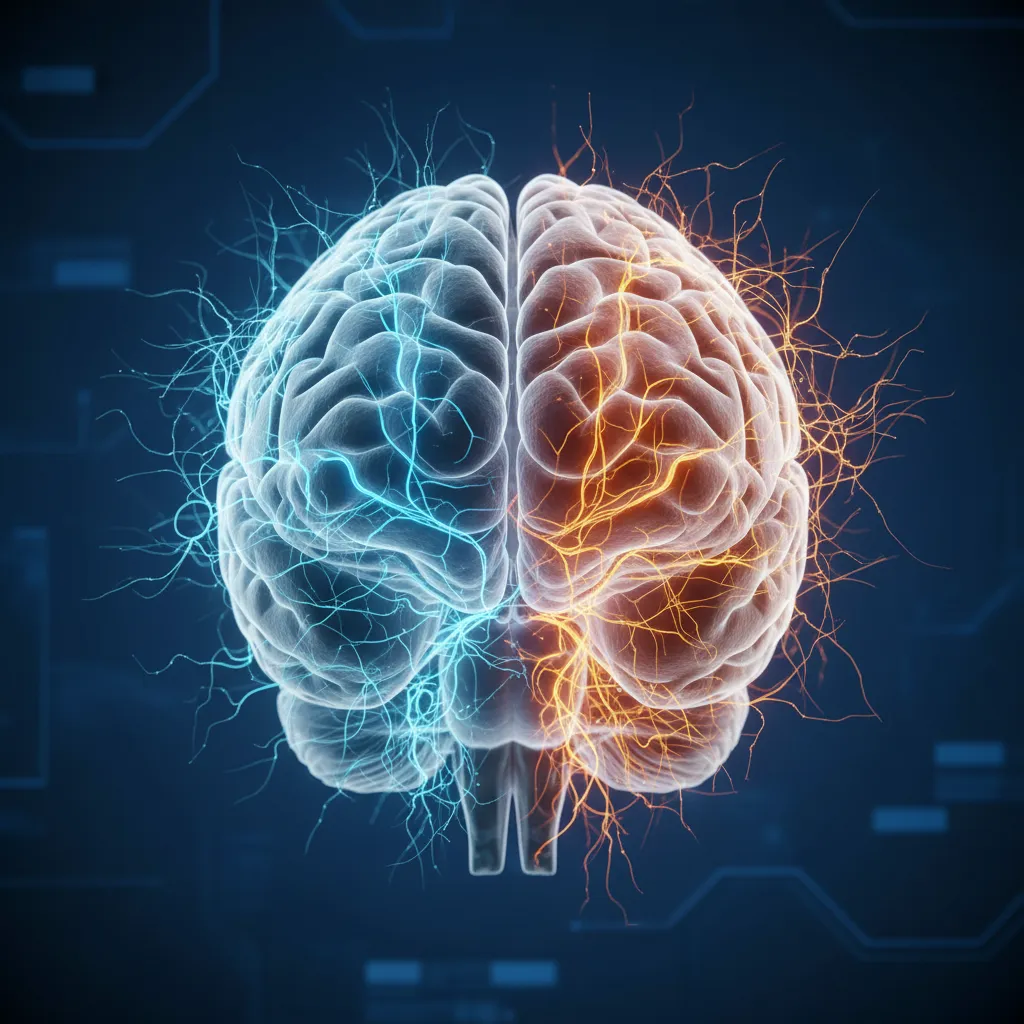
To understand the ADHD and binge eating connection, one must first understand the neurotransmitter dopamine. In the neurotypical brain, dopamine is released in anticipation of a reward, reinforcing behaviors that are essential for survival, such as eating. However, the ADHD brain is characterized by a dysregulation of the dopamine system—often described as a chronic deficit in reward sensitivity.
This “Reward Deficiency Syndrome” means that an individual with ADHD requires a higher threshold of stimulation to feel a sense of satisfaction or normalcy. Food, particularly highly palatable foods rich in sugar, fat, and salt, acts as a potent and immediate dopamine agonist. When the ADHD brain feels under-stimulated—perceived as boredom, restlessness, or agitation—it subconsciously scans the environment for the quickest source of dopamine. In our modern food environment, that source is often the pantry.
Why Sugar and Carbs?
Carbohydrates and sugars trigger a rapid release of serotonin and dopamine. For someone with untreated or unmanaged ADHD, a binge episode involving sugary foods is often an unconscious attempt to self-regulate brain chemistry. This is why cravings in ADHD are rarely for broccoli or plain chicken; the brain is specifically seeking the high-glycemic index foods that provide a rapid neurochemical spike. This behavior is often cyclical: the crash following a sugar spike leads to a return of the dopamine deficit, prompting another cycle of seeking and consumption.
Impulsivity and the Interoception Disconnect
Beyond the chemical drive for stimulation, the structural characteristics of ADHD—specifically impulsivity and poor interoception—play a critical role in binge eating disorder (BED).
The inability to Hit “Pause”
Impulsivity is a core symptom of ADHD, manifesting as a difficulty in delaying gratification. In the context of eating, this means that the time gap between the thought of food (“I want that cookie”) and the action of eating (consuming the cookie) is virtually non-existent. The executive function required to pause and evaluate the consequences of eating—such as physical discomfort or alignment with health goals—is bypassed. This impulsivity makes it incredibly difficult to stop eating once started, often leading to the consumption of large quantities of food in a short period, a hallmark of binge eating.
Interoceptive Awareness: Am I Actually Hungry?
Interoception is the sense that helps you understand and feel what is going on inside your body, including signals for hunger, thirst, and satiety. Research suggests that individuals with ADHD often struggle with low interoceptive awareness. You might not notice the gradual onset of hunger, only realizing the need for food when you are physically starving, which triggers a primal urge to eat rapidly and excessively.

Conversely, the signal for “fullness” may be missed or ignored because the brain is hyper-focused on the dopamine reward of the taste rather than the physical sensation of the stomach stretching. This disconnect is a significant barrier in intuitive eating approaches, which rely heavily on these internal cues.
The Role of Stimulant Medication: Suppression and Rebound
In New Zealand, the first-line treatment for ADHD often involves stimulant medications such as Methylphenidate (Ritalin, Rubifen) or Lisdexamfetamine (Vyvanse). While these medications are highly effective for managing focus and impulsivity, they have a complex relationship with appetite.
The Daytime Suppression
Stimulants are known appetite suppressants. Many patients report having zero interest in food while the medication is active, often skipping breakfast and lunch entirely. While this might seem beneficial initially, it creates a massive caloric deficit and physiological hunger debt by the end of the day.
The Evening Rebound Effect
As the medication wears off in the late afternoon or evening, two things happen simultaneously:
- The Dopamine Crash: The brain’s dopamine levels drop as the medication leaves the system, leading to irritability and a desperate seeking of stimulation.
- Physiological Hunger: The body realizes it has not received fuel for 8–12 hours and sends powerful hunger signals.
This combination creates a “perfect storm” for evening binge eating. The individual is not only chemically depleted but also physically starving. The result is often an uncontrollable consumption of food in the evening hours, leading to guilt, physical discomfort, and disrupted sleep, which further exacerbates ADHD symptoms the next day.

Executive Dysfunction and Meal Planning Barriers
Executive function refers to the cognitive processes that help us plan, focus attention, remember instructions, and juggle multiple tasks successfully. Preparing a healthy meal requires a high level of executive functioning, involving steps such as:
- Deciding what to eat.
- Checking the pantry for ingredients.
- Making a grocery list.
- Going to the store (navigating sensory overwhelm).
- Unpacking groceries.
- Chopping, cooking, and monitoring timing.
- Cleaning up.
For an ADHD brain, this multi-step process can feel insurmountable, a phenomenon often called “ADHD paralysis.” When faced with this complexity, the brain will default to the path of least resistance: ordering takeaway or eating ready-to-consume processed foods. Bingeing often occurs simply because it is the most accessible way to eat when executive function reserves are depleted.
Evidence-Based Strategies for Managing ADHD-Related Eating
Recovering from the cycle of ADHD and binge eating requires a dual approach: managing the ADHD neurobiology and healing the relationship with food. Here are strategies often utilized by eating disorder specialists and dietitians in New Zealand.
1. Mechanical Eating
Because interoceptive cues (hunger/fullness) are unreliable, relying on “intuitive eating” can be counterproductive in early recovery. Instead, adopt Mechanical Eating. This involves eating on a schedule—typically every 3 to 4 hours—regardless of whether you feel hungry. This prevents the physiological starvation that drives evening binges and keeps blood sugar stable, which helps regulate dopamine.
2. The Dopamine Menu
Create a “Dopamine Menu”—a list of non-food activities that provide stimulation or comfort. When you feel the urge to binge out of boredom or under-stimulation, consult the menu. This might include:
- Starters (Quick fix): 5 minutes of loud music, splashing cold water on your face, a fidget toy.
- Mains (Deep engagement): A hobby like knitting or gaming, calling a friend, a high-intensity workout.
- Sides (Add-ons): Lighting a scented candle, using a weighted blanket.
3. Removing Friction
Address executive dysfunction by lowering the barrier to entry for healthy eating. This might mean purchasing pre-chopped vegetables, using meal kit delivery services (common in NZ like My Food Bag or HelloFresh), or relying on “girl dinner” style plates (a variety of snacks like cheese, crackers, nuts, and fruit) that require no cooking.

4. Managing the Medication Crash
If you take stimulants, plan a substantial afternoon snack before the medication wears off (around 3:30 PM or 4:00 PM). This bridges the gap between lunch and dinner, ensuring you don’t arrive at the dinner table in a state of starvation. Discuss with your GP or psychiatrist about adjusting dosage or timing if the crash is severe.
Navigating Treatment in New Zealand
In New Zealand, addressing the ADHD and binge eating connection often requires a multidisciplinary team. It is important to distinguish between general overeating and Binge Eating Disorder (BED). If you suspect you are suffering from BED, the first port of call is usually your General Practitioner (GP).
Your GP can provide a referral to local District Health Board (DHB) mental health services or specialized eating disorder services, although waitlists can be long. Alternatively, there is a robust network of private psychologists, psychiatrists, and non-diet nutritionists specializing in neurodivergence and eating disorders.
Organizations like EDANZ (Eating Disorders Association of New Zealand) provide invaluable support for families and individuals, offering resources to navigate the public and private health systems. Remember, recovery is not about exerting more control; it is about understanding your brain and providing it with the support it needs to function without relying on food for regulation.
Can ADHD medication cure binge eating?
While ADHD medication like Vyvanse is FDA-approved in some countries for treating Binge Eating Disorder, it is not a “cure.” It helps regulate dopamine and impulse control, making it easier to implement behavioral changes. However, without therapy and nutritional rehabilitation, symptoms often return if medication is stopped.
Why do I binge eat at night even if I take ADHD meds?
This is typically due to the “rebound effect.” When stimulant medication wears off in the evening, dopamine levels crash, and suppressed appetite returns with intensity. This combination of low dopamine and high physical hunger drives night-time bingeing.
Is binge eating a symptom of ADHD?
Binge eating is not a diagnostic criterion for ADHD, but there is a very high comorbidity rate. Studies suggest that up to 30% of people with Binge Eating Disorder also have ADHD, due to shared mechanisms of impulsivity and dopamine dysregulation.
How do I stop impulsive eating with ADHD?
Strategies include removing environmental triggers (not keeping binge foods visible), using mechanical eating schedules to prevent hunger, and increasing dopamine through non-food activities (movement, music, hobbies) to reduce the brain’s need to seek stimulation from food.
What is the best diet for ADHD and binge eating?
Restrictive diets often worsen binge eating. The best approach is usually a high-protein, complex-carbohydrate diet eaten at regular intervals (every 3-4 hours) to maintain stable blood sugar levels, which helps regulate focus and mood.
Does dopamine deficiency cause sugar cravings?
Yes. Sugar triggers a rapid release of dopamine in the brain’s reward center. For an ADHD brain that is chronically low in dopamine, sugar is an efficient, albeit temporary, way to self-medicate and raise dopamine levels to baseline.