The autism and eating disorders overlap is characterized by a significant comorbidity where restricted eating is driven by sensory processing differences, cognitive rigidity, and a need for routine rather than body image issues alone. Studies indicate that approximately 20-35% of individuals in eating disorder treatment display high autistic traits, requiring specialized, neuro-affirming recovery approaches.
For decades, the medical community viewed eating disorders primarily through the lens of body dysmorphia and societal pressure. However, emerging research and clinical experience in New Zealand and globally have illuminated a profound connection between neurodivergence—specifically Autism Spectrum Disorder (ASD)—and disordered eating behaviors. Understanding this link is critical for effective treatment, as standard protocols for anorexia or bulimia can often be counterproductive for autistic individuals.
The Genetic Link Between Autism and Anorexia
The correlation between autism and eating disorders is not merely behavioral; it is deeply rooted in our biology. Recent large-scale genomic studies have suggested a shared genetic architecture between anorexia nervosa and autism. This biological overlap challenges the traditional view that eating disorders are purely psychosocial conditions.
Researchers have identified that individuals with anorexia and autistic individuals often share specific cognitive phenotypes. These include:
- Central Coherence Issues: A tendency to focus on minute details rather than the “big picture.” In autism, this might manifest as an obsession with specific train schedules; in anorexia, it manifests as an obsession with calorie counting or macronutrient ratios to the exclusion of overall health.
- Cognitive Inflexibility: Difficulty switching tasks or adapting to new rules. This rigidity makes the strict rules of a restrictive diet appealing and incredibly difficult to break once established.
Furthermore, Swedish longitudinal studies have shown that having a diagnosis of autism significantly increases the risk of developing an eating disorder later in life. For families navigating the New Zealand mental health system, recognizing that these behaviors may stem from a genetic predisposition rather than “stubbornness” or “vanity” is the first step toward compassionate care.
Sensory Aversions vs. Fat Phobia: Understanding the Driver
One of the most critical distinctions in the autism and eating disorders overlap is the motivation behind the restriction. In a neurotypical presentation of anorexia nervosa, the primary driver is often an intense fear of weight gain or a distorted body image (fat phobia). However, for many autistic individuals, the restriction is driven by sensory processing differences.
The Impact of Texture, Smell, and Taste
Autistic individuals often experience sensory input more intensely than their neurotypical peers. This hypersensitivity can turn eating into a traumatic experience. A specific texture (like the sliminess of a mushroom or the pop of a cherry tomato) can trigger a gag reflex or intense anxiety.
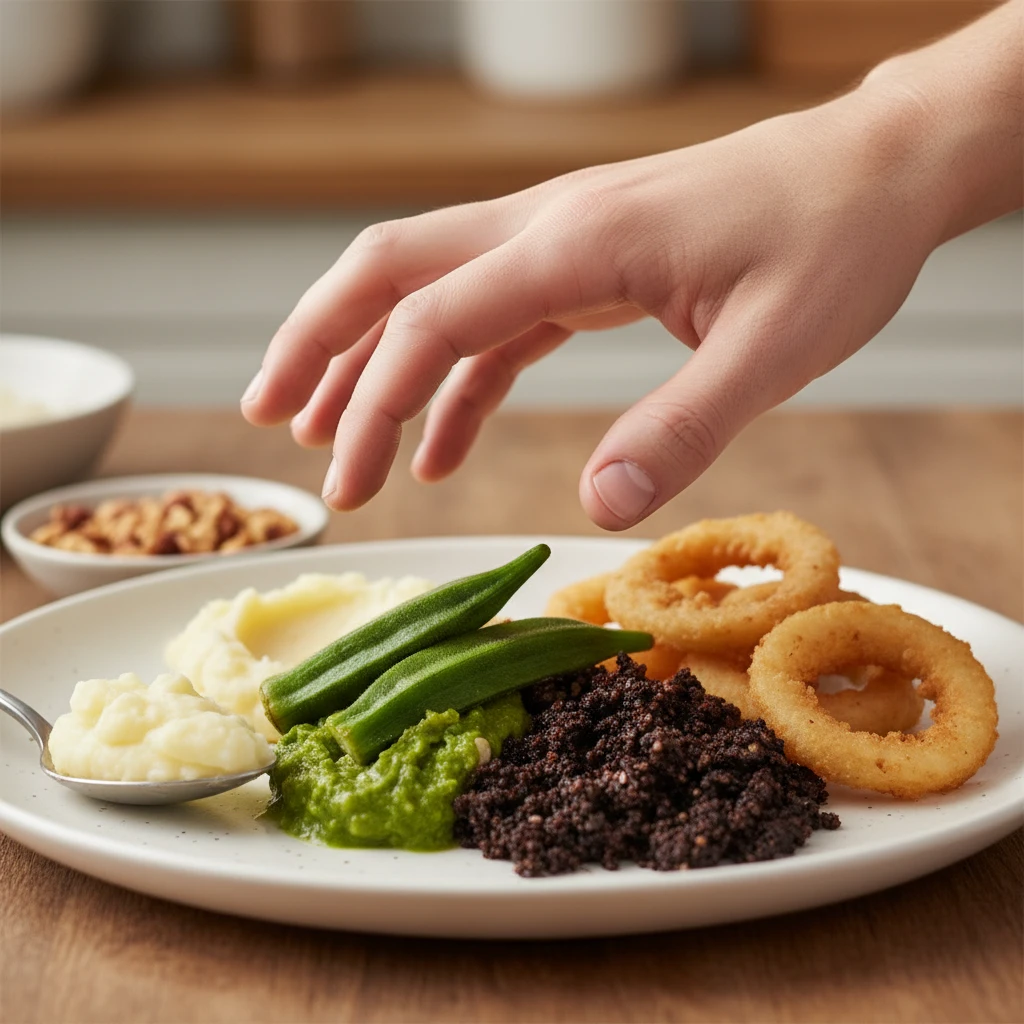
This often leads to a diagnosis of Avoidant/Restrictive Food Intake Disorder (ARFID), which is highly comorbid with autism. Unlike anorexia, ARFID does not stem from body image distress. An autistic person might restrict food intake because:
- Unpredictability: Fresh fruits and vegetables change in taste and texture depending on ripeness. Processed foods (like crackers or specific brands of nuggets) are consistent every time.
- Sensory Overload: The smell of cooking food can be overwhelming, causing a loss of appetite.
- Fear of Consequences: A fear of choking or vomiting (emetophobia) is common in the autistic population.
Treating an autistic patient for “fat phobia” when they are actually suffering from sensory aversion is not only ineffective but can be harmful. It invalidates their lived experience and fails to address the root cause of the malnutrition.
Rigidity and Routine in Eating Habits
Autism is characterized by a strong need for sameness and routine. This need for predictability is a coping mechanism for a chaotic world. When applied to food, this trait can spiral into disordered eating patterns.
The “Safe Food” Phenomenon
Many autistic people rely on “safe foods”—specific items they can eat without anxiety. While this can ensure caloric intake, it can become dangerous if the list of safe foods narrows to only two or three items. If a manufacturer changes a recipe or packaging, an autistic individual might stop eating entirely because the food is no longer “safe.”

Rule-Setting and Executive Dysfunction
Executive dysfunction—difficulty with planning, organizing, and executing tasks—is a core component of autism. Preparing a meal involves multiple steps: deciding what to eat, checking ingredients, chopping, cooking, and cleaning. This can be paralyzing for an autistic brain.
To bypass this, autistic individuals may adopt rigid rules (e.g., “I only eat at 6:00 PM” or “I only eat toast”). These rules reduce the cognitive load of decision-making. However, in the context of an eating disorder, these rules become the bars of a cage. The overlap becomes evident when the rigidity of autism reinforces the strict rules of the eating disorder, creating a cycle that is incredibly hard to break without specialized intervention.
The Role of Interoception and Hunger Cues
Interoception is the sense that helps you understand and feel what’s going on inside your body, including hunger, thirst, and fullness. Research indicates that many autistic individuals struggle with interoceptive awareness. They may simply not feel hungry until they are starving, or they may not recognize the sensation of a full stomach.
This lack of internal signaling makes “intuitive eating”—a common recovery goal—nearly impossible in the early stages of treatment. An autistic person cannot rely on their body to tell them when to eat if the signal is muted or interpreted as pain or nausea. Consequently, they may rely on external rules (calorie counting or portion control) to manage their intake, which can inadvertently trigger an eating disorder.
Adapting Treatment for Autistic Patients
In the New Zealand treatment landscape, recognizing the autism and eating disorders overlap is vital for successful outcomes. Traditional treatments like Cognitive Behavioral Therapy (CBT) often rely on abstract concepts and identifying “cognitive distortions.” For an autistic mind that thinks logically and literally, this can be challenging.

Neuro-Affirming Approaches
Effective treatment must be adapted to accommodate neurodivergence. Key strategies include:
- Concrete Communication: Avoid metaphors. Be direct and clear about meal plans and expectations.
- Sensory Modifications: Reduce fluorescent lighting and background noise in dining areas. Allow the use of specific “safe” utensils or crockery.
- Mechanical Eating First: Since interoception is often compromised, relying on a strict schedule (mechanical eating) is often more effective than waiting for hunger cues.
- Expanding, Not Flooding: Instead of forcing a wide variety of foods immediately (food flooding), use “food chaining.” This involves introducing new foods that are similar in texture or taste to existing safe foods (e.g., moving from a specific brand of potato chip to a different brand, then to a potato wedge).
- Occupational Therapy: Involving OTs to help with the sensory and executive function aspects of eating is often crucial.
Reframing Recovery for Neurodivergent Minds
Recovery for an autistic person might look different than recovery for a neurotypical person. The goal may not be to become an adventurous eater who loves all textures. Instead, the goal might be achieving a nutritionally adequate diet, metabolic stability, and a relationship with food that does not cause distress.
Acknowledging the autism and eating disorders overlap allows providers and families to move away from blame and toward understanding. It shifts the narrative from “defiance” to “distress,” opening the door for compassionate, effective, and lasting recovery.
People Also Ask
Can autism cause eating disorders?
Autism does not directly “cause” eating disorders, but the traits associated with autism—such as sensory sensitivities, cognitive rigidity, need for routine, and social anxiety—significantly increase the risk. The stress of navigating a neurotypical world can also lead autistic individuals to use food control as a coping mechanism.
What is the difference between ARFID and anorexia?
The primary difference lies in the motivation for restriction. Anorexia Nervosa is characterized by a fear of weight gain and body image distortion. ARFID (Avoidant/Restrictive Food Intake Disorder) involves restriction due to sensory issues (texture/smell), fear of aversive consequences (choking/vomiting), or a lack of interest in eating, without the focus on body weight.
How do you treat eating disorders in autistic adults?
Treatment for autistic adults requires a neuro-affirming approach. This includes adapting the sensory environment, using concrete communication styles, focusing on mechanical eating schedules rather than intuitive eating initially, and addressing executive dysfunction. Therapies like DBT (Dialectical Behavior Therapy) adapted for neurodivergence are often more effective than standard CBT.
Is picky eating a sign of autism?
Extreme picky eating, often persisting into adulthood, can be a sign of autism. While many children go through picky phases, autistic individuals often have lifelong, intense aversions to specific textures, colors, or smells of food due to sensory processing differences. This is often diagnosable as ARFID.
What is the link between ADHD, autism, and eating disorders?
There is a high overlap between ADHD, autism, and eating disorders. ADHD can contribute to disordered eating through impulsivity (binge eating) or inattention (forgetting to eat). When combined with autistic rigidity and sensory issues, the risk of developing complex eating pathologies increases significantly.
How does interoception affect eating in autism?
Interoception is the ability to feel internal body signals. Many autistic people have poor interoception, meaning they do not feel hunger or fullness cues accurately. This can lead to unintentional starvation (forgetting to eat) or binge eating (not feeling full), complicating eating disorder recovery.