The long-term effects of bulimia on teeth primarily involve severe enamel erosion, known as perimolysis, caused by frequent exposure to stomach acid. This leads to increased tooth sensitivity, discoloration, structural weakness, cavities, changes in bite alignment, and potentially tooth loss, often requiring complex restorative dental work to correct.
Bulimia nervosa is a serious mental health condition that affects the entire body, but the oral cavity is often where the first physical signs manifest. The cycle of bingeing and purging exposes teeth to corrosive gastric acids that can cause irreversible damage. Understanding these effects is crucial for both dental professionals and those in recovery within New Zealand to ensure timely intervention and compassionate care.
How Stomach Acid Affects Enamel
To understand the severity of the long-term effects of bulimia on teeth, one must understand the chemical process occurring inside the mouth during a purge. Human teeth are protected by enamel, the hardest substance in the human body. Enamel is primarily composed of hydroxyapatite, a crystalline calcium phosphate. While strong, enamel is chemically susceptible to acid.
The pH scale measures acidity, with 7 being neutral. Healthy saliva typically has a pH between 6.5 and 7.5, which helps remineralize teeth and neutralize minor dietary acids. Stomach acid (hydrochloric acid), however, is extremely potent, with a pH ranging from 1.5 to 3.5. When this acid enters the mouth during vomiting, it washes over the dentition, causing a process called dental erosion or perimolysis.
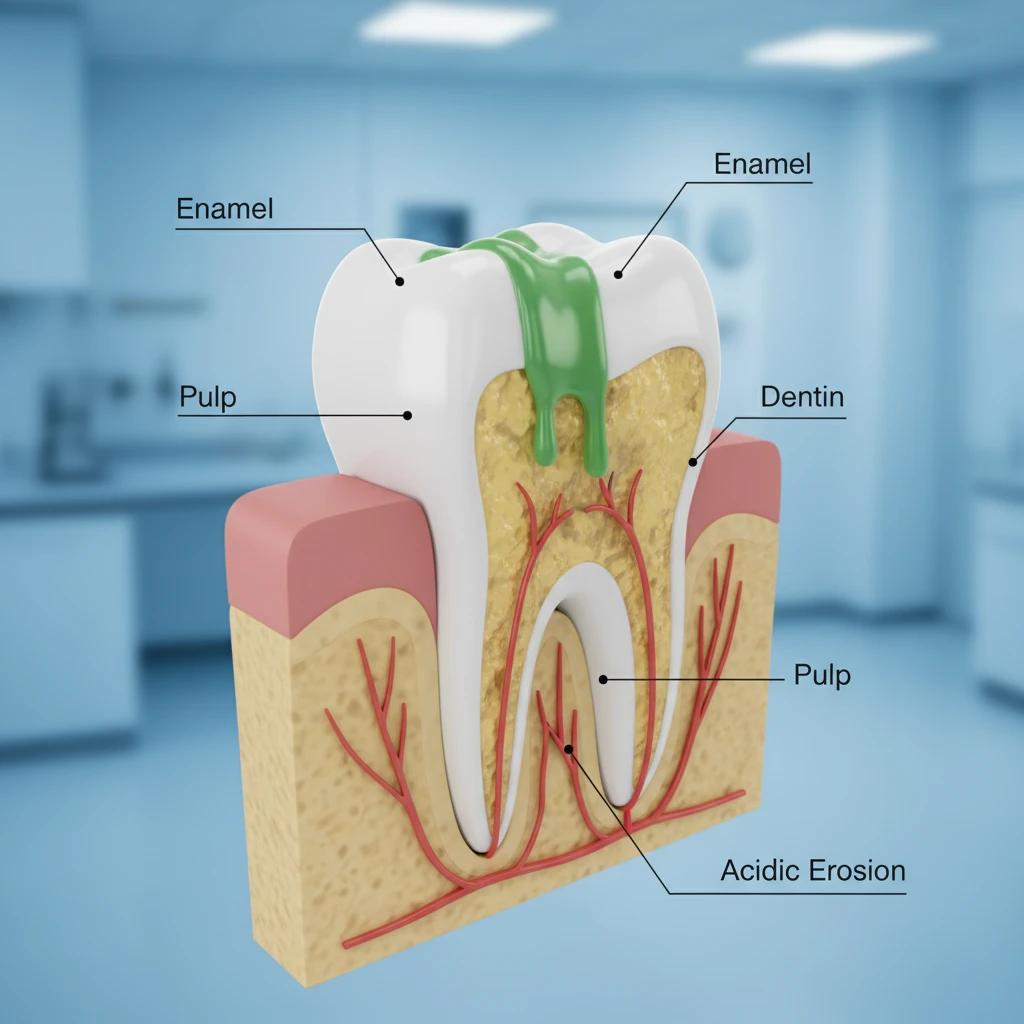
Unlike bacterial decay (cavities), which is localized and caused by plaque, acid erosion strips away the surface of the tooth layer by layer. Frequent purging overwhelms the saliva’s buffering capacity. Over time, the enamel dissolves, exposing the underlying dentin. Dentin is softer, yellower, and contains microscopic tubules that lead directly to the tooth’s nerve center (the pulp). Once the enamel is lost, it cannot regenerate, making the damage permanent without professional dental intervention.
Long Term Effects of Bulimia on Teeth
The long-term effects of bulimia on teeth are progressive. In the early stages, patients may notice minor sensitivity, but chronic purging over months or years leads to catastrophic oral health decline. The following are the specific, long-term consequences that patients and New Zealand treatment providers should monitor.
Severe Thermal Sensitivity
As the insulating layer of enamel wears away, the dentin is exposed. This leads to hypersensitivity to temperature. Cold drinks, hot tea, or even breathing in cold air can cause sharp, debilitating pain. This sensitivity can make eating difficult, further complicating the nutritional rehabilitation process essential for eating disorder recovery.
Changes in Tooth Shape and Bite
Structural integrity is compromised as the tooth dissolves. You may notice:
- Shortening of teeth: The biting edges dissolve, making teeth look shorter or flatter.
- Rounding: Sharp canines may become rounded and blunt.
- Chipping: Weakened edges become brittle and chip easily during chewing.
These changes can alter the patient’s occlusion (bite), leading to jaw pain and temporomandibular joint (TMJ) disorders.
Xerostomia (Dry Mouth) and Enlarged Glands
Bulimia often leads to dehydration and malnutrition, which reduces saliva production (xerostomia). Saliva is the mouth’s primary defense against acid and bacteria. Without it, the rate of decay accelerates. Furthermore, the body often reacts to frequent vomiting by enlarging the parotid salivary glands. This condition, known as sialadenosis, results in swelling along the jawline, giving the face a wider appearance often referred to as “chipmunk cheeks.” This swelling is usually painless but can be a source of significant distress regarding body image.
Signs of Dental Erosion from Purging
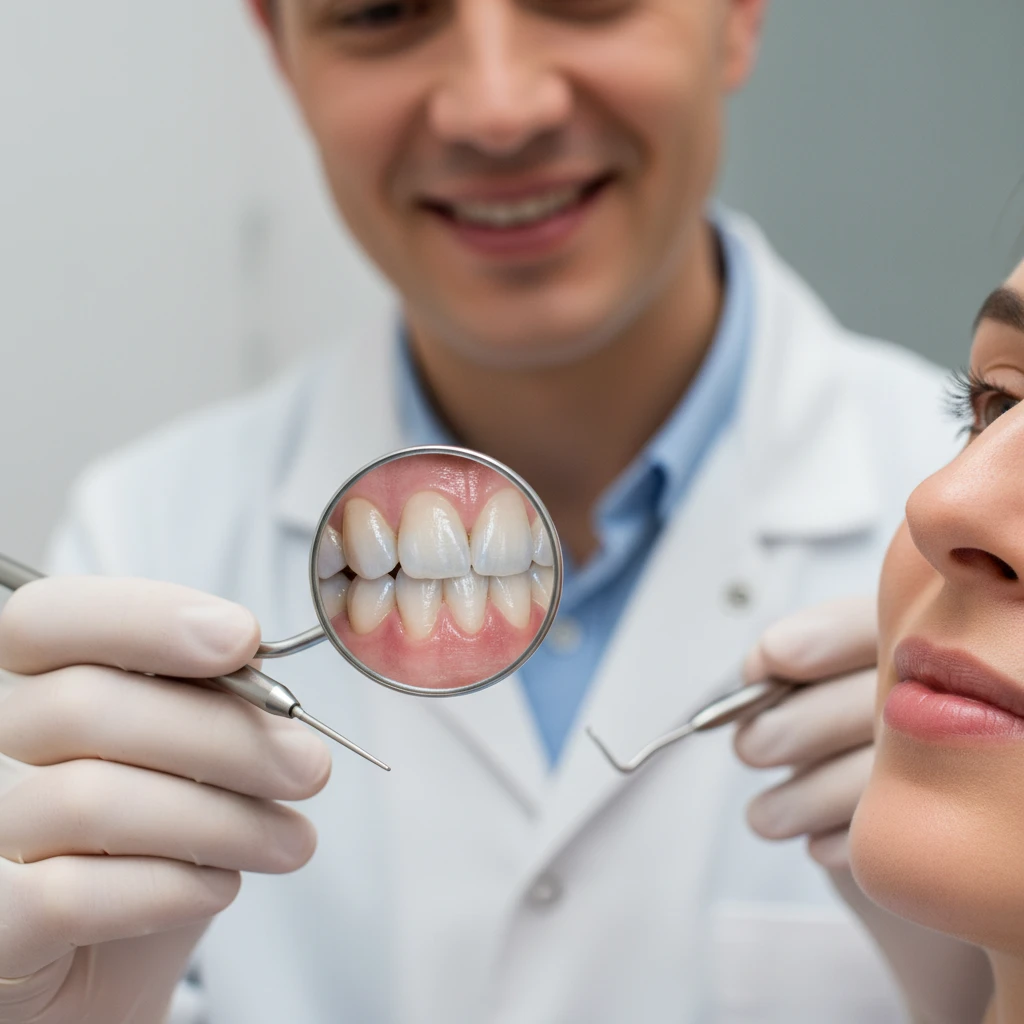
Dentists are often the first healthcare professionals to suspect an eating disorder due to the unique pattern of damage caused by self-induced vomiting. Unlike decay from sugary sodas, which affects all surfaces, purging erosion has a specific “fingerprint.”
The Palatal Surface Erosion
When vomiting occurs, the tongue is often thrust forward, shielding the bottom teeth. Consequently, the acid hits the back (palatal) surfaces of the upper front teeth most aggressively. Over the long term, these surfaces become smooth and worn down.
Amalgam Islands
If a patient has silver (amalgam) fillings, the tooth structure around the filling may erode while the metal filling remains intact. This results in the filling appearing to rise above the tooth surface, creating what dentists call “amalgam islands.” This is a hallmark sign of acid erosion.
Translucency and Discoloration
As the opaque white enamel thins, the yellowish dentin underneath begins to show through. This causes the teeth to take on a yellow or gray hue. The biting edges of the front teeth may become translucent or see-through, appearing blueish-grey in certain lighting. This aesthetic change is often a major concern for patients and can be a motivator for seeking recovery.
Harm Reduction: Mouth Care After Vomiting
While the ultimate goal is full recovery and the cessation of purging behaviors, harm reduction is a critical interim step. Protecting the remaining tooth structure while undergoing treatment for bulimia is vital. Here is the protocol recommended by dental professionals.
Do NOT Brush Immediately
This is the most common mistake. After purging, the enamel is softened by the acid. Brushing immediately—even with a soft brush—is abrasive and literally scrubs the enamel away. Wait at least 60 minutes after vomiting before brushing.
Neutralize the Acid
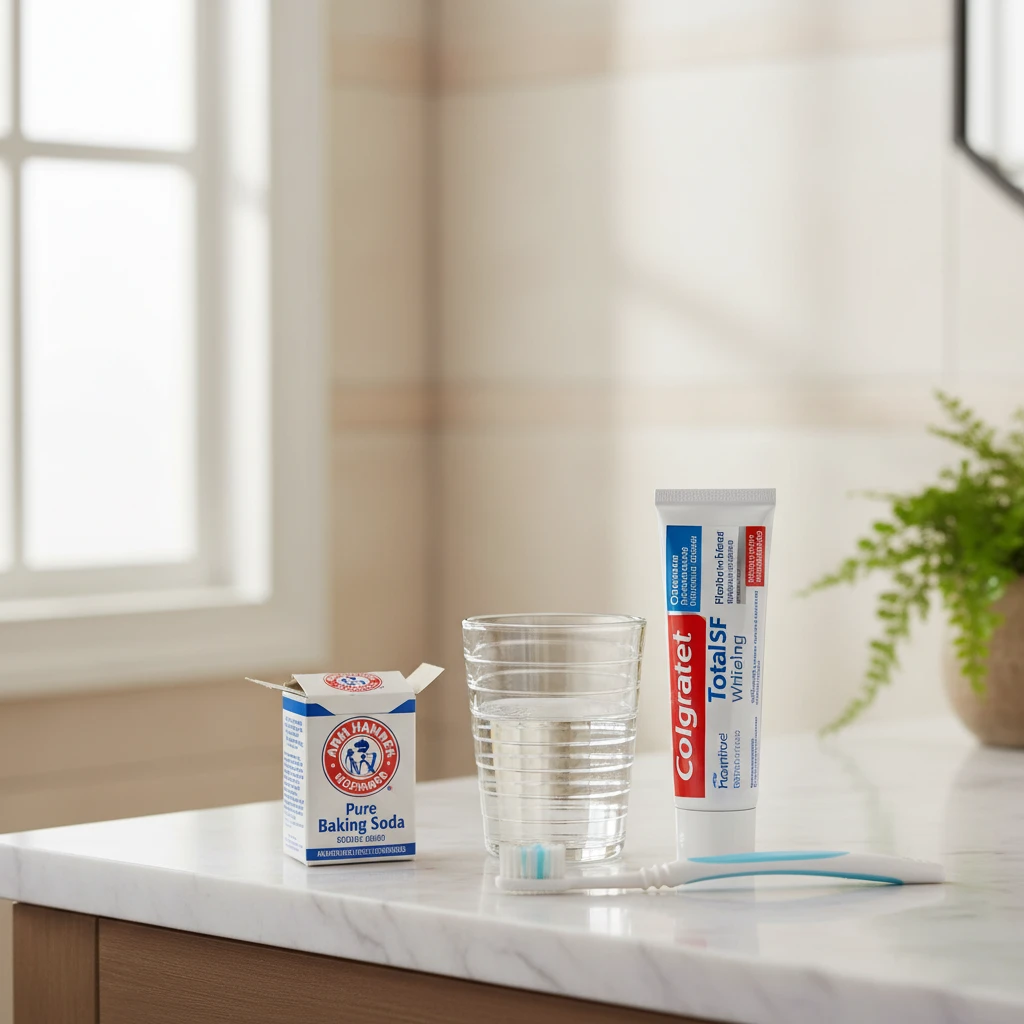
Immediately after purging, rinse the mouth to neutralize the pH. Water is good, but a basic solution is better. Rinse with:
- A teaspoon of baking soda dissolved in water.
- A fluoride mouthwash (alcohol-free).
- Plain water (if nothing else is available).
Hydration and Fluoride
Sip water frequently to combat dry mouth. Use a high-fluoride toothpaste (prescribed by a dentist) to help harden the softened enamel. Products containing Casein Phosphopeptide-Amorphous Calcium Phosphate (CPP-ACP), such as GC Tooth Mousse, can also help remineralize teeth and are available in New Zealand pharmacies or dental clinics.
Dental Repair Options and Funding in NZ
Repairing the long-term effects of bulimia on teeth is often complex and expensive. The approach depends on the severity of the erosion. In New Zealand, navigating the funding landscape is also a critical part of the process.
Restorative Treatments
Composite Bonding: For mild erosion, tooth-colored resin can be bonded to the teeth to restore shape and cover sensitive dentin. This is the most affordable option but may need replacement over time.
Veneers: Thin shells of porcelain cover the front of the teeth. These are excellent for aesthetics but require some existing enamel to bond to.
Crowns: For severe erosion where significant tooth structure is lost, full crowns (caps) are necessary to protect the remaining tooth and restore bite function.
Root Canals: If the erosion has reached the nerve, a root canal may be required to save the tooth.
Navigating Costs and Funding in New Zealand
Dental care for adults in New Zealand is largely private and can be costly. However, there are avenues for assistance:
Work and Income (MSD): If you are on a low income or a benefit, you may be eligible for a Special Needs Grant for emergency dental treatment (usually pain relief or extractions). While this is capped (often around NZD $300-$1000 depending on circumstances), it can help with immediate acute issues. In some cases, recoverable assistance payments (loans) can be accessed for more extensive work.
ACC (Accident Compensation Corporation): Generally, ACC covers dental injuries caused by accidents. Damage from eating disorders is considered a medical condition, not an accident, so ACC typically does not cover bulimia-related dental repair. However, if a tooth breaks due to an external force, it is worth inquiring, though approval is rare for erosion-based weakening.
Hospital Dental Services: Te Whatu Ora (Health New Zealand) provides hospital dental services. These are usually reserved for Community Service Card holders with high medical needs or complex medical conditions. Severe eating disorders may sometimes qualify for referral if the dental health is impacting overall medical stability, but waitlists are long.
University Dental Schools: The University of Otago Faculty of Dentistry (Dunedin and their Auckland clinic) offers treatment at reduced rates by student dentists under supervision. This is a viable option for comprehensive restorative work at a lower cost.

People Also Ask
Can teeth recover from bulimia damage?
Enamel that has been eroded cannot grow back; the damage is permanent. However, the health of the gums can improve, and dental restoration (bonding, veneers, crowns) can repair the function and appearance of the teeth once the purging behaviors have ceased or decreased.
Why do my teeth look see-through after purging?
Teeth look translucent because the opaque, white outer layer of enamel has been dissolved by stomach acid. You are seeing the thinning edge where light passes through, lacking the dense dentin backing found in the center of the tooth.
How long after purging should I wait to brush my teeth?
You should wait at least 60 minutes. Brushing sooner rubs the acid into the softened enamel, accelerating erosion. Rinse with water or a baking soda solution immediately, but delay brushing.
Does ACC cover dental repair for eating disorders in NZ?
Typically, no. ACC covers dental injuries resulting from accidents (like a fall or sports injury). Damage from bulimia is classified as a medical illness outcome, which falls under the public health system or private cost, rather than accident compensation.
What are “bulimia teeth”?
“Bulimia teeth” is a colloquial term describing the characteristic wear patterns seen in chronic purging: yellowing, translucency at the edges, worn-down or chipped biting surfaces, and erosion primarily on the back of the upper front teeth.
How can I fix acid erosion on my teeth?
Fixing acid erosion requires professional dental treatment. Options range from composite bonding for minor wear to porcelain veneers or full crowns for severe structural loss. A dentist will assess the severity to recommend the best restorative plan.