The primary difference between anorexia nervosa and orthorexia nervosa lies in the motivation behind the disordered eating. While anorexia is driven by an intense fear of weight gain and a focus on restricting food quantity, orthorexia is characterized by an obsessive fixation on food quality, purity, and “clean” eating to achieve perfect health.
While both conditions are serious eating disorders that can lead to severe malnutrition and social isolation, understanding the distinct psychological drivers is crucial for effective diagnosis and treatment. In the landscape of eating disorder recovery in New Zealand, distinguishing between these two presentations ensures that patients receive the specific cognitive and nutritional support required for their unique anxieties.
Orthorexia vs. Anorexia: The Core Motivational Differences
When analyzing the difference between anorexia and orthorexia, clinicians look past the physical symptoms to the underlying thoughts governing the behavior. Both disorders involve restriction, but the intent of that restriction varies significantly.
Anorexia Nervosa is predominantly focused on body image, weight, and size. An individual suffering from anorexia restricts their caloric intake because they are terrified of gaining weight or perceive themselves as overweight, regardless of their actual BMI. The goal is often a specific aesthetic or a number on the scale.
Orthorexia Nervosa, a term coined by Dr. Steven Bratman in 1997, is derived from the Greek word orthos (correct) and orexis (appetite). Here, the fixation is on biological purity. A person with orthorexia restricts food not necessarily to become thin, but to feel “pure,” “healthy,” or “clean.” They may eliminate entire food groups (like gluten, dairy, sugar, or non-organic produce) because they view these foods as poisons or contaminants.
The Paradox of Health
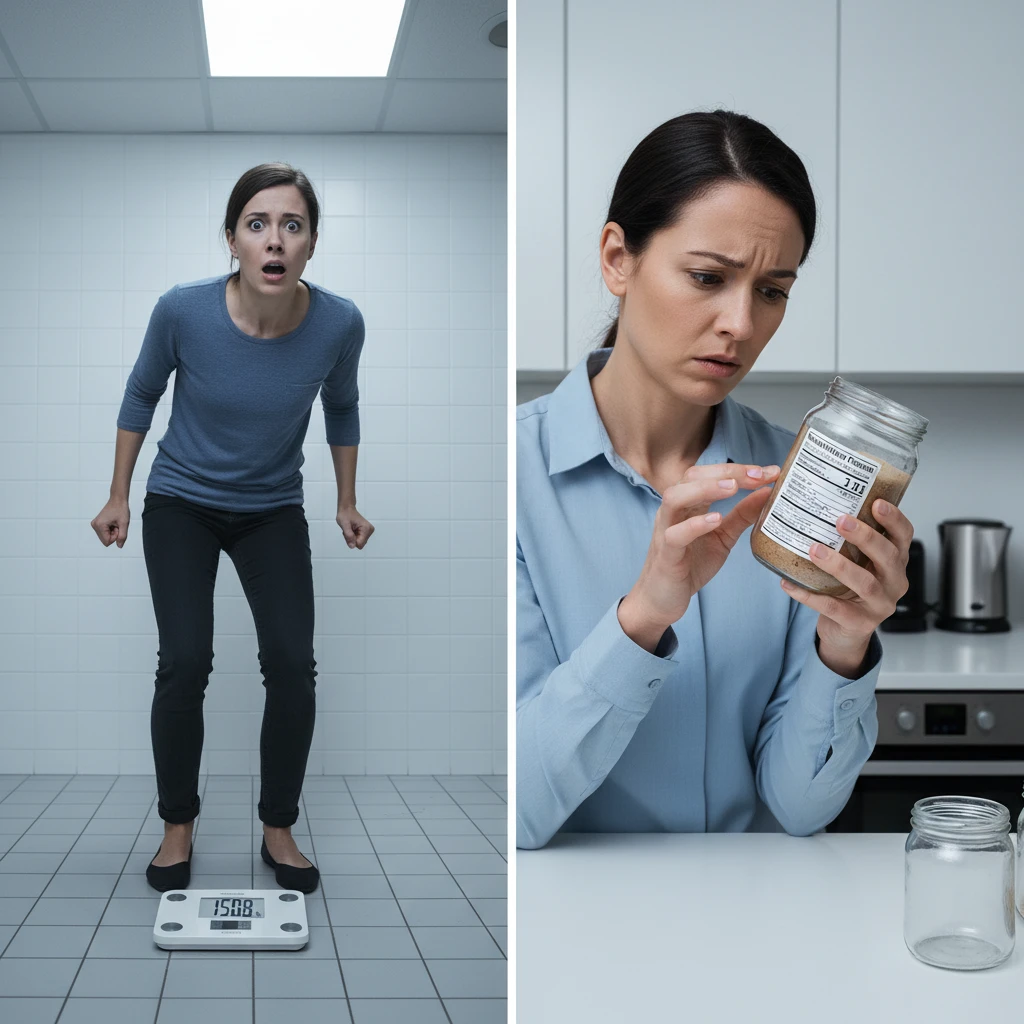
One of the most dangerous aspects of orthorexia is that it often begins as an innocent attempt to eat healthier. In New Zealand’s fitness-conscious culture, where “clean eating” is frequently promoted on social media, this disorder can easily hide in plain sight. What starts as a decision to cut out processed foods can spiral into a pathological obsession where the individual spends hours planning meals and experiences extreme guilt or panic if they consume something deemed “impure.” unlike anorexia, where the sufferer might hide their starvation, individuals with orthorexia are often vocal about their “healthy” habits, seeking validation for their discipline.
Identifying the Signs of Obsessive ‘Clean’ Eating
Recognizing the transition from healthy living to pathological obsession is vital. Orthorexia is not currently listed as a distinct diagnosis in the DSM-5 (Diagnostic and Statistical Manual of Mental Disorders), often being categorized under ARFID (Avoidant/Restrictive Food Intake Disorder) or Unspecified Feeding or Eating Disorder. However, the symptoms are distinct and debilitating.
Common Behavioral Indicators
- Compulsive Checking: Spending excessive time scrutinizing ingredient lists and nutritional labels for preservatives, additives, or “unhealthy” macros.
- Cutting Out Food Groups: Progressively eliminating foods. It might start with sugar, then move to carbohydrates, then dairy, then all cooked foods, eventually leaving a dangerously narrow range of “safe” foods.
- Emotional Distress: Experiencing intense anxiety, shame, or self-loathing after eating a food considered “bad” or “dirty.”
- Ritualistic Eating: Particular ways of preparing food to ensure it isn’t “contaminated” by unhealthy ingredients.

Clinical Comparison: Body Image vs. Health Anxiety
To fully grasp the difference between anorexia and orthorexia, we must examine the role of body image. In anorexia nervosa, body dysmorphia is a central feature; the sufferer sees a distorted version of themselves in the mirror. Their self-worth is inextricably tied to their weight.
In orthorexia, body image may play a role, but it is secondary to the sensation of physical purity. An orthorexic individual might feel superior to others who eat “junk” food. However, as the disorder progresses, the physical consequences often mirror anorexia. Because the list of “safe” foods becomes so small, the individual inevitably fails to consume enough calories and nutrients, leading to weight loss, amenorrhea (loss of menstruation), and electrolyte imbalances.
The “Wellness” Trap
The wellness industry often inadvertently fuels orthorexia. Marketing terms like “detox,” “superfood,” and “clean eating” validate the orthorexic mindset. While an anorexic patient might drink diet soda to suppress appetite (despite it being artificial), an orthorexic patient would likely refuse it because of the artificial sweeteners, opting instead for nothing, or perhaps organic water, to maintain purity.
The Social Impact of Rigid Dietary Rules
Eating disorders are diseases of isolation, and this is true for both anorexia and orthorexia, though the mechanism of isolation differs.
For someone with anorexia, social situations involving food are avoided to hide the lack of consumption. They fear being watched or judged for how little they eat. Conversely, someone with orthorexia avoids social dining because they cannot control the ingredients. They fear the food is prepared with the “wrong” oils, or that the vegetables aren’t organic.

In the context of New Zealand culture, where food is often central to social connection—from summer BBQs to cafe culture—this rigidity can be devastating. Relationships suffer as the individual refuses dinner invitations, brings their own Tupperware to weddings, or judges friends for their food choices. The rigid rules make spontaneity impossible, shrinking the individual’s world until it contains only them and their food rules.
Recovery Strategies and Treatment in New Zealand
Recovering from orthorexia requires a nuanced approach that differs slightly from standard anorexia treatment. Because the patient often believes their behavior is “healthy,” they may be more resistant to the idea that they are sick. They often view treatment as an attempt to make them “unhealthy.”
Cognitive Behavioral Therapy (CBT)
CBT is the gold standard for treating eating disorders. For orthorexia, the focus is on challenging the “magical thinking” regarding food purity. Therapists work to dismantle the belief that certain foods are dangerous or that self-worth is determined by the quality of one’s diet. Exposure therapy is also used, where patients are gradually reintroduced to “fear foods” to prove that consuming them does not lead to catastrophic health outcomes.
Nutritional Rehabilitation
Working with a specialized dietitian is non-negotiable. In New Zealand, dietitians specializing in eating disorders (often found through EDANZ or private practice) help patients move away from rigid rules toward “intuitive eating.” The goal is to normalize all foods, removing the moral labels of “good” and “bad.”

Seeking Help in New Zealand
If you or a whānau member are struggling, early intervention is key. New Zealand offers several pathways for help:
- GP Referral: The first step is often a visit to a General Practitioner who can monitor physical stability and refer to mental health services.
- EDANZ (Eating Disorders Association of New Zealand): A crucial support network for parents and carers, providing resources and guidance.
- Private Specialists: Many psychologists and dietitians in NZ specialize in the intersection of orthorexia and anorexia.
Recovery involves rediscovering that food is not just fuel or medicine, but also a source of joy, culture, and connection. Breaking free from the prison of “perfect” eating allows for a life that is truly healthy—mentally, physically, and socially.
People Also Ask
Can you have both anorexia and orthorexia?
Yes, it is possible for the disorders to overlap or for an individual to transition from one to the other. A person may start with orthorexia (focusing on purity) and, as they lose weight, develop the fear of weight gain associated with anorexia. Conversely, someone in recovery from anorexia may latch onto “clean eating” as a socially acceptable way to continue restricting, developing orthorexia.
Is orthorexia considered a mental illness in the DSM-5?
Currently, Orthorexia Nervosa is not formally recognized as a standalone diagnosis in the DSM-5. It is typically diagnosed under “Other Specified Feeding or Eating Disorder” (OSFED) or Avoidant/Restrictive Food Intake Disorder (ARFID). However, it is widely recognized by clinicians and eating disorder specialists as a serious and distinct condition requiring treatment.
What are the physical dangers of orthorexia?
Despite the focus on “health,” orthorexia can lead to severe malnutrition. By cutting out entire food groups (like grains, dairy, or fats), sufferers risk anemia, osteoporosis (bone density loss), hormonal imbalances, slow heart rate (bradycardia), and a weakened immune system. In severe cases, the physical deterioration is identical to that of anorexia.
How do I talk to a friend who might have orthorexia?
Approach them with compassion and without judgment. Focus on their behaviors and mood rather than their weight or food. You might say, “I’ve noticed you seem really anxious about food lately and you aren’t coming out to dinner with us anymore. I’m worried about you.” Avoid debating nutritional facts; focus on how the obsession is affecting their life and happiness.
Does clean eating always lead to orthorexia?
No. Many people eat “clean” or follow specific diets without developing an eating disorder. The difference lies in flexibility and distress. A healthy eater can adapt when a specific food isn’t available and doesn’t feel psychological terror at the thought of eating a cookie. Orthorexia is defined by the obsession, compulsion, and negative impact on daily functioning.
What is the treatment for orthorexia in New Zealand?
Treatment typically involves a multidisciplinary team including a psychologist, a dietitian, and a GP. Therapies like CBT (Cognitive Behavioral Therapy) and ACT (Acceptance and Commitment Therapy) are common. In New Zealand, treatment can be accessed through the public health system via DHB referrals or through private clinics specializing in eating disorders.