Diabulimia, medically referred to as ED-DMT1, is a serious eating disorder where individuals with Type 1 Diabetes deliberately reduce or omit necessary insulin doses to induce weight loss. This manipulation forces the body into a starvation state, breaking down fat for fuel and resulting in life-threatening hyperglycemia, Diabetic Ketoacidosis (DKA), and accelerated organ damage.
Type 1 Diabetes (T1D) is a complex autoimmune condition requiring 24/7 management. When the relentless demands of diabetes management intersect with body image issues and disordered eating, the result is often Diabulimia. This condition is uniquely dangerous because it weaponizes the very medication needed to sustain life—insulin—as a tool for purging calories. For patients and families in New Zealand, recognizing the early signs of diabulimia in type 1 diabetics is critical for intervening before irreversible damage occurs.
What is Diabulimia (ED-DMT1)?
Diabulimia is not yet an official diagnostic term in the DSM-5, but it is widely recognized by endocrinologists and mental health professionals as “Eating Disorder-Diabetes Mellitus Type 1” (ED-DMT1). It most commonly affects adolescents and young adults, though it can develop at any age.
To understand diabulimia, one must understand the role of insulin. Insulin is an anabolic hormone; its job is to help the body use glucose for energy and store the excess. Without insulin, glucose remains in the bloodstream and cannot enter the cells. The body, thinking it is starving, begins to break down muscle and fat for energy. This process results in rapid weight loss, but the cost is toxic blood sugar levels. For someone struggling with body image, the realization that omitting insulin leads to weight loss can be a powerful, addictive reinforcement, despite the physical agony it causes.
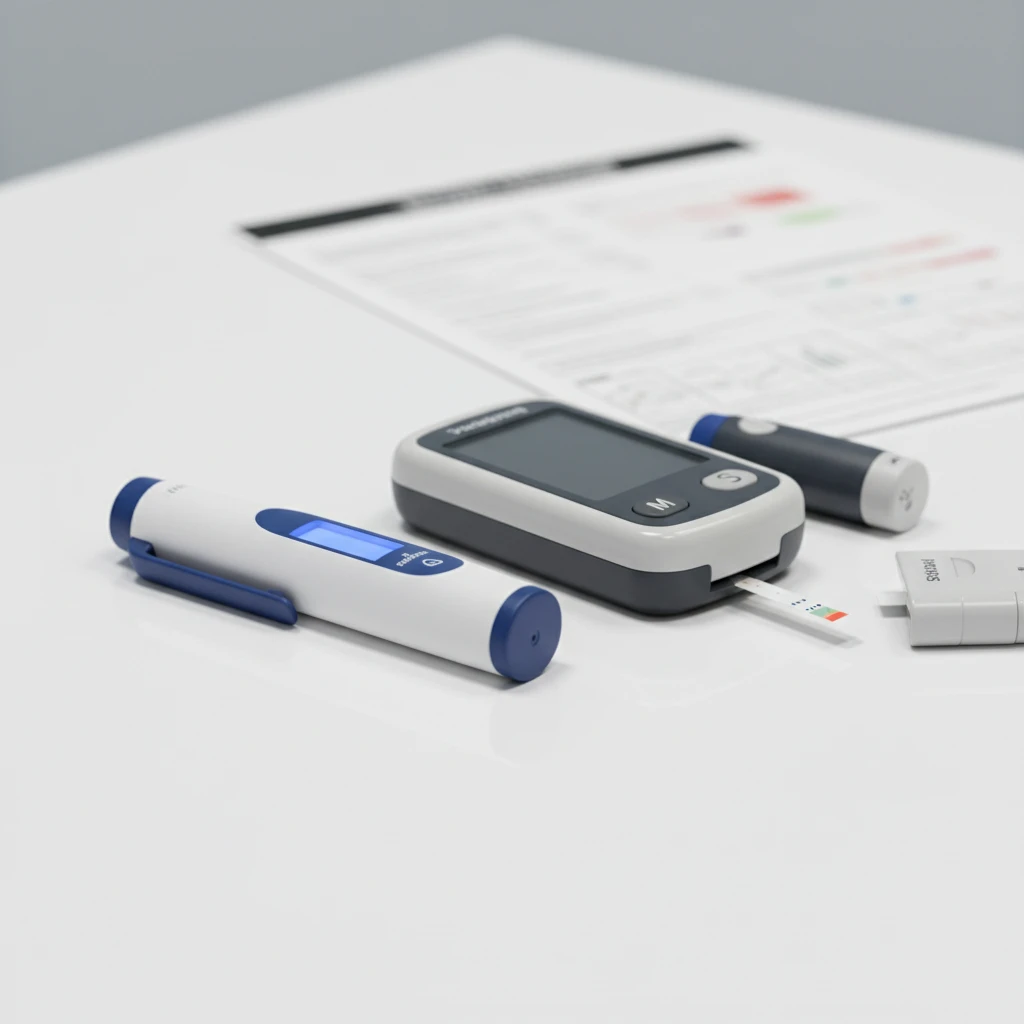
Identifying Signs of Diabulimia in Type 1 Diabetics
Detecting this condition can be challenging because many symptoms of diabulimia mimic those of poorly controlled diabetes due to other factors (like burnout or illness). However, a pattern of unexplained high blood sugars combined with weight loss is a primary red flag. Family members and clinicians in New Zealand must be vigilant in looking for the specific signs of diabulimia in type 1 diabetics outlined below.
Physical Warning Signs and Symptoms
The physical toll of insulin restriction is immediate and severe. Unlike anorexia or bulimia, where the physical damage may take time to manifest visibly, diabulimia ravages the body quickly due to the metabolic chaos of hyperglycemia.
- Rapid, Unexplained Weight Loss: Losing weight despite having a normal or increased appetite is a hallmark sign. The body is literally urinating away calories in the form of glucose.
- Persistent Thirst (Polydipsia) and Frequent Urination (Polyuria): As the body tries to flush out excess sugar, dehydration sets in.
- Chronic Fatigue and Weakness: Without insulin, cells are starved of energy, leading to exhaustion that sleep cannot cure.
- Fruity or Acetone Breath: This indicates the presence of ketones, a byproduct of fat breakdown that signals the body is becoming acidic.
- Recurrent Infections: High blood sugar creates a breeding ground for bacteria and yeast, leading to frequent thrush, bladder infections (UTIs), or slow-healing wounds.
- Blurry Vision: Fluctuating glucose levels cause the lens of the eye to swell, distorting vision.
Behavioral Indicators and Emotional Changes
The psychological aspect of ED-DMT1 is characterized by secrecy and anxiety regarding diabetes management. If a loved one suddenly becomes private about their condition after years of open management, it requires investigation.
- Avoiding Medical Appointments: Skipping visits to the diabetes clinic or Green Prescription appointments to avoid weighing in or discussing HbA1c results.
- Secrecy Regarding Blood Sugars: Hiding the glucometer, refusing to test in front of others, or fabricating numbers in a logbook.
- Fear of Hypoglycemia Treatment: Reluctance to eat sugar to treat low blood glucose (hypos) due to fear of calories.
- Discomfort Injecting in Public: A sudden refusal to take insulin around others, often claiming they “already did it” or will “do it later.”
- Mood Swings and Irritability: High blood sugars directly impact cognitive function and emotional regulation, leading to depression and anxiety.
- Hoarding Food: Similar to other eating disorders, there may be an obsession with food, cooking for others but not eating, or bingeing (which exacerbates the need for insulin they are withholding).

The Danger Zone: HbA1c and DKA
The most immediate clinical indicator of diabulimia is a consistently elevated HbA1c (glycated hemoglobin). In New Zealand, an HbA1c of over 75 mmol/mol (9.0%) in a patient who previously had good control, or persistent levels above 90 mmol/mol (10.4%) despite reported compliance, suggests insulin omission.
Diabetic Ketoacidosis (DKA) is the acute, life-threatening consequence of diabulimia. When insulin levels are critically low, the blood becomes acidic. Symptoms include severe nausea, vomiting, abdominal pain, confusion, and eventually coma. For those with diabulimia, DKA is not an accident; it is a recurring biological reality. Repeated admissions to the Emergency Department for DKA without a clear cause (like pump failure or illness) is one of the strongest signs of diabulimia in type 1 diabetics.
Long-term Complications: Retinopathy and Neuropathy
While the immediate goal of the patient may be weight loss, the long-term price is the accelerated aging of the vascular system. The complications that typically take decades to develop in T1D can appear within a few years in those with diabulimia.
Retinopathy (Eye Damage)
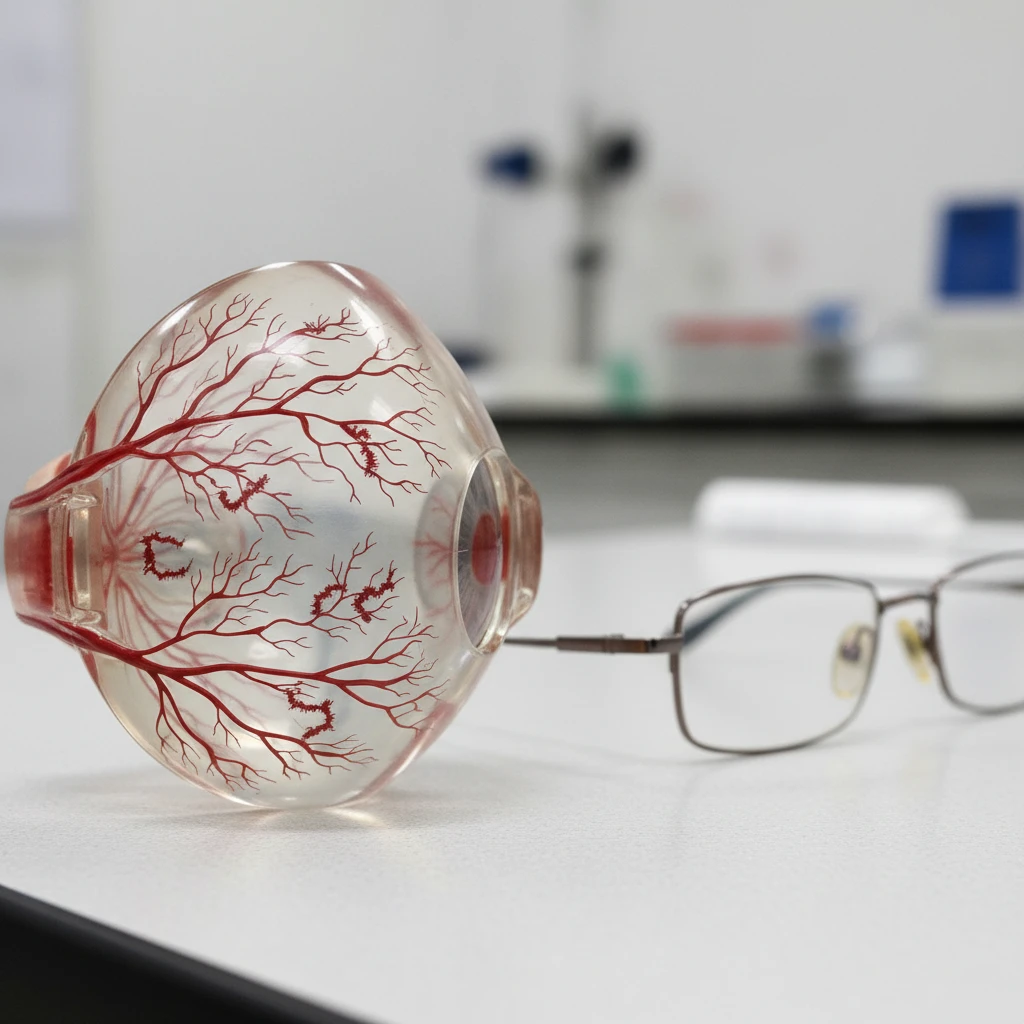
Diabetic retinopathy occurs when high blood sugar damages the tiny blood vessels in the retina. In the context of diabulimia, the rapid fluctuation of glucose levels is particularly damaging. This can lead to hemorrhages, retinal detachment, and permanent blindness. Routine eye screening, available through the NZ National Diabetes Retinal Screening programme, is often skipped by those with ED-DMT1 to avoid detection.
Neuropathy (Nerve Damage)
Peripheral neuropathy involves damage to the nerves, usually starting in the feet and hands. It manifests as tingling, burning pain, or total numbness. Gastroparesis is another form of neuropathy affecting the vagus nerve, causing the stomach to empty too slowly. Ironically, gastroparesis causes bloating and nausea, which can trigger further body image distress and perpetuate the cycle of the eating disorder.
Diabetes Specialist Support and Recovery in NZ
Recovering from diabulimia is possible, but it requires a specialized, multidisciplinary approach. Standard eating disorder protocols that focus solely on re-feeding may be dangerous if the diabetes management aspect is ignored. Conversely, standard diabetes education that focuses on strict counting and numbers can trigger eating disorder behaviors.
The Multidisciplinary Team
In New Zealand, effective treatment typically involves a collaboration between mental health services and diabetes specialist centers. The core team should include:
- Endocrinologist/Diabetologist: To manage the physical re-introduction of insulin. Re-starting insulin can lead to “edema” (fluid retention), which can be terrifying for the patient. A specialist knows how to titrate doses slowly to minimize this.
- Psychologist/Psychiatrist: Preferably one with experience in both EDs and chronic illness. Therapies like CBT (Cognitive Behavioral Therapy) and DBT (Dialectical Behavior Therapy) are often used to address the underlying emotional distress.
- Specialist Dietitian: A dietitian helps the patient make peace with food and carbohydrates, moving away from rigid counting where possible, and establishing a meal plan that stabilizes blood glucose without restriction.
Where to Find Help in New Zealand
If you recognize the signs of diabulimia in type 1 diabetics in yourself or a loved one, immediate action is required. The New Zealand healthcare system offers several pathways:
- GP Referral: Start with your General Practitioner. They can refer you to your local DHB’s (Te Whatu Ora) Eating Disorder Service and Diabetes Service.
- EDANZ (Eating Disorders Association of NZ): EDANZ provides support, resources, and guidance for families navigating the system. They can help connect you with specialists who understand the dual diagnosis.
- Diabetes NZ: While primarily focused on diabetes, they offer community support and can link patients to local support groups where they might find peer understanding, though specific ED support is specialized.
- Private Practice: There are private psychologists and dietitians in NZ who specialize in the psychology of diabetes.

Frequently Asked Questions
Can diabulimia be cured completely?
Yes, full recovery is possible. However, because Type 1 Diabetes is a lifelong condition, “recovery” often means developing a healthy relationship with insulin and food, rather than the condition disappearing. Continued support is often needed to maintain this balance.
Why does taking insulin cause weight gain?
Insulin is a storage hormone. When you treat high blood sugar with insulin, your body processes the glucose and stores it as energy (fat or muscle) rather than urinating it out. Additionally, when blood sugars stabilize, the body rehydrates, which can cause temporary fluid weight gain.
Is diabulimia considered a form of self-harm?
Yes, many mental health professionals classify diabulimia as a form of non-suicidal self-injury (NSSI) or self-harm, as the individual is knowingly inflicting damage on their body to cope with emotional distress or body image distortion.
How do I talk to my child if I suspect they are skipping insulin?
Approach the conversation with empathy, not accusation. Focus on their feelings and the stress of diabetes management rather than the numbers or weight. Say, “I’ve noticed you seem really down and tired lately,” rather than “Why is your HbA1c so high?” Seek professional guidance immediately.
What is the difference between diabulimia and anorexia?
While they share the drive for thinness, diabulimia is specific to Type 1 Diabetes and involves insulin omission. Anorexia typically involves calorie restriction and over-exercise. A person can have both, but the medical risks of diabulimia (DKA) are more immediately lethal.
Are there inpatient treatment centers for diabulimia in NZ?
New Zealand has inpatient units for eating disorders (such as in Auckland, Wellington, and Christchurch). While there are no facilities exclusively for diabulimia, these units work in conjunction with hospital diabetes teams to manage the patient’s dual needs.