Anorexia tardive refers to the onset of anorexia nervosa or significant restricted eating behaviors manifesting in late adulthood. Unlike physiological anorexia of aging, which is a natural decrease in appetite, anorexia tardive symptoms are driven by psychological factors, body image distortion, or a desire for control amidst life changes such as grief or loss of autonomy.
While eating disorders are frequently associated with adolescence, the geriatric population is increasingly vulnerable to late-onset conditions. Often overlooked or misdiagnosed as natural aging, depression, or dementia, anorexia tardive symptoms require specialized attention. In the context of New Zealand’s aging population, understanding the distinction between a natural decline in appetite and a clinical eating disorder is vital for whānau, caregivers, and medical professionals.
What is Anorexia Tardive?
Anorexia tardive, often referred to as late-onset anorexia nervosa, is a serious mental health condition affecting older adults. It is characterized by a deliberate restriction of energy intake, an intense fear of gaining weight, and a disturbance in how one’s body weight or shape is experienced. However, in the elderly, the presentation can differ significantly from younger patients.
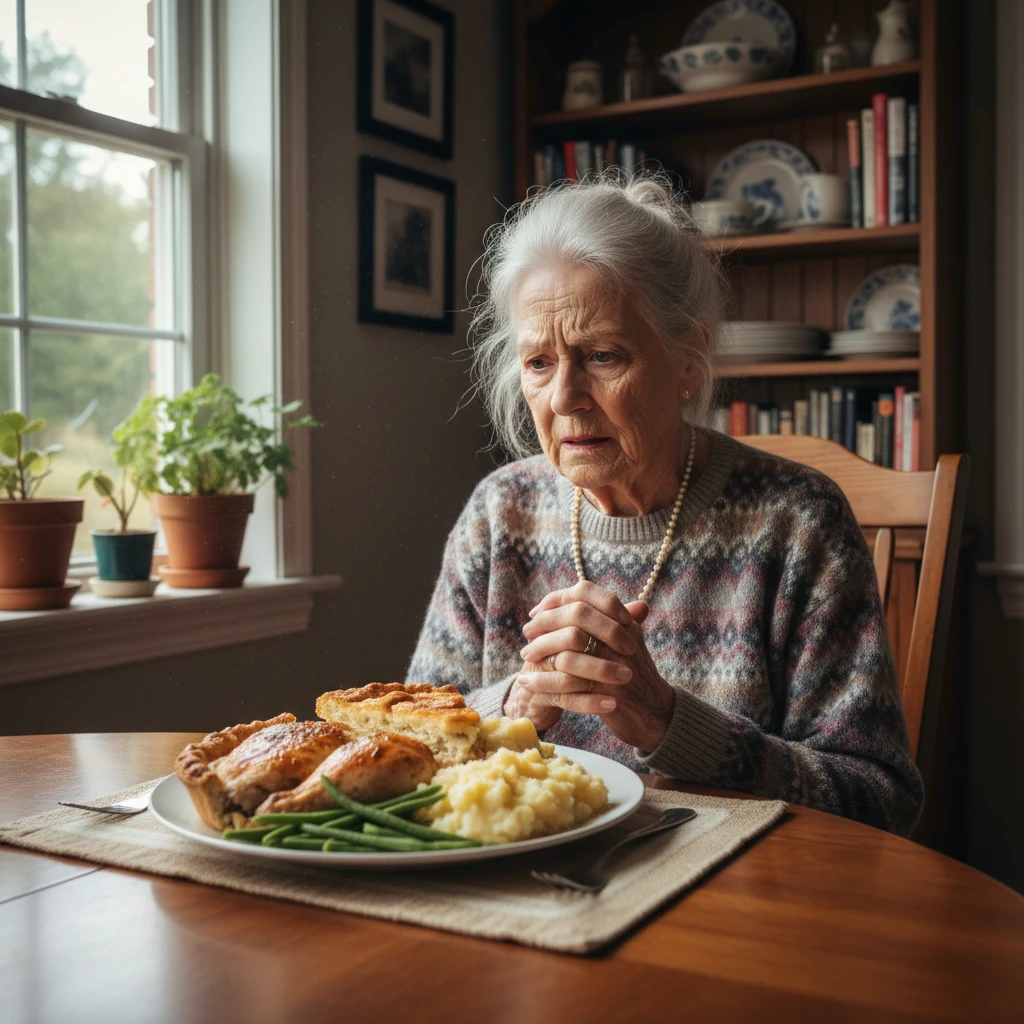
In older adults, the “drive for thinness” might be less verbalized than in teenagers. Instead, the disorder often manifests as a mechanism to cope with the loss of control associated with aging. As the body becomes frailer and external circumstances (like retirement or bereavement) change, controlling food intake becomes a way to regain a sense of autonomy.
Recognizing EDs in Seniors vs Normal Aging
One of the greatest challenges in geriatric care is distinguishing between the physiological “anorexia of aging” and a psychiatric eating disorder. Understanding this nuance is critical for early intervention.
Physiological Anorexia of Aging
As humans age, physiological changes naturally lead to reduced food intake. This is known as the “anorexia of aging” and includes:
- Decreased Metabolic Rate: Seniors require fewer calories than active younger adults.
- Sensory Changes: A reduction in taste and smell sensitivity can make food less appealing.
- Satiety Signals: Hormonal changes (such as increased cholecystokinin) cause seniors to feel fuller faster.
- Gastric Emptying: The stomach empties slower, prolonging the feeling of fullness.
In these cases, the weight loss is usually gradual, and the individual does not exhibit a psychological resistance to eating; they simply lack the hunger cue.
Pathological Anorexia (Anorexia Tardive)
In contrast, anorexia tardive involves an active refusal to eat despite nutritional needs. The key differentiator is intent. An elderly person with an eating disorder may complain of gastrointestinal distress (bloating, pain) as a rationalization for not eating, even when no medical cause exists. They may also express anxieties about cholesterol or “healthy eating” that result in the elimination of entire food groups, leading to rapid malnutrition.
Detailed Anorexia Tardive Symptoms
To identify this condition, caregivers and family members must look beyond simple weight loss. The symptoms of anorexia tardive are multifaceted, affecting behavior, physical health, and cognition.
Behavioral Symptoms
- Ritualistic Eating: Cutting food into tiny pieces or eating in a very specific order.
- Avoidance of Social Meals: Refusing to eat with family or in the dining hall of a rest home, claiming they “already ate.”
- Hoarding or Hiding Food: While less common than in teens, seniors may hide food in napkins or pockets to avoid eating it.
- Obsessive Calorie Counting: A sudden fixation on the caloric content of nutritional supplements or meals.
Physical Symptoms
- Rapid Weight Loss: Losing weight faster than what is expected for their age or medical condition.
- Dental Issues: Erosion of enamel from vomiting (if purging is present) or ill-fitting dentures due to gum shrinkage from malnutrition.
- Gastrointestinal Issues: Chronic constipation, bloating, or abdominal pain used as an excuse to skip meals.
- Hypothermia: Complaining of being cold constantly due to the loss of insulating body fat.

Grief, Loneliness and Loss of Appetite
The psychological landscape of the elderly is fertile ground for the development of eating disorders. In New Zealand, where the population of those over 65 is growing, issues of isolation are prevalent.
The Impact of Bereavement
The death of a spouse is a primary trigger for anorexia tardive. Cooking and eating are often communal acts; when a partner passes, the surviving spouse may lose the motivation to prepare meals. This “widow/widower effect” can morph from depressive loss of appetite into a control mechanism to manage the overwhelming grief.
Loss of Autonomy
Moving into an aged care facility or retirement village can be a traumatic transition. Seniors often feel they have lost control over their environment, their schedule, and their finances. Controlling what enters their body becomes the last bastion of autonomy. Refusing food can be a silent protest against their circumstances or a way to signal distress when words fail.
Medical Complications in the Elderly
The stakes are significantly higher for seniors with eating disorders compared to adolescents. The elderly body has less physiological reserve to withstand starvation.
Cardiovascular Compromise
Malnutrition weakens the heart muscle. In seniors, who may already have underlying cardiovascular issues, electrolyte imbalances caused by restriction or purging can lead to arrhythmias, heart failure, and sudden cardiac arrest much faster than in younger patients.
Bone Density and Falls
Osteoporosis is already a concern for the elderly. Anorexia tardive exacerbates bone density loss, dramatically increasing the risk of fractures. A hip fracture in a malnourished senior can be a terminal event due to the inability to heal and the complications of immobility.
Cognitive Mimicry
Severe malnutrition affects brain function. The cognitive symptoms of starvation—confusion, memory loss, and lack of focus—often mimic dementia. This can lead to a misdiagnosis where the patient is treated for Alzheimer’s or cognitive decline, while the underlying eating disorder goes untreated.
Nutritional Support for the Elderly
Recovering from anorexia tardive requires a gentle, medically monitored approach to refeeding. In New Zealand, this often involves a multidisciplinary team including a General Practitioner (GP), a dietitian, and a geriatrician.
Caloric Density over Volume
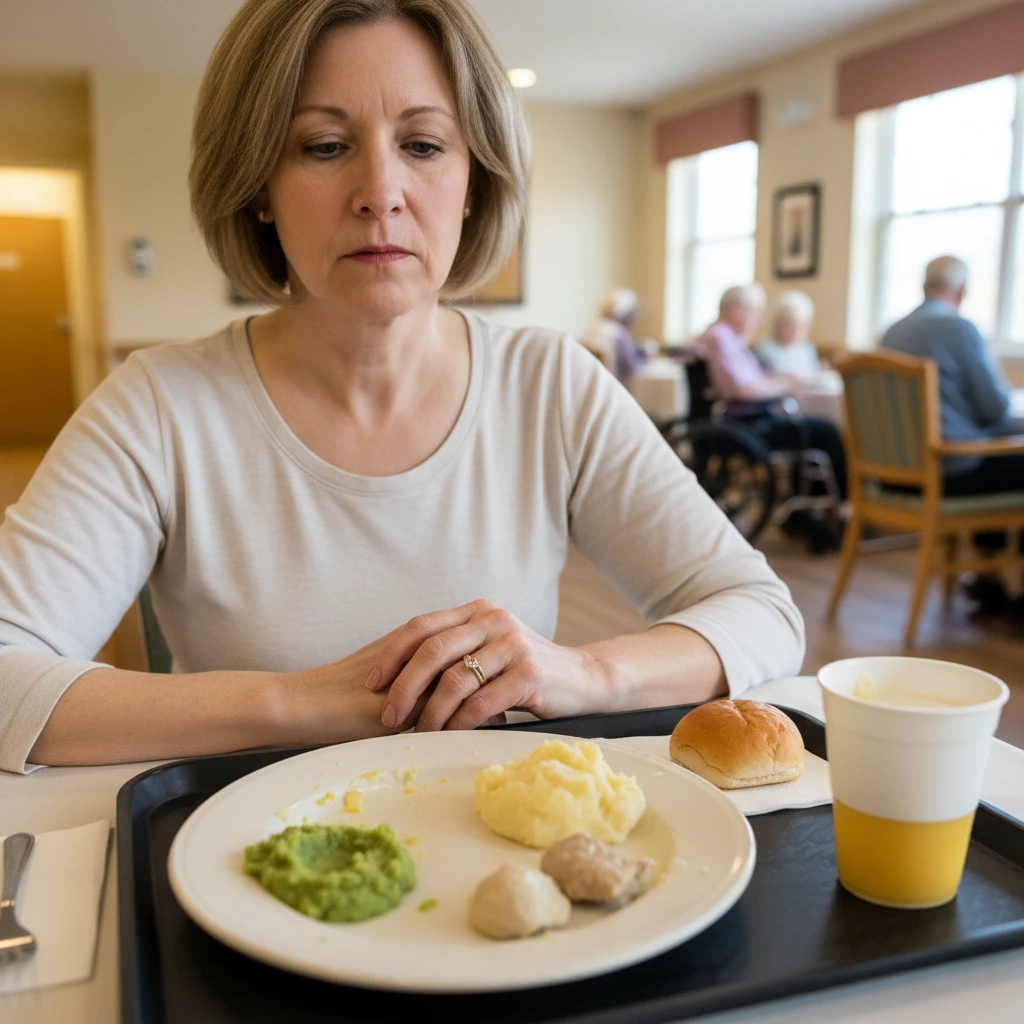
Because elderly patients often struggle with early satiety (feeling full quickly), the goal is to maximize calories in small volumes. Large plates of food can be overwhelming and trigger anxiety.
- Fortified Foods: Adding cream, butter, or milk powder to soups and porridges.
- Texture Modification: Soft foods require less energy to chew and digest, which can encourage intake.
- Liquid Nutrition: Medical grade supplements (such as Fortisip or Ensure) are often prescribed in NZ to bridge the nutritional gap without the psychological burden of a “meal.”
Routine and Environment
Establishing a rigid structure can help reduce anxiety. Eating at the exact same times daily helps the body regulate hunger signals. Furthermore, the environment should be warm and distraction-free. For those in care, “protected mealtimes”—where medical rounds and cleaning are paused—allow the patient to focus entirely on nutrition.
Aged Care and Eating Support in New Zealand
For families in New Zealand, navigating the support system is the next step. If you suspect a loved one is suffering from anorexia tardive symptoms, the first port of call is usually the GP, who can refer to specialized geriatric mental health services.
The Role of Rest Homes and Hospitals
Aged care facilities play a crucial role in monitoring. Staff are trained to record food intake and fluid balance. However, due to staffing ratios, subtle signs of food hiding can be missed. Families should advocate for:
- Supervised Meals: Ensuring a staff member sits with the resident to provide encouragement.
- Weight Monitoring: Blind weighing (where the patient doesn’t see the number) can be helpful to track progress without triggering body image anxiety.
- Collaborative Care Plans: Involving the family in menu selection to include comfort foods that may have positive nostalgic associations.
Organizations like EDANZ (Eating Disorders Association of New Zealand) provide resources and support for families navigating these complex conditions. Recovery is possible at any age, but it requires patience, compassion, and a recognition that the eating disorder is often a symptom of deeper emotional pain.

Frequently Asked Questions
What is the difference between anorexia and anorexia of aging?
Anorexia nervosa (including anorexia tardive) is a psychological disorder characterized by an intense fear of weight gain and body image distortion. Anorexia of aging is a physiological process where appetite naturally decreases due to slower metabolism, hormonal changes, and reduced sensory perception, without the psychological drive to be thin.
Can dementia cause eating disorder symptoms?
Yes. Dementia can lead to forgetting to eat, losing the ability to recognize food, or changes in taste preferences. However, this is distinct from an eating disorder where the refusal to eat is intentional or driven by body image issues, although the two conditions can coexist.
How do I treat anorexia in the elderly?
Treatment involves a multidisciplinary approach: medical stabilization to treat malnutrition, nutritional rehabilitation (often with supplements), and psychological support to address underlying triggers like grief or depression. In New Zealand, this is often coordinated through a GP and geriatric specialists.
What are the signs of late-onset eating disorders?
Signs include rapid, unexplained weight loss, refusal to eat with others, obsession with food quality or calories, finding hidden food, laxative abuse, and gastrointestinal complaints that have no medical basis.
Is it too late to recover from an eating disorder in old age?
No, recovery is possible at any age. While long-standing habits can be difficult to break, elderly patients often respond well to treatment that focuses on quality of life, autonomy, and addressing emotional isolation.
Why do elderly people stop eating?
Elderly people may stop eating due to physiological factors (loss of taste, dental pain, medication side effects), psychological factors (depression, grief, anorexia tardive), or cognitive decline (dementia). Identifying the root cause is essential for proper treatment.