An eating disorder Christmas survival guide is a strategic recovery plan designed to help individuals navigate the unique stressors of the holiday season. It involves pre-planning meals to reduce anxiety, setting firm boundaries regarding body comments, and establishing a support network to maintain recovery momentum during the challenging summer holiday period in New Zealand.
Introduction: The Unique Challenge of a Kiwi Christmas
The holiday season is universally recognized as a high-stress period for those navigating eating disorder recovery. However, in New Zealand, the challenge is compounded by a specific set of cultural and environmental factors. Unlike the Northern Hemisphere, where the holidays are associated with winter layers and cozy nights, a Kiwi Christmas places recovery squarely in the spotlight of summer.
For those battling anorexia, bulimia, binge eating disorder, or ARFID, this time of year presents a “perfect storm” of triggers: the intense focus on food at Christmas lunch, the social pressure of BBQ season, and the pervasive “summer body” marketing narratives that flood our media. The disruption of routine, combined with the extended holiday shutdown of many professional support services, necessitates a robust and proactive survival guide.
Recovery does not take a holiday, but neither does the disorder. This guide is designed to empower you with practical, professional strategies to prioritize your mental health, protect your recovery, and navigate the festivities with resilience.
Navigating Christmas Lunch Anxiety
How can I manage the fear of buffet-style eating?
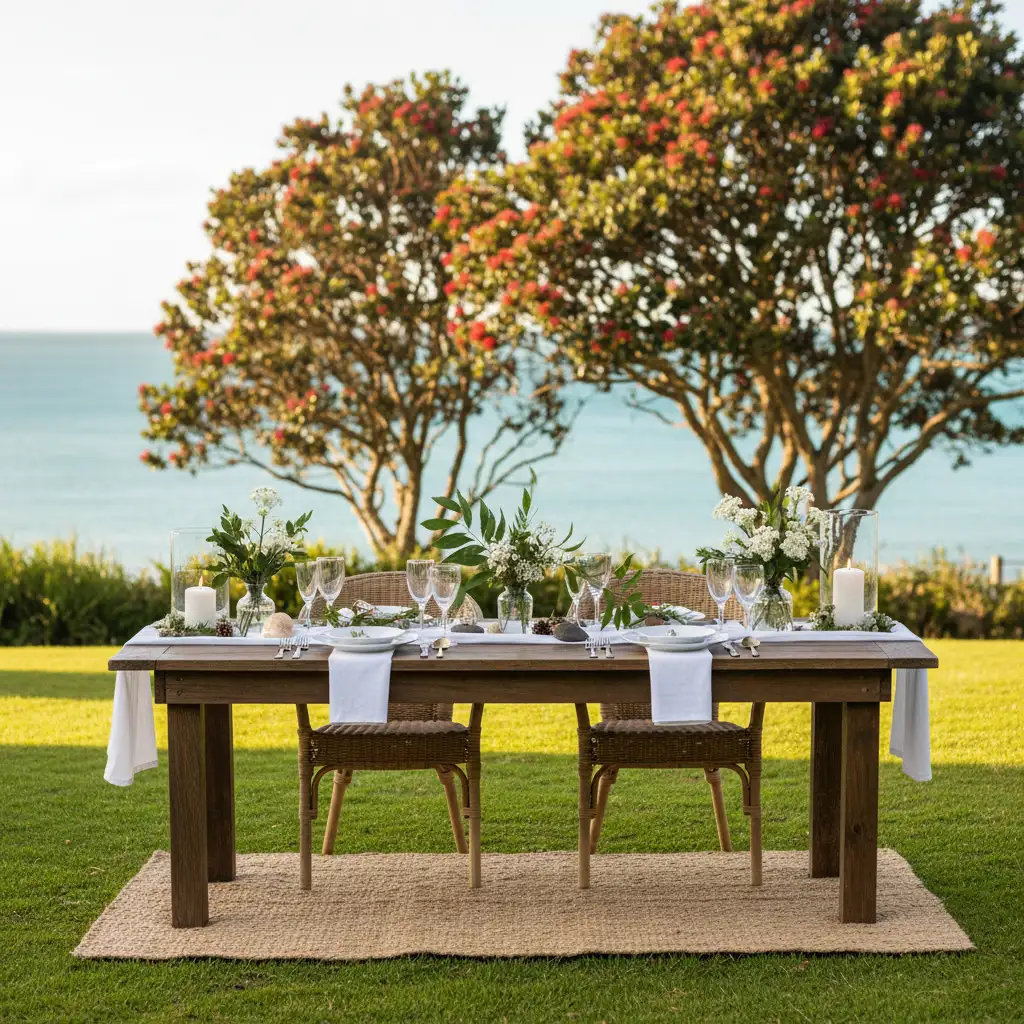
Christmas lunch in New Zealand often deviates from the formal sit-down dinners of Europe, favoring buffet-style spreads, potlucks, and BBQs. For someone with an eating disorder, the lack of portion control and the abundance of options can be paralyzing. The visual volume of food is a common trigger for anxiety and urge-led behaviors.
To manage this, preparation is your strongest ally. If you are following a meal plan, discuss with your dietician or support team how to adapt it for Christmas Day. One effective strategy is the “plate visualization” technique. Before approaching the buffet, scan the options and decide what constitutes a balanced plate according to your recovery needs—typically a combination of protein, carbohydrates, fats, and vegetables. By making the decision before you pick up the serving spoon, you reduce the cognitive load and panic at the moment of serving.
Do not fall into the trap of “saving calories” for the main meal. Restricting earlier in the day creates a biological drive to binge and increases psychological distress. Eat your regular breakfast and morning tea to keep your blood sugar stable and your rational brain online.
What if people comment on my plate?
The casual nature of Kiwi dining often leads to well-meaning but harmful comments like, “Is that all you’re having?” or “Wow, you’re hungry!” These comments are rarely about you and usually reflect the speaker’s own relationship with food. However, they can be devastating in recovery.
Prepare a “shield sentence” in advance. This is a short, neutral phrase you can use to deflect food talk without engaging in a debate. Examples include:
- “I’m sticking to what works for my body today.”
- “Everything looks delicious; I’m happy with my selection.”
- “I’d prefer to focus on the company rather than the food right now.”
Having a designated support person next to you can also be invaluable. This person can help steer the conversation away from food if they notice you becoming distressed.
Summer Body Pressure in NZ Culture
How do I handle beach anxiety and swimwear triggers?
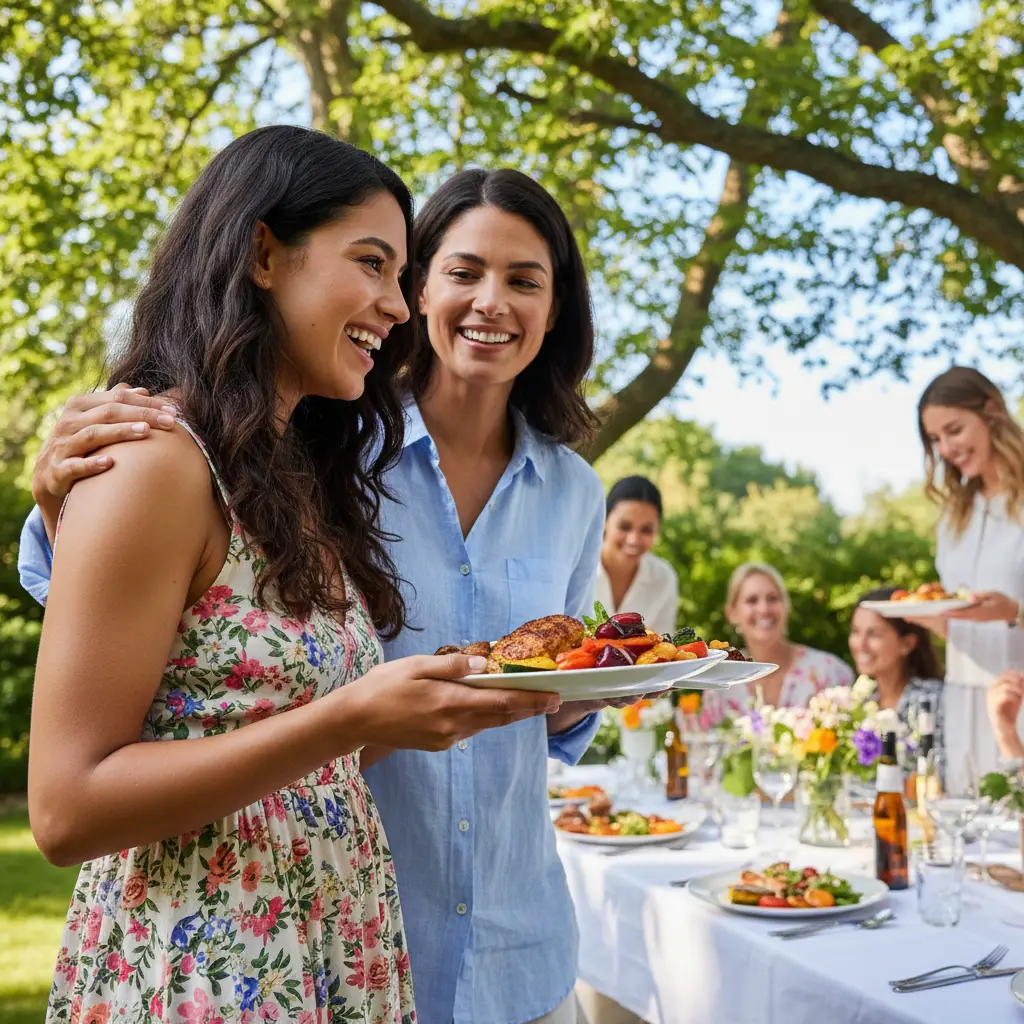
The intersection of Christmas and summer in the Southern Hemisphere creates a unique layer of body image distress. The cultural expectation to head to the beach, wear “togs” (swimwear), and engage in water sports can feel impossible for someone struggling with body dysmorphia or weight restoration changes.
It is vital to recognize that the “summer body” is a marketing construct designed to sell products, not a prerequisite for enjoying the season. Your body is an instrument for experiencing life, not an ornament to be viewed. However, intellectualizing this concept doesn’t always stop the emotional pain.
Practical strategies for body image distress include:
- Curate Your Feed: In the weeks leading up to Christmas, unfollow or mute social media accounts that promote “shredding for summer” or diet culture. Replace them with body-neutral or recovery-focused accounts.
- Prioritize Comfort: You are under no obligation to wear swimwear if it causes panic. Wear breathable, comfortable clothing like linen or cotton that allows you to participate in the heat without feeling exposed. If you do want to swim, choose swimwear that feels secure and comfortable, regardless of trends.
- Function over Form: When body checking thoughts arise, redirect your focus to what your body allows you to do—feeling the cool water, hugging a family member, or laughing at a joke. Grounding techniques that focus on tactile sensations can help pull you out of your head and back into the present moment.
Setting Boundaries with Family and Whānau
How do I stop diet talk at the dinner table?
Family gatherings are often hotbeds for “diet talk.” Relatives may discuss their latest weight loss attempts, label foods as “naughty” or “good,” or comment on others’ appearances. In the context of eating disorder treatment, this environment is toxic.
Setting boundaries is an act of self-care, not aggression. You have the right to protect your recovery environment. If you feel comfortable, you can send a message to your host or close family members prior to the event. A simple text might read: “I’m really looking forward to seeing everyone. As I’m working hard on my recovery, I’d really appreciate it if we could avoid discussing diets, weight, or portion sizes on Christmas Day. It helps me stay present and enjoy the day.”
If diet talk occurs in the moment, you have three options:
- The Pivot: Acknowledge the comment briefly and immediately change the subject. “That sounds like a big change for you. Have you seen the new exhibit at the museum?”
- The Direct Boundary: “I’m not discussing weight or diets today. Let’s talk about something else.”
- The Exit: If the conversation continues, physically remove yourself from the situation. Go to the bathroom, step outside for fresh air, or offer to help in the kitchen (if the kitchen isn’t a trigger).

Planning Support for the Holiday Shutdown
What do I do if my therapist is on holiday?
In New Zealand, the professional world often shuts down from late December to mid-January. For those in eating disorder treatment, this gap in professional support can feel frightening. The loss of weekly therapy sessions or dietician appointments removes a safety net exactly when stress levels are highest.
Pre-Holiday Planning is Essential:
- Create a Crisis Plan: Before your team goes on leave, work with them to write down a specific plan. This should include coping statements, distraction techniques, and a list of emergency contacts.
- Identify Safe People: Know exactly who you can call if you are struggling. This might be a partner, a parent, or a friend who understands your recovery goals.
- Utilize Helplines: Services like 1737 (Need to Talk?) are available 24/7 in New Zealand. EDANZ (Eating Disorders Association of NZ) also offers resources and support networks that may remain active or have specific holiday guidance.
Create a physical “Coping Box” for the holidays. Fill it with items that soothe your nervous system—fidget toys, essential oils, a letter from your healthy self to your struggling self, puzzles, or art supplies. When the urge to engage in behaviors hits, commit to using the box for 15 minutes before taking any other action.
Alcohol, Social Events, and Recovery
Alcohol is a significant part of New Zealand’s social culture, especially during the festive season. However, alcohol can be risky for those in recovery. It lowers inhibitions, which can make it harder to resist eating disorder urges, whether that be restricting, bingeing, or purging. Furthermore, for those who are nutritionally compromised, the physical effects of alcohol can be more dangerous.
Decide on your stance regarding alcohol before you arrive at an event. It is perfectly acceptable to choose non-alcoholic options. If you do choose to drink, ensure you have eaten adequate meals beforehand. Do not replace food calories with alcohol calories (drunkorexia), as this is a dangerous behavior that requires immediate professional intervention.

Practical Coping Strategies for the Day
The “After-Meal” Plan
The period immediately following a meal is often the most difficult for those with eating disorders. The physical sensation of fullness can trigger guilt, panic, and compensatory urges. Structure this time to ensure safety.
Plan a distraction for 30 to 60 minutes after eating. This needs to be an activity that requires cognitive attention but is not physically strenuous. Good examples include:
- Playing a board game or card game with family (very common in NZ holidays).
- Helping with a low-stress task like drying dishes (if not triggering).
- Calling a support person.
- Engaging in a craft or puzzle.
Compassion Over Perfection
Finally, release the expectation of a “perfect” Christmas. You might have moments where you struggle. You might have thoughts you wish you didn’t have. This does not mean you are failing recovery. It means you are navigating a complex mental illness during a high-stress environment.
If a slip occurs, practice “next right thing” thinking. Do not let a slip become a slide. One difficult meal or one behavioral lapse does not erase your progress. Pick yourself up with compassion, reach out to your support network, and recommit to your recovery at the very next opportunity.
The holidays are temporary. Your recovery is for the long term. By planning ahead, setting boundaries, and prioritizing your well-being, you can survive—and perhaps even find moments of joy—this Christmas season.
How do I handle Christmas dinner with anorexia?
Focus on pre-planning. Review the menu in advance if possible and agree on a portion plan with your support team. Sit next to a supportive relative who knows your goals. Use distraction techniques after the meal to manage the distress of fullness, and remember that one meal cannot significantly change your body weight.
What to say when family comments on my weight?
Use a “shield sentence” to set a boundary without engaging in a debate. Try saying, “I prefer not to discuss my body or weight, let’s talk about [neutral topic] instead.” If they persist, you have the right to walk away from the conversation to protect your mental health.
How to cope with summer body anxiety in NZ?
Curate your social media feed to remove diet culture triggers. Wear clothes that make you feel comfortable and safe, regardless of the heat (natural fibers help). Focus on what your body allows you to do (experience the holiday, hug family) rather than how it looks. Avoid body checking in mirrors.
Are eating disorder clinics open during Christmas in NZ?
Many private clinics and non-urgent public services close for 2-3 weeks over the Christmas/New Year period. It is crucial to ask your provider for their specific hours and obtain a list of emergency contacts or crisis lines (like 1737) to use during the shutdown.
How to support a loved one with an ED at Christmas?
Ask them beforehand what support they need. Avoid commenting on their food, portion sizes, or appearance (even compliments can be triggering). Help steer conversations away from diet talk. Be a calming presence and offer to do a low-stress activity with them after meals.
Can I drink alcohol while in ED recovery during holidays?
It is best to consult your medical team. Alcohol can lower inhibitions, increasing the risk of bingeing or purging behaviors. It can also be physically dangerous if you are malnourished. If you do drink, ensure you have eaten sufficiently and do not swap food for alcohol.