Relative Energy Deficiency in Sport (RED-S) is a syndrome resulting from low energy availability, where an athlete’s dietary energy intake is insufficient to support the energy expenditure required for health and daily living after the cost of exercise is removed. This deficit impairs physiological functions including metabolism, menstrual function, bone health, and immunity.
What is Relative Energy Deficiency in Sport (RED-S)?
For decades, the sports medicine community focused heavily on the “Female Athlete Triad,” a condition characterised by disordered eating, amenorrhea (loss of menstruation), and osteoporosis. However, in 2014, the International Olympic Committee (IOC) introduced a broader, more comprehensive term: Relative Energy Deficiency in Sport, or RED-S. This shift was critical because it acknowledged that the negative effects of under-fuelling extend far beyond just three symptoms and affect male athletes as significantly as females.
At the core of RED-S is the concept of Low Energy Availability (LEA). Energy availability is calculated as dietary energy intake minus the energy expended during exercise, normalised to fat-free mass. When an athlete consumes too few calories to match their training load, the body enters a state of energy conservation. It essentially shuts down or suppresses “non-essential” physiological processes to preserve energy for movement and survival. These suppressed systems include reproduction, bone maintenance, growth, and immunity.

It is important to distinguish that LEA can occur in two ways: intentional restriction (disordered eating or eating disorders) or inadvertent under-fuelling (simply not realising how much food is required to support high-volume training). In the context of eating disorder treatment and recovery in New Zealand, distinguishing between these causes is vital for effective intervention.
Recognising Relative Energy Deficiency in Sport Symptoms
Identifying RED-S early is crucial to preventing long-term health consequences. The symptoms are systemic, affecting the entire body rather than just one isolated system. Because high-performance culture often normalises fatigue and leanness, these red flags are frequently missed until a major injury occurs.
Physical Symptoms
The physical manifestations of RED-S are often the first to be noticed by medical professionals, though athletes may try to hide them. Key indicators include:
- Menstrual Dysfunction: In females, this ranges from irregular periods (oligomenorrhea) to the complete cessation of menstruation (amenorrhea). This is a primary sign that the body is shutting down reproductive function to save energy.
- Hormonal Imbalances in Males: Low testosterone levels, reduced libido, and morning fatigue are common in male athletes suffering from RED-S.
- Compromised Bone Health: Frequent stress fractures or stress reactions are hallmark symptoms. LEA suppresses hormones necessary for bone remodelling, leading to low bone mineral density (osteopenia or osteoporosis).
- Gastrointestinal Distress: Delayed gastric emptying, bloating, constipation, and abdominal pain are common as the digestive system slows down to conserve energy.
- Thermoregulation Issues: Athletes may report feeling cold all the time or having difficulty regulating body temperature.
Psychological Symptoms
The brain requires significant glucose to function. When energy availability drops, psychological changes are inevitable. These often overlap with symptoms of depression or anxiety:
- Irritability and mood swings.
- Inability to manage stress.
- Depressive symptoms or increased anxiety.
- Reduced concentration and coordination.
- Obsessive behaviours surrounding food and body weight.
Performance Symptoms
Ironically, many athletes restrict intake to improve performance (power-to-weight ratio), but RED-S invariably leads to a performance decline:
- Decreased endurance and muscle strength.
- Decreased training response (the athlete trains hard but sees no improvement).
- Impaired judgement and coordination, increasing acute injury risk.
- Prolonged recovery times.
The Evolution: From Female Athlete Triad to RED-S
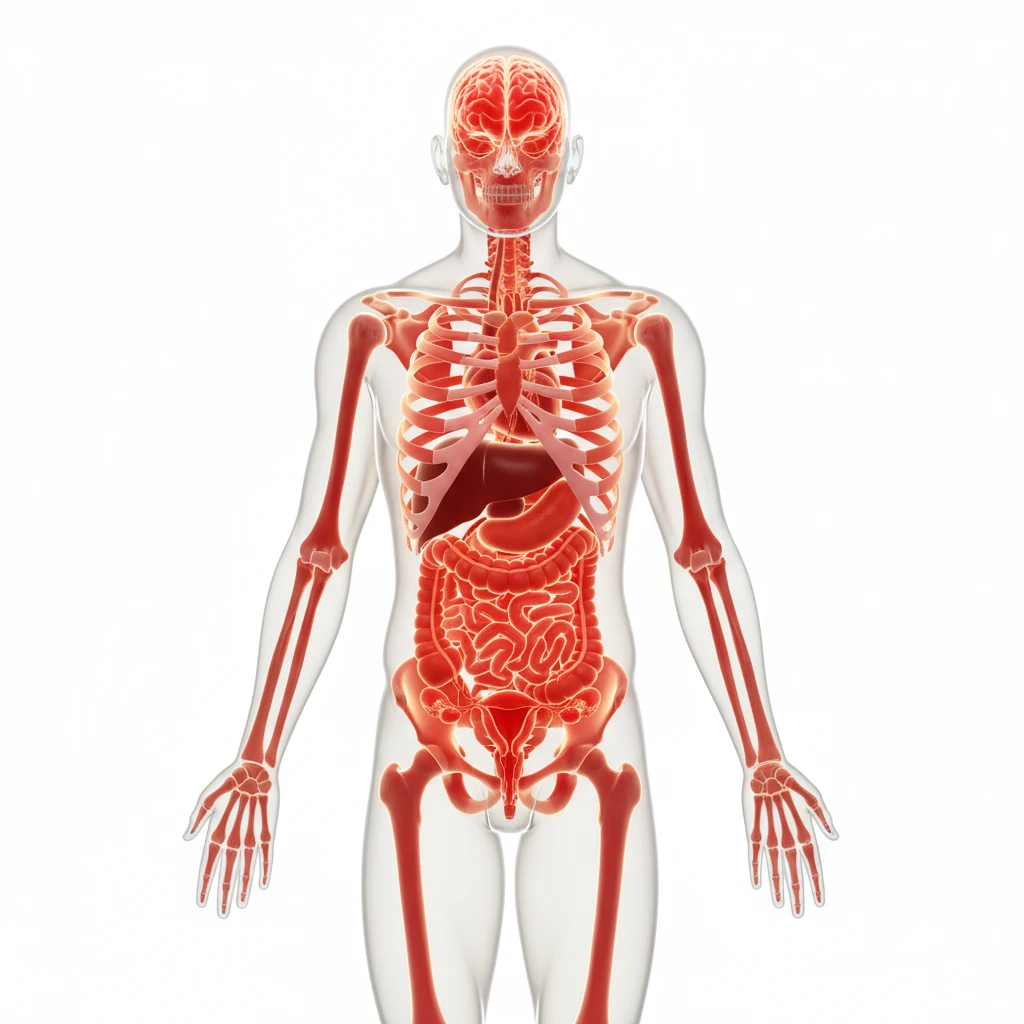
The transition from the “Female Athlete Triad” to RED-S represents a paradigm shift in sports medicine. The Triad was limited; it implied that only females were at risk and that only bone health and menstrual function were compromised. We now know that the physiological consequences of Low Energy Availability are far more widespread.
RED-S encompasses the Triad but expands the scope to include metabolic rate, immunity, protein synthesis, and cardiovascular health. Furthermore, it explicitly includes male athletes, para-athletes, and dancers. In New Zealand, where rugby, rowing, and endurance sports are popular among men, recognising that male athletes are susceptible to LEA is vital. Male cyclists, rowers, and runners are particularly at risk due to the non-weight-bearing nature of some sports combined with high energy expenditure.
Impact on Performance and Injury Risk
The most dangerous misconception in sport is that “lighter is always faster.” While there may be a temporary performance gain from weight loss, the long-term trajectory of RED-S is a sharp decline in performance and a high probability of catastrophic injury.
The Mechanism of Injury
When energy availability is low, the body alters key hormones. Cortisol (stress hormone) increases, while IGF-1 (Insulin-like Growth Factor 1) and sex hormones (estrogen/testosterone) decrease. This hormonal cocktail is disastrous for bone health. Estrogen and testosterone are critical for stimulating bone formation. Without them, bone resorption (breakdown) outpaces formation.
This leads to a high incidence of stress fractures. In New Zealand clinical practice, recurrent stress fractures in a young athlete are arguably the strongest clinical predictor of RED-S. These injuries often require months of rehabilitation, taking the athlete out of competition entirely.
Immunological and Metabolic Impact
Beyond bones, RED-S suppresses the immune system, making athletes more susceptible to viral illnesses and upper respiratory tract infections. This leads to missed training days. Metabolically, the body adapts to starvation by lowering the Resting Metabolic Rate (RMR). This means the body becomes incredibly efficient at holding onto fat stores—the exact opposite of what many athletes trying to lose weight desire. This phenomenon often leads to further restriction, creating a vicious cycle.
The Role of Sports Dietitians in NZ
Recovering from RED-S requires a multidisciplinary team, typically involving a Sports Physician, a Psychologist, and a Sports Dietitian. In New Zealand, Sports Dietitians play a pivotal role in translating the science of energy availability into practical, food-based strategies.
For athletes in New Zealand, seeking a dietitian accredited by Sports Dietitians Australia (SDA) or registered with the New Zealand Dietitians Board is recommended. These professionals assess:
- Current Energy Intake: A detailed analysis of food logs to determine caloric input.
- Training Load: calculating energy expenditure using metabolic equivalents (METs) or wearable technology data.
- Food Rules and Beliefs: Screening for disordered eating behaviours that may require psychological intervention.

The treatment goal is to reverse Low Energy Availability. This usually involves increasing energy intake by 300–600 kcal/day as a starting point. However, for athletes with eating disorders, this re-feeding process can be psychologically distressing and carries the risk of re-feeding syndrome, necessitating close medical supervision.
Advice for Coaches and Parents
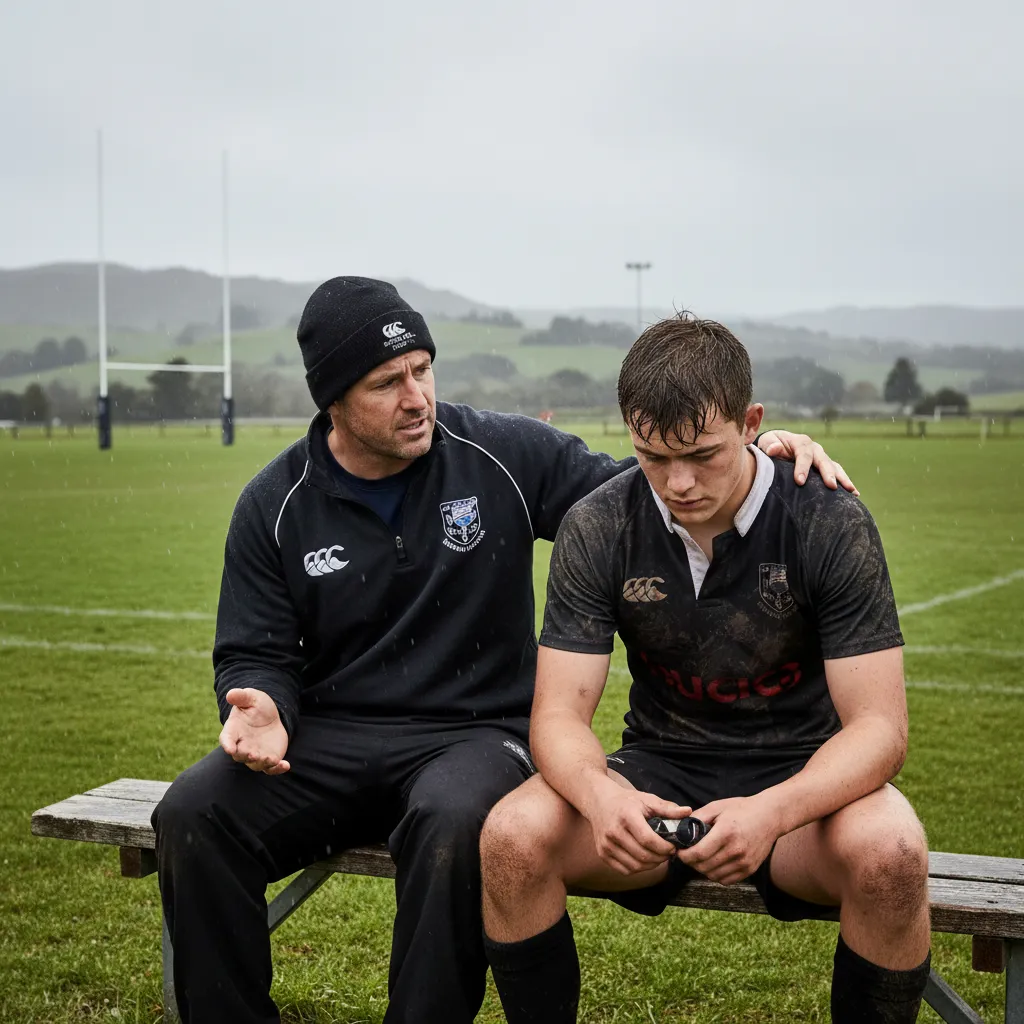
Coaches and parents are the frontline defence against RED-S. They are often the first to notice changes in mood, performance, or eating habits. Creating a supportive environment is essential for prevention and recovery.
Language Matters
Comments regarding body shape, weight, or leanness can be triggering, especially for adolescents. Focus on the function of the body rather than its appearance. Praise work ethic, technique, and strength rather than “looking fit.” Avoid public weighing or body composition testing (skinfolds) unless conducted privately by a health professional with a specific performance rationale.
Watch for Warning Signs
Be vigilant for behavioural changes:
- Is the athlete avoiding team meals?
- Are they training extra hours in secret?
- Have they become socially withdrawn?
- Are they suffering from recurrent “niggles” or minor injuries?
The “No Period, No Play” Policy
While not a formal rule in all codes, many high-performance environments are adopting a stricter stance on menstrual health. The loss of a period is not a “badge of honour” for hard training; it is a sign of physiological failure. Coaches should encourage open dialogue where athletes feel safe reporting menstrual irregularities without fear of losing their spot on the team.
Treatment and Recovery Pathways
Recovery from RED-S is not overnight. It can take weeks to restore energy balance, months to restore menstrual function, and potentially years to fully restore bone mineral density.
The Return-to-Play Model
New Zealand sports physicians often use a risk-stratification model for returning to sport. This involves:
- Red Light (High Risk): No competition or training allowed. This applies to athletes with severe eating disorders, cardiac abnormalities, or significant weight loss.
- Yellow Light (Moderate Risk): Modified training under supervision. May compete if medical markers are stable and the treatment plan is being followed.
- Green Light (Low Risk): Full participation allowed with ongoing monitoring.
Successful recovery hinges on the athlete accepting that weight gain may be a necessary component of restoring health. For those with entrenched eating disorders, this is the hardest hurdle. In the NZ context, referrals to services specializing in eating disorders are often necessary alongside sports-specific support. The focus must shift from “performance at all costs” to “health for long-term performance.”
Frequently Asked Questions
Is RED-S considered an eating disorder?
Not necessarily. While RED-S can be caused by an eating disorder (like anorexia or bulimia), it can also be caused by inadvertent under-eating. Some athletes simply do not realise how much energy they burn and fail to eat enough to compensate, without any psychological intent to restrict food.
Can male athletes get RED-S?
Yes, absolutely. Male athletes, particularly in weight-sensitive sports like cycling, rowing, running, and combat sports, are at significant risk. Symptoms in men include low testosterone, fatigue, libido loss, and bone stress injuries.
How is RED-S diagnosed?
There is no single blood test for RED-S. It is a “diagnosis of exclusion,” meaning doctors rule out other causes for the symptoms first. Diagnosis is based on a combination of clinical history, physical exams, blood tests (hormonal panels), and bone density scans (DEXA).
Will periods return immediately after eating more?
No. It often takes months of consistent energy availability for the menstrual cycle to resume. The body needs to “trust” that the famine is over before it reactivates the reproductive system.
Can you recover from bone density loss caused by RED-S?
Partial recovery is possible, but full recovery of bone density is difficult, especially if the loss occurred during adolescence (peak bone mass accrual years). This is why early detection is critical.
What supplements help with RED-S?
Supplements alone cannot fix RED-S; energy (calories) is the cure. However, doctors may prescribe Vitamin D and Calcium to support bone health. Hormone replacement (like the pill) is generally NOT recommended solely to induce a bleed, as it masks the underlying energy deficit.