Eating disorder relapse postpartum is the recurrence or intensification of disordered eating behaviors—such as restriction, bingeing, or purging—following childbirth. Triggered by hormonal fluctuations, sleep deprivation, and societal pressure to lose baby weight rapidly, it requires immediate professional intervention to protect the physical and mental health of both the mother and the infant.
What causes an eating disorder relapse postpartum?
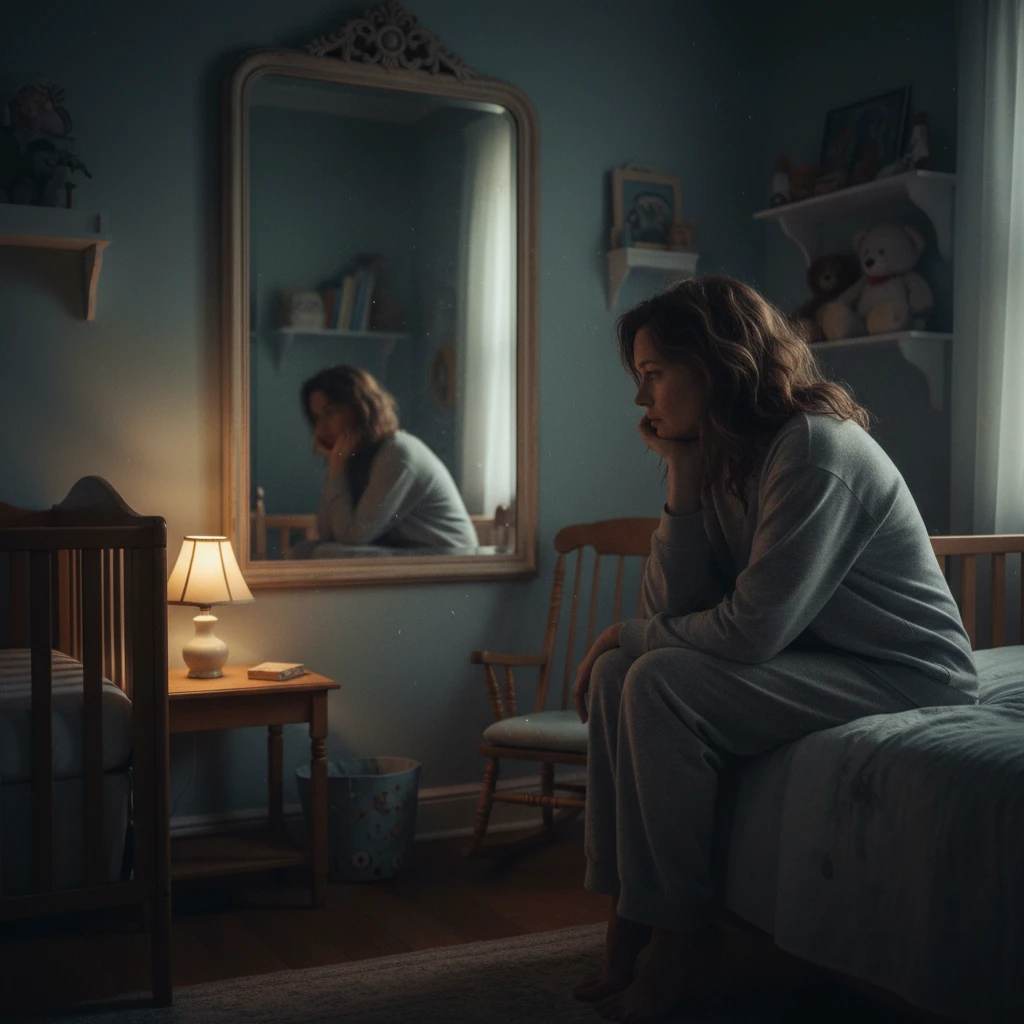
The postpartum period is recognized by clinicians as a high-risk window for the resurgence of eating disorders (EDs), even in individuals who have maintained recovery for years. The convergence of biological, psychological, and environmental factors creates a perfect storm for relapse.
Biologically, the rapid drop in estrogen and progesterone immediately after birth can destabilize mood regulation. When combined with the chronic sleep deprivation inherent in caring for a newborn, cognitive resilience decreases, making the brain more susceptible to the rigid coping mechanisms offered by disordered eating. Psychologically, the loss of autonomy and the overwhelming sense of responsibility for a new life can drive a new mother to seek control in the one area she feels she can master: her food intake and body size.
What is Pregorexia and how does it impact pregnancy?
While not a formal diagnostic term in the DSM-5, “pregorexia” is a media-coined term used to describe anorexia nervosa or extreme dieting behaviors occurring during pregnancy. This phenomenon often serves as the precursor to a full-blown eating disorder relapse postpartum.
The Conflict of Body Expansion
For individuals with a history of eating disorders, the necessary weight gain associated with a healthy pregnancy can be psychologically tormenting. The visual evidence of the body getting larger can trigger intense dysmorphia. Unlike general weight gain, pregnancy weight is functional, yet the ED voice often interprets the expanding stomach not as a baby, but as a failure of self-discipline.
Risks to Mother and Fetus
Restricting calories or over-exercising during pregnancy poses severe risks. For the fetus, it increases the likelihood of low birth weight, developmental delays, and premature birth. For the mother, it exacerbates the risk of postpartum depression, anemia, and cardiac issues. Managing these changes requires a multidisciplinary team—ideally including a high-risk obstetrician, a dietician specializing in EDs, and a therapist—to distinguish between the baby’s growth and the mother’s body dysmorphia.
How does ‘Bounce Back’ culture trigger relapse?
Society places an unrealistic and dangerous expectation on new mothers to return to their pre-pregnancy weight immediately after giving birth. This “bounce back” culture is amplified by social media, where influencers often post images of flat stomachs weeks after delivery, masking the reality of recovery, loose skin, and healing organs.
For a woman with a history of an eating disorder, these images act as competitive benchmarks. The praise she may receive for “looking great” (i.e., thin) so soon after birth reinforces the eating disorder pathology. It validates the restriction and creates a feedback loop where weight loss is prioritized over recovery from major abdominal surgery or vaginal birth.
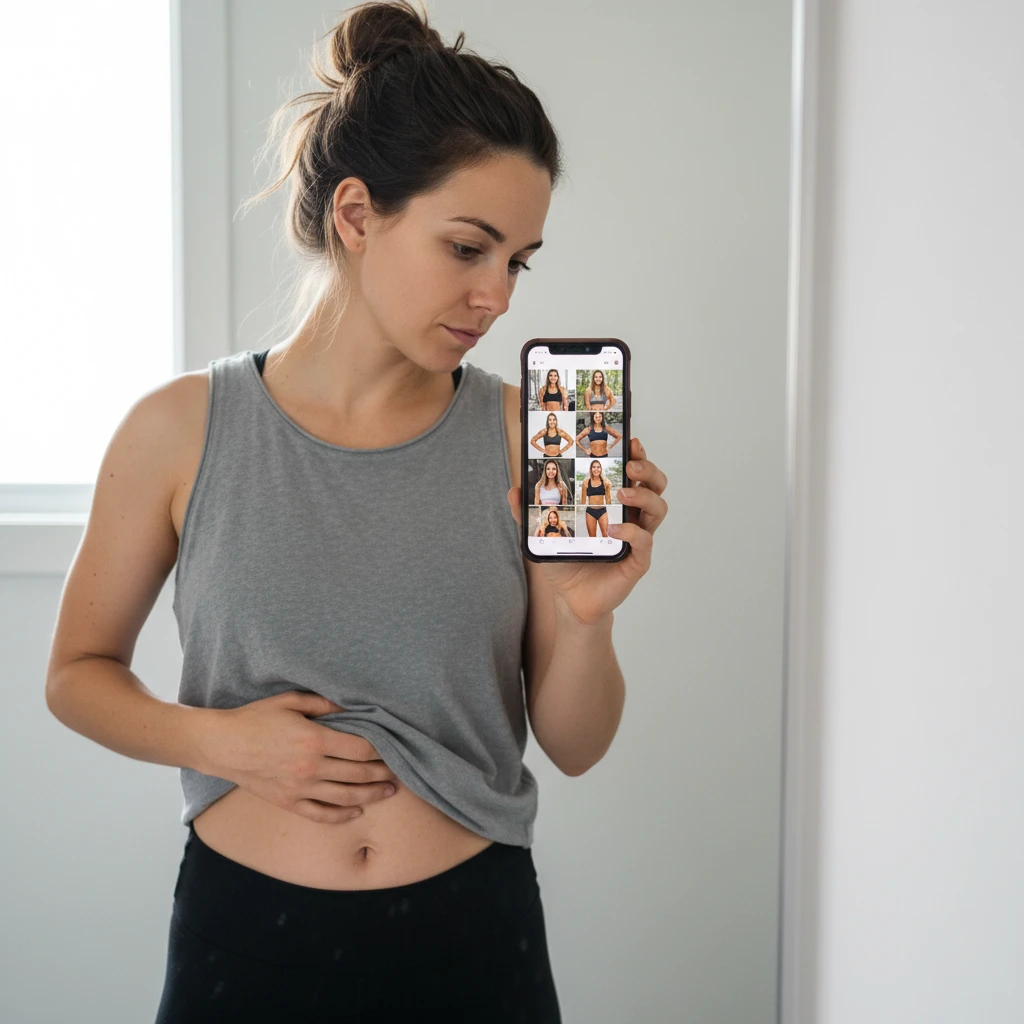
It is vital to reframe the postpartum period not as a time for weight loss, but as a time for tissue repair. The body requires substantial energy to heal the placental site (a wound the size of a dinner plate), produce milk, and regulate hormones. Rapid weight loss during this phase is often a sign of a health crisis, not a health victory.
How does breastfeeding affect eating disorder recovery?
Breastfeeding is often promoted as a “natural weight loss tool,” a narrative that can be incredibly triggering for those with eating disorders. While it is true that lactation burns calories, the relationship between breastfeeding and eating disorders is complex and fraught with potential pitfalls.
The Caloric Reality
Lactation requires approximately 300 to 500 additional calories per day above baseline maintenance needs. For a mother in the grip of an eating disorder relapse postpartum, consuming this volume of food can feel impossible. This deficit often leads to a decrease in milk supply, which can then trigger feelings of guilt and failure, further fueling the cycle of depression and restriction.
Sensory Overload and Body Autonomy
Breastfeeding also involves constant physical touch. For survivors of trauma or those with severe body image issues, the sensation of being “tapped out” or used solely as a food source can be overwhelming. This sensory overload can trigger dissociation or a desire to reclaim the body through purging or starvation.
Clinical Note: In New Zealand, while the Ministry of Health promotes breastfeeding, maternal mental health takes precedence. If breastfeeding is triggering a relapse, switching to formula is a valid, health-preserving medical decision. A fed baby and a mentally stable mother are the gold standard of care.

What are the signs of postpartum eating disorder relapse?
Family members and partners play a crucial role in spotting the signs of relapse, as the mother may be too entrenched in the disorder or too exhausted to recognize them herself. Warning signs include:
- Rigid Stroller Walking: Treating walks with the baby not as leisure, but as mandatory, high-intensity exercise, regardless of weather or fatigue.
- Food Rituals: Avoiding eating in front of partners, claiming to have “already eaten” while the baby was feeding, or obsessively counting calories for lactation purposes.
- Hyper-focus on Pumping: Obsessing over milk output volume as a metric of body performance, or restricting fluids to “reduce bloating” (which dangerously reduces milk supply).
- Social Isolation: Avoiding mothers’ groups or coffee mornings to avoid eating in social settings.
- Body Checking: Frequent weighing or checking the fit of pre-pregnancy clothes.
Maternal Mental Health Services NZ: Where to get help?
Navigating the healthcare system in New Zealand when dealing with an eating disorder relapse postpartum can be daunting. However, there are specific pathways designed to support maternal mental health.
1. Plunket and Well Child Providers
Plunket nurses are often the healthcare professionals who see new mothers most frequently. They are trained to look for signs of postnatal depression and anxiety. Disclosing struggles with food to a Plunket nurse can be an effective first step; they can provide referrals to GPs or specialized maternal mental health services.
2. General Practitioner (GP) Referral
Your GP is the gatekeeper to specialist care in NZ. Be explicit about your history. Ask for a referral to the local DHB (Te Whatu Ora) Maternal Mental Health Service. These services are free for eligible residents and are specifically designed for moderate to severe mental health issues during pregnancy and the first year postpartum.
3. EDANZ (Eating Disorders Association of New Zealand)
EDANZ provides support, information, and resources for people with eating disorders and their families. While they are not a clinical treatment service, they offer invaluable guidance on navigating the NZ health system and finding private specialists.
4. Private Specialists
For those with health insurance or the financial means, seeking a private clinical psychologist and a registered dietitian who specializes in eating disorders can bypass public wait times. Ensure the dietitian is “weight-inclusive” or follows HAES (Health at Every Size) principles to ensure safety.

How to manage recovery while parenting?
Recovering from an eating disorder while caring for a newborn is a challenge, but it is possible with structured support.
Mechanical Eating
When hunger cues are disrupted by hormones and stress, mechanical eating becomes necessary. This involves eating at set times (e.g., every 3 hours) regardless of hunger levels. Partners can support this by preparing snacks that can be eaten with one hand while holding the baby.
Delegating Feeds
If night feeds are leading to bingeing or restriction cycles due to sleep deprivation, organize a shift system with a partner or support person. Protecting the mother’s sleep is one of the most effective interventions for mental health stabilization.
Throwing Out the Scale
Remove the bathroom scale from the home. The postpartum body fluctuates wildly due to fluid retention and milk production. The number on the scale provides no useful data and serves only as a trigger.
Relapse does not mean failure. It is a signal that the current coping mechanisms are insufficient for the level of stress being experienced. With the right support from New Zealand’s medical community and loved ones, mothers can navigate back to recovery.
Can breastfeeding trigger an eating disorder relapse?
Yes, breastfeeding can be a significant trigger. The increased caloric demand can cause anxiety for those with a history of restriction, while the sensory experience and feeling of being “touched out” can trigger body dysmorphia or trauma responses. It is valid to choose formula feeding to protect maternal mental health.
What is the fastest way to access help for postpartum ED in NZ?
The fastest route is usually visiting your GP for an urgent referral to Maternal Mental Health services. Alternatively, you can contact Healthline (0800 611 116) for immediate advice, or reach out to EDANZ for guidance on private specialists if you have the resources.
Will my baby be taken away if I admit to an eating disorder?
This is a common fear, but generally unfounded. Seeking help is viewed as a protective action for your child. New Zealand’s Oranga Tamariki and health services prioritize keeping families together and supporting the mother to parent safely, unless there is an immediate, severe risk of harm to the child.
What is ‘Pregorexia’?
Pregorexia is a media term (not a clinical diagnosis) used to describe anorexia-like behaviors during pregnancy, such as extreme calorie restriction and over-exercising to control pregnancy weight gain. It poses serious health risks to both the mother and the developing fetus.
How can partners support a mother with postpartum eating issues?
Partners can help by removing scales from the house, preparing one-handed snacks, taking over night feeds to ensure the mother sleeps, and discouraging “bounce back” talk. They should also attend GP appointments to advocate for the mother’s mental health needs.
Are there free services for eating disorders in New Zealand?
Yes, public health services through Te Whatu Ora (Health NZ) are free for residents. This includes Maternal Mental Health services and specialist Eating Disorder Services (EDS), though waitlists can vary by region. Plunket and Healthline are also free resources.