Mental health services in Whangarei for eating disorders are primarily coordinated through Te Whatu Ora Te Tai Tokerau (formerly Northland DHB). Access begins with a GP referral to the Intake and Assessment team, which triages patients to either Child and Adolescent Mental Health Services (CAMHS) or General Adult Community Mental Health, often utilizing a shared-care model with specialist services based in Auckland.
What are the primary Mental Health Services in Whangarei for Eating Disorders?
Navigating the landscape of mental health services in Whangarei can be daunting, particularly when seeking specialized treatment for complex conditions such as anorexia nervosa, bulimia nervosa, or binge eating disorder. Unlike major metropolitan centers, Northland operates on a tiered system that relies heavily on primary care gatekeepers and regional collaboration.
In Whangarei, the public health system is the primary provider of acute and long-term care. Services are divided based on age and severity. For families dealing with an eating disorder, the first point of contact is almost invariably a General Practitioner (GP), who assesses medical stability before referring the patient to secondary services. It is crucial to understand that Whangarei Hospital does not have a dedicated, standalone inpatient eating disorder unit. Instead, medical stabilization occurs in general medical or pediatric wards, while psychiatric support is provided by consultation-liaison teams.
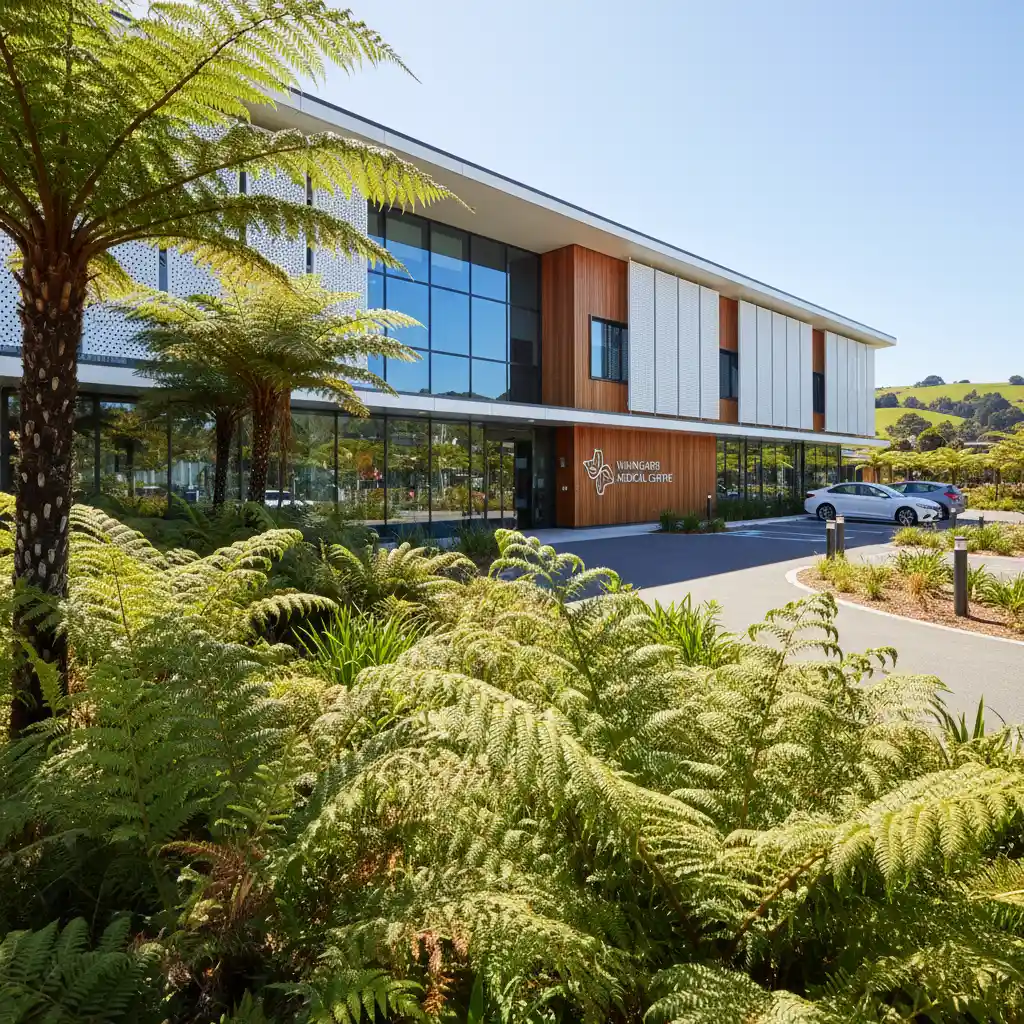
For outpatient care, services are delivered through Community Mental Health teams. These multidisciplinary teams consist of psychiatrists, psychologists, mental health nurses, and social workers. While they are generalist teams handling a wide range of mental health conditions, specific clinicians often hold portfolios or specific interests in eating disorders, providing the local “boots on the ground” for recovery monitoring.
Navigating Northland DHB Referral Pathways
Understanding the referral pathway within Te Whatu Ora Te Tai Tokerau (Northland) is essential for accessing timely care. The system is designed to triage patients based on immediate risk and long-term needs.
The Role of the GP
Your GP is more than just a doctor; they are the advocate who unlocks access to secondary care. When presenting with an eating disorder, the GP must perform a comprehensive medical assessment, including:
- Physical Examination: Checking vital signs, particularly orthostatic heart rate and blood pressure.
- Blood Tests: A full panel to check for electrolyte imbalances, liver function, and other metabolic markers.
- ECG: To monitor heart rhythm, as cardiac complications are a significant risk in eating disorders.
The Intake and Assessment Team
Once the GP submits a referral, it is received by the Intake and Assessment team. This centralized hub reviews the clinical information to determine the urgency. If the referral meets the criteria for moderate to severe mental health needs, the patient is assigned to a specific service arm:
- CAMHS (Child and Adolescent Mental Health Services): For individuals under 18. This team is critical for implementing Family-Based Treatment (FBT), which is the gold standard for adolescent anorexia.
- General Adult Community Mental Health: For individuals 18 and over. Treatment here focuses more on individual autonomy, utilizing modalities like CBT-E (Cognitive Behavioral Therapy for Eating Disorders).
If the referral does not meet the threshold for secondary services, the Intake team may refer the patient back to the GP with advice or direct them to primary mental health interventions and NGO providers.
Lack of Local Specialists: When to Travel to Auckland
One of the hardest realities for Northland residents is the scarcity of hyper-specialized eating disorder clinicians within the region. While Whangarei has competent generalist mental health staff, complex eating disorders often require the expertise of the Regional Eating Disorders Service (REDS) based in Auckland.
The Shared Care Model
Because Auckland is a two-hour drive (or more) from Whangarei, a “Shared Care” model is frequently utilized. This is a formal arrangement where:
- Assessment & Planning: The initial comprehensive psychiatric assessment and treatment planning are conducted by specialists at REDS in Auckland (sometimes via Telehealth).
- Local Monitoring: The implementation of the plan—such as weekly weigh-ins, physical health checks, and supportive counseling—is managed by the Whangarei Community Mental Health team and the patient’s GP.
- Crisis Intervention: If medical stability deteriorates, the patient may be admitted to Whangarei Hospital for stabilization before potential transfer to the Starship Hospital (for youths) or Auckland City Hospital specialist units.

Residential Treatment
Northland does not have a residential eating disorder facility. For patients requiring 24/7 therapeutic support outside of a hospital setting, referrals must be made to facilities in Auckland. This separation from home can be challenging for whānau, making the coordination between Northland services and Auckland providers vital for discharge planning and reintegration.
Community Mental Health Teams in Northland
While Whangarei serves as the hub, Northland is a vast geographical area. The mental health services are decentralized to ensure coverage across the region. Knowing which team covers your area is the first step in accessing support.
Whangarei and South
The Whangarei team is the largest, based near the hospital grounds. They have the highest concentration of staff and access to the hospital’s pediatric and medical wards. For those in Bream Bay or Mangawhai, travel to Whangarei is usually required for specialist appointments.
Mid and Far North
For residents outside of Whangarei, satellite teams provide essential coverage:
- Kaikohe: Serves the mid-North area. This team works closely with local Māori health providers given the demographics of the region.
- Kaitaia: Serves the Far North. Due to the extreme distance from Whangarei (over two hours), the Kaitaia team operates with a high degree of autonomy but relies heavily on Telehealth for specialist psychiatrist input.
- Dargaville: Serves the West Coast. Similar to Kaitaia, this is a smaller team that manages a broad caseload.
These community teams provide case management. A Case Manager (often a nurse or social worker) is the patient’s main point of contact, coordinating appointments, liaising with families, and ensuring the treatment plan is being followed.
Māori Health Providers in Northland
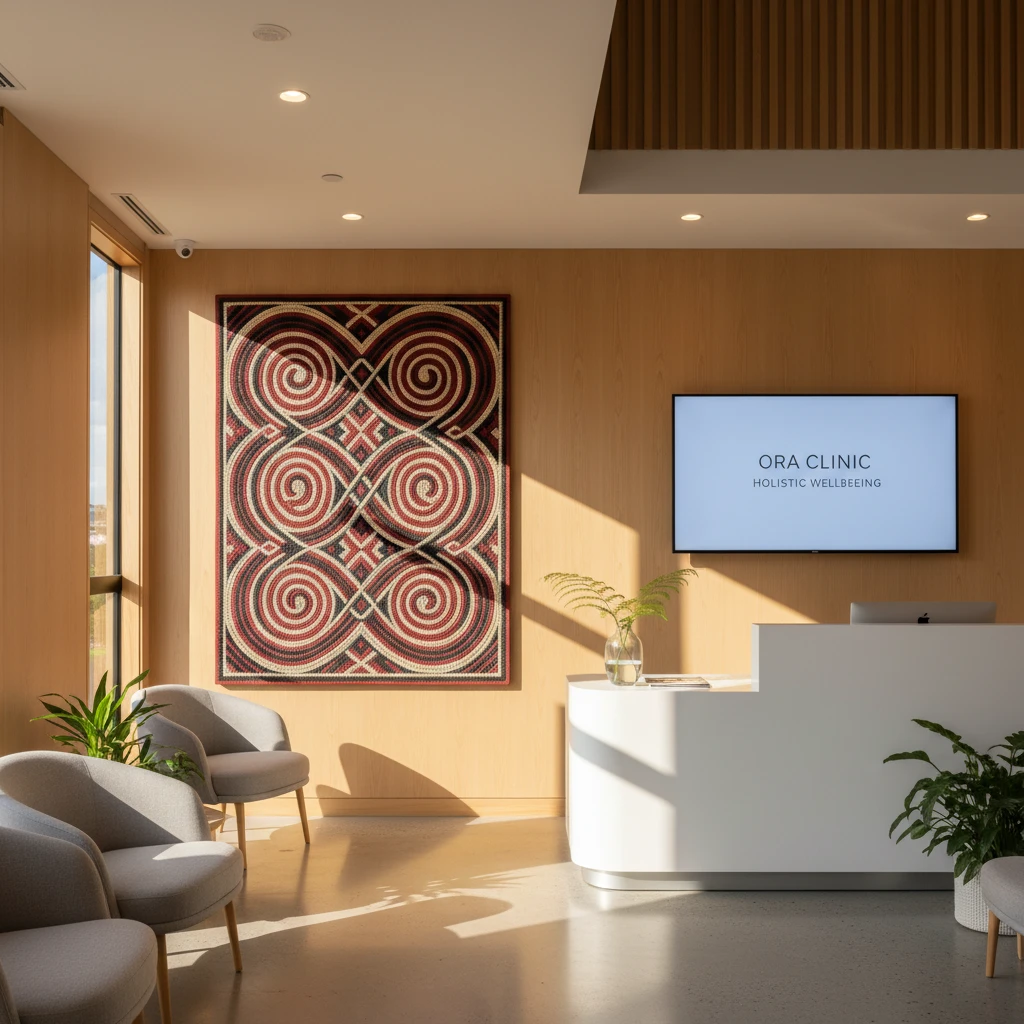
In Te Tai Tokerau, Māori Health Providers (Hauora Māori) play an indispensable role in the mental health ecosystem. For many Māori experiencing eating disorders, a clinical approach alone may not resonate. Hauora providers offer a holistic approach underpinned by Te Whare Tapa Whā—addressing the physical (tinana), spiritual (wairua), family (whānau), and mental (hinengaro) pillars of health.
Key Providers
Organizations such as Ngāti Hine Health Trust and Te Hauora o Te Hiku o Te Ika operate alongside the DHB services. While they may not specialize exclusively in eating disorders, they provide:
- Whānau Support: Helping the family unit understand and support the recovery process.
- Navigation Services: Kaiāwhina (support workers) who can accompany patients to appointments, ensuring they understand the clinical advice and advocating for their needs.
- Cultural Therapies: Reconnecting individuals with their culture as a source of strength and identity, which is often eroded by an eating disorder.
Referrals to these providers can often be made directly or facilitated through the Community Mental Health teams. For Māori patients, integrating Hauora services with clinical treatment often yields the best recovery outcomes.
Private vs. Public Options in Whangarei
Given the high demand on public mental health services in Whangarei, waitlists can be an issue. As a result, many families investigate private options. However, the private sector in Northland is small compared to Auckland.
The Private Landscape
There are a limited number of private psychologists and dietitians in Whangarei who specialize in eating disorders. Accessing them usually requires:
- Self-Funding: Private care is not subsidized by the DHB, although some insurance policies may cover a portion of the cost.
- GP Referral: While self-referral is possible, a GP letter is preferred to ensure the clinician has the full medical history.
The primary advantage of private care is speed of access and consistency of clinician. In the public system, staff turnover can lead to changes in case managers. In private practice, you build a long-term relationship with one therapist. However, private practitioners generally cannot manage high-risk patients who are medically unstable; these cases must be managed by the public hospital system.
Support for Families and Carers
Recovery from an eating disorder is rarely a solo journey. For parents and partners in Northland, the isolation can be difficult. Connecting with support networks is a vital component of the treatment strategy.

EDNZ (Eating Disorders New Zealand) provides resources and can link Northland families with online support groups. Because physical support groups are less frequent in Whangarei than in Auckland, virtual participation is common. These groups provide a space to learn skills (such as meal support techniques) and debrief with others who understand the unique challenges of caring for someone with an ED in a regional setting.
Conclusion
Accessing mental health services in Whangarei for eating disorder recovery requires patience, advocacy, and a willingness to utilize a mix of local generalist support and Auckland-based specialist oversight. By understanding the referral pathways through Te Whatu Ora and engaging with both clinical and Hauora Māori providers, families in Northland can build a robust safety net for recovery.
People Also Ask
Do I need a referral for mental health services in Whangarei?
Yes, for secondary mental health services funded by the DHB, you typically need a referral from a General Practitioner (GP). However, some NGO and community support services may accept self-referrals.
Is there an inpatient eating disorder clinic in Northland?
No, there is no dedicated residential eating disorder clinic in Northland. Patients requiring inpatient psychiatric care for eating disorders are usually referred to specialist units in Auckland, such as the Tupu Ora Regional Eating Disorders Service.
What is the wait time for mental health assessments in Whangarei?
Wait times vary based on severity and demand. Urgent cases (high risk) are seen quickly, often within 24-48 hours, while non-urgent referrals to community teams can take several weeks to process.
Can I access private psychologists in Whangarei for eating disorders?
Yes, there are private psychologists in Whangarei. However, those specializing specifically in eating disorders are limited, and many families may utilize Telehealth to access specialists based in other parts of New Zealand.
How do I contact the Crisis Team in Northland?
If you or someone else is in immediate mental health crisis, you can contact the Northland DHB Mental Health Crisis Team via the urgent triage number, usually available 24/7 through the hospital switchboard or specific crisis lines listed on the Healthpoint website.
Are there Māori mental health providers in Whangarei?
Yes, there are several Kaupapa Māori health providers in Whangarei and the wider Northland region, such as Ngāti Hine Health Trust, offering culturally appropriate mental health support services.