Eating disorder clinics in New Zealand provide specialized treatment through public Te Whatu Ora services and private practices. Care ranges from community-based outpatient therapy and day programmes to specialized residential treatment centers like Tupu Ora in Auckland and CREDS in Wellington. Access typically requires a GP referral for public funding or direct contact for private specialists.
Navigating the landscape of mental health recovery can be overwhelming, particularly when seeking specialized care for conditions such as anorexia nervosa, bulimia nervosa, or binge eating disorder. New Zealand offers a tiered system of support, blending public health initiatives with private sector expertise to ensure comprehensive care across the country.
Regional Hubs for Eating Disorder Services
New Zealand’s public health system organizes eating disorder services regionally. These services are generally funded by Te Whatu Ora (Health New Zealand) and are accessible via referrals from General Practitioners (GPs). The public system is designed to handle moderate to severe cases, offering multidisciplinary teams comprising psychiatrists, psychologists, dietitians, and nurses.
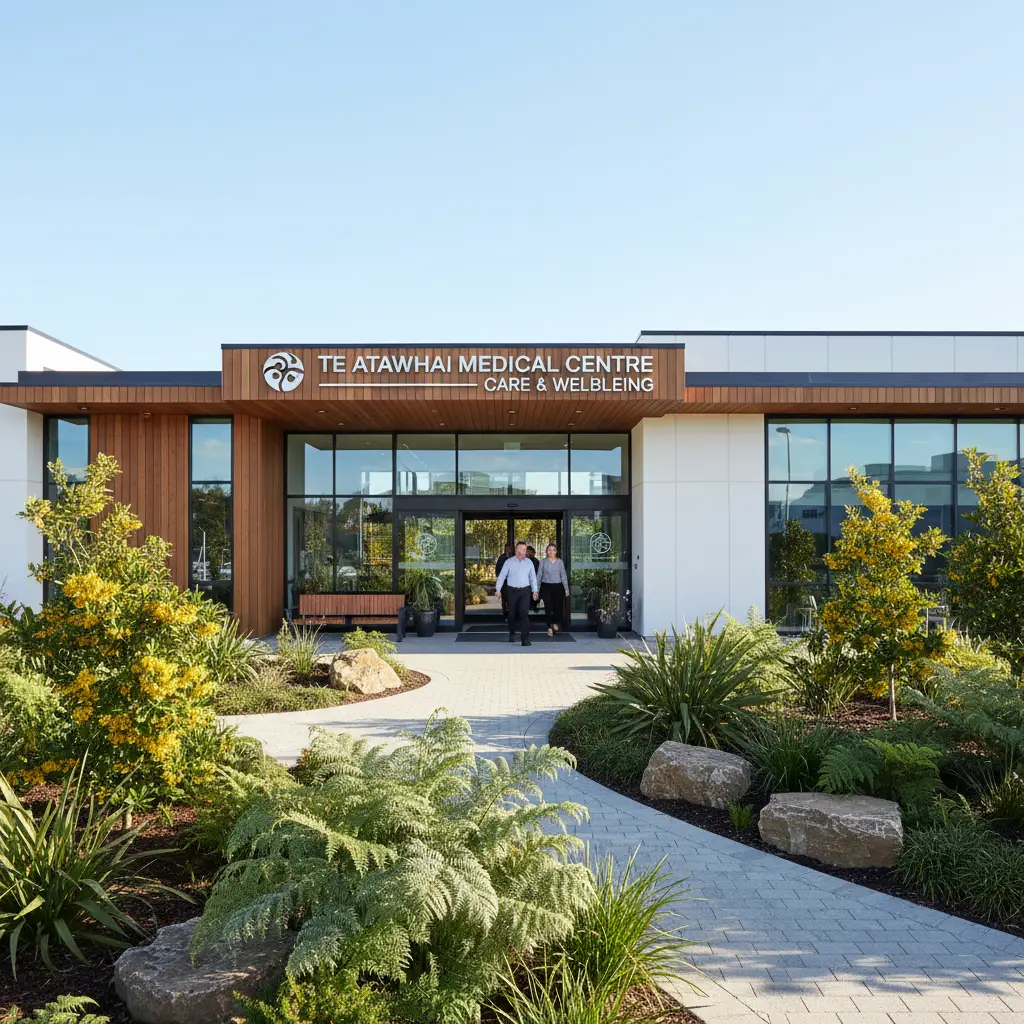
Northern Region: Auckland and Northland
The Northern region is served primarily by the Regional Eating Disorders Service (REDS), often referred to in the context of Tupu Ora. Located in Auckland, this hub provides services for the Auckland, Waitematā, and Counties Manukau districts, as well as Northland.
Tupu Ora is a critical facility offering both residential and non-residential care. It is one of the few dedicated specialist eating disorder facilities in the country providing intensive inpatient support for those who are medically stable but require 24-hour therapeutic supervision.
Central Region: Wellington and Lower North Island
For those located in the capital and surrounding areas, the Central Region Eating Disorder Service (CREDS) is the primary provider. Based in the Wellington region, CREDS services a wide catchment area including Whanganui, Hawke’s Bay, and MidCentral districts.
CREDS offers a continuum of care that includes outpatient clinics, day programmes, and consultation-liaison services to local mental health teams. Their approach is heavily focused on Family-Based Treatment (FBT) for adolescents, which is the gold standard for youth recovery.
Southern Region: Christchurch and South Island
The South Island Eating Disorders Service (SEDS) operates out of Christchurch, supporting the Canterbury region and extending specialist consultation to the wider South Island, including Otago and Southland. SEDS provides assessment and treatment for complex cases that cannot be managed by general mental health services.
In the South Island, there is a strong emphasis on collaboration between the specialist hub in Christchurch and local Community Mental Health Teams (CMHT) in smaller towns to ensure patients can receive treatment closer to home whenever possible.
Private Specialists by City
While the public system provides essential care for severe cases, many New Zealanders opt for private treatment to bypass waitlists or to access specific therapeutic modalities. Private clinics often offer a more bespoke environment and flexible scheduling.

Private Options in Auckland
Auckland hosts the highest concentration of private eating disorder specialists. Key providers include the New Zealand Eating Disorders Specialists (NZEDS), a private clinic offering a multidisciplinary approach similar to the public system but available for private payers. They employ clinical psychologists, dietitians, and psychotherapists who work collaboratively.
Additionally, Practice 92 offers specialized psychiatric and psychological services. Private practice allows for continuity of care where the same therapist can guide a patient through various stages of recovery, from acute illness to maintenance.
Private Care in Wellington and Christchurch
In Wellington, several private clinical psychologists specialize in eating disorders, often working in networks to provide holistic care. Anxiety NZ and other broader mental health clinics also have specialists trained in eating disorder management.
Christchurch has a network of private dietitians and psychologists who specialize in the Health at Every Size (HAES) approach and intuitive eating, which are crucial for long-term recovery. Many of these practitioners can be found through the New Zealand Psychological Society directory.
Understanding the Treatment Tiers in New Zealand
Effective treatment requires matching the intensity of the intervention with the severity of the illness. In New Zealand, treatment is delivered across three main tiers.
Residential and Inpatient Treatment
This is the highest level of care. Medical inpatient care happens in general hospitals (like Auckland City Hospital or Wellington Hospital) when a patient is medically unstable. Once medically stabilized, they may transfer to a specialist residential facility like Tupu Ora. These facilities provide a structured environment where meals are supervised, and therapy is intensive.
Day Programmes
Day programmes act as a bridge between inpatient care and outpatient life. Patients attend the clinic for the majority of the day (e.g., 9 am to 3 pm) to receive meal support and group therapy but return home at night. This model is effective for testing recovery skills in the “real world” while maintaining a safety net.
Community Outpatient Services
The vast majority of eating disorder treatment in NZ occurs on an outpatient basis. This involves regular appointments (weekly or bi-weekly) with a psychologist, dietitian, and GP. Therapies used include Cognitive Behavioral Therapy for Eating Disorders (CBT-E), Maudsley Family Based Treatment (FBT), and Dialectical Behavior Therapy (DBT).

Support Groups and Community Resources
Recovery is rarely a solitary journey. Community resources play a vital role in supporting both the individual and their whānau.
EDANZ (Eating Disorders Association of New Zealand)
EDANZ is the premier non-profit organization providing support for parents and caregivers. Founded by parents who have navigated the system, they offer a wealth of practical advice, advocacy, and hope. They run volunteer helplines and host support group meetings, providing a safe space for families to share experiences and strategies.
Online Support and Helplines
For immediate support, New Zealanders can access the 1737 text/call service to speak with a trained counselor. While not exclusive to eating disorders, they can provide crisis intervention. Additionally, Voices of Hope shares lived experience stories that can be incredibly motivating for those in the thick of recovery.
Student Health Services
University students are in a high-risk demographic for the onset of eating disorders. Fortunately, New Zealand universities are well-equipped to assist.
University Health Centres
Institutions like the University of Auckland, Victoria University of Wellington, and the University of Otago have dedicated student health centres. These centres usually offer low-cost or free counselling and GP services.
Student Health doctors are often the first point of contact for diagnosis and referral. They can refer students directly to regional public services (like CREDS or SEDS) or manage mild cases internally with university counsellors and dietitians.
Navigating Referrals and Funding
Understanding how to pay for and access these services is critical for timely treatment.

The GP Referral Process
To access public services funded by Te Whatu Ora, you must visit a General Practitioner (GP). The GP will perform an initial assessment, including physical checks (weight, heart rate, blood pressure) and blood tests. If the criteria are met, they will send a referral to the regional specialist service. Be aware that public services often have strict criteria based on BMI and severity, though they are moving toward more holistic assessment models.
Private Health Insurance and ACC
Most private health insurance policies in New Zealand (e.g., Southern Cross) have limited coverage for psychiatric conditions, often capping the benefit amount. However, some “deluxe” plans may cover consultations with private specialists. It is essential to check your policy wording carefully.
ACC (Accident Compensation Corporation) generally covers injuries caused by accidents. However, if an eating disorder develops as a direct consequence of a physical injury or sexual violence (under the Sensitive Claims pathway), ACC may fund the entire cost of therapy and treatment. This is a crucial avenue for funding that is often overlooked.
People Also Ask
Is eating disorder treatment free in NZ?
Yes, treatment is free for New Zealand residents and citizens if accessed through the public health system (Te Whatu Ora). This includes specialist appointments, day programmes, and residential care. However, private clinics and specialists charge fees unless covered by private insurance or ACC.
How do I get referred to an eating disorder clinic in NZ?
The primary pathway is through your General Practitioner (GP). Your GP will conduct a physical and mental health assessment. If your condition meets the threshold for specialist care, they will refer you to your regional service (e.g., REDS, CREDS, or SEDS).
What is the best eating disorder clinic in New Zealand?
There is no single “best” clinic as needs vary. Tupu Ora in Auckland is highly regarded for residential care. For private outpatient care, NZEDS in Auckland is a top choice. The “best” clinic is one that offers the modality (e.g., FBT, CBT-E) that aligns with the patient’s specific recovery needs.
Are there residential eating disorder facilities in NZ?
Yes, there are specialist residential facilities. The most prominent is Tupu Ora in Auckland, which accepts referrals nationwide for severe cases. Some private hospitals may also offer inpatient psychiatric care suitable for eating disorder stabilization.
Does Southern Cross cover eating disorder treatment?
Coverage depends heavily on your specific plan. Basic plans typically do not cover psychiatric or mental health consultations. Higher-tier plans may offer an annual allowance for psychiatrist or psychologist consultations, but it rarely covers the full cost of intensive residential treatment.
How long is the waitlist for public eating disorder services?
Waitlists vary significantly by region and severity of the illness. Urgent cases involving medical instability are prioritized and seen quickly. Moderate cases may face wait times of several weeks to months. It is advisable to seek private support or GP monitoring while waiting.