Eating disorder treatment in New Zealand operates through a dual-pathway system involving public services funded by Te Whatu Ora (Health New Zealand) and private specialized clinics. Pathways typically require a GP referral for assessment, leading to outpatient psychological therapy (CBT-E, FBT), day programmes, or residential care, depending on severity and regional availability.
Overview of Eating Disorder Services in New Zealand
Recovering from an eating disorder is a complex journey that requires a multidisciplinary approach, combining medical monitoring, nutritional rehabilitation, and psychological therapy. In New Zealand, the landscape of eating disorder treatment NZ has evolved to address a wide spectrum of conditions, including Anorexia Nervosa, Bulimia Nervosa, Binge Eating Disorder (BED), and Avoidant/Restrictive Food Intake Disorder (ARFID).
The New Zealand model of care generally follows international best practices, prioritizing outpatient care where possible to keep the individual connected to their community and support systems. However, the demand for services has historically outstripped supply, making it critical for patients and whānau to understand exactly how to navigate the system efficiently.

The Multidisciplinary Team Approach
Regardless of whether treatment is sought through the public or private sector, effective recovery in New Zealand relies on a team-based approach. A standard treatment team usually consists of:
- General Practitioner (GP): The gatekeeper for referrals and primary medical monitoring (bloods, ECGs, vitals).
- Clinical Psychologist or Psychotherapist: Delivers evidence-based therapies such as Cognitive Behavioral Therapy for Eating Disorders (CBT-E) or Maudsley Family Based Treatment (FBT).
- Specialist Dietitian: Focuses on nutritional rehabilitation and normalizing eating behaviors.
- Psychiatrist: Manages co-occurring conditions like anxiety or depression and oversees medication if necessary.
Understanding the NZ Public vs Private System
One of the first decisions families and individuals face is choosing between the public health system (Te Whatu Ora) and private providers. This decision often hinges on the severity of the illness, financial resources, and geographical location.
Public System (Te Whatu Ora)
New Zealand’s public health system provides free specialist eating disorder services (SEDS) for those who meet specific criteria. These services are regionally based (e.g., Tupu Ora in Auckland, CREDS in Wellington, SEDS in Christchurch).
Pros:
- Cost: Services are fully funded, meaning no direct cost to the patient.
- Integrated Care: Access to hospital inpatient units for medical stabilization if required.
- Evidence-Based: Adherence to strict clinical guidelines and multidisciplinary team structures.
Cons:
- High Threshold for Entry: Public services often prioritize severe to critical cases (e.g., low BMI or severe medical instability). Those with “mild to moderate” presentations or atypical anorexia may struggle to get a referral accepted.
- Waitlists: Wait times can range from weeks to months, depending on the region and current demand.
- Limited Flexibility: Patients are assigned clinicians and cannot typically choose their therapist.
Private Sector
The private sector in New Zealand consists of independent clinics, private hospitals, and individual practitioners.
Pros:
- Speed of Access: Significantly shorter wait times compared to the public system.
- Choice: Ability to select specific therapists or dietitians who align with the patient’s needs.
- Broader Criteria: Private providers often treat clients who do not meet the strict severity criteria of the public system, allowing for earlier intervention.
Cons:
- Cost: Treatment is expensive. A comprehensive team approach can cost hundreds of dollars per week.
- Geographic Limitations: Most specialized private clinics are concentrated in major urban centers (Auckland, Wellington, Christchurch).

Navigating ACC and Insurance Funding
Funding is the most significant barrier to accessing eating disorder treatment NZ wide. Understanding the nuances of ACC and private health insurance can unlock resources that make recovery financially viable.
Does ACC Cover Eating Disorders?
The Accident Compensation Corporation (ACC) does not cover eating disorders as a primary injury. However, cover is available under the Integrated Services for Sensitive Claims (ISSC) contract.
If the eating disorder is a mental injury resulting from sexual abuse or assault, ACC may fund the entire course of psychological treatment. This is a crucial pathway for many sufferers, as trauma is a common comorbidity with eating disorders.
- The Process: You must lodge a claim through a registered ACC provider (therapist or GP). If accepted, ACC funds therapy sessions, and in some cases, can contribute to dietetic support if deemed essential for the mental injury treatment.
Private Health Insurance
Health insurance coverage for eating disorders in New Zealand is historically limited, but improving. Policies vary significantly between providers (e.g., Southern Cross, NIB, Partners Life).
- Psychiatric Care Allowance: Most comprehensive plans have an allowance for psychiatrist or psychologist consultations (e.g., $3,000–$5,000 per year).
- Exclusions: Many policies have specific exclusions for “eating disorders” or classify them as chronic conditions. Always check the fine print regarding pre-existing conditions.
- Specialist Tests: Insurance often covers the medical monitoring aspect (GP visits, blood tests, ECGs) even if they do not cover the therapy itself.
Directory of Regional Clinics and Specialists
Finding the right help depends on where you live. Below is a breakdown of the primary public and private hubs for eating disorder treatment in New Zealand.
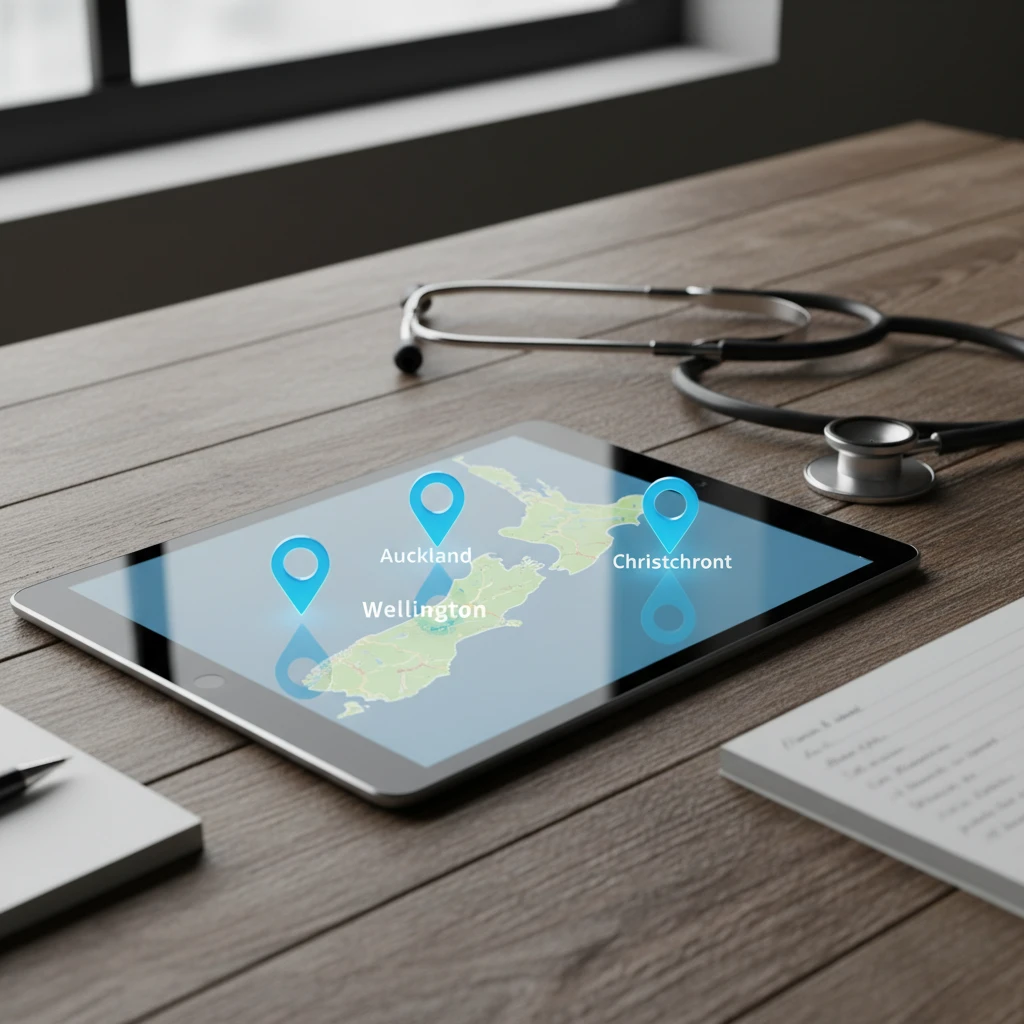
Auckland and Northland
Public: Tupu Ora (Regional Eating Disorders Service). Located in Greenlane, Tupu Ora provides outpatient care, day programmes, and residential treatment for the Northern region. They cater to child, adolescent, and adult services.
Private: Auckland has the highest concentration of private specialists.
New Zealand Eating Disorders Clinic (NZEDC): A leading private clinic offering specialist psychology and dietetic services.
Practice 92: Specializes in psychiatric and psychological care.
Wellington and Central Region
Public: CREDS (Central Region Eating Disorder Services). Based in Wellington, CREDS services the lower North Island. They offer a highly regarded multidisciplinary programme including family therapy and medical management.
Private: Several independent clinical psychologists operate in the CBD and Lower Hutt, specializing in CBT-E and ACT (Acceptance and Commitment Therapy).
Christchurch and South Island
Public: SEDS (South Island Eating Disorders Service). Located at the Princess Margaret Hospital, providing inpatient and outpatient services for the entire South Island region.
Private: Biotis: A private mental health service in Christchurch with psychiatrists and psychologists experienced in ED recovery.
Resources for Neurodivergent and Adult Sufferers
The stereotype of eating disorders affecting only teenage girls often leaves adults and neurodivergent individuals underserved. New Zealand providers are increasingly recognizing these unique needs.
Neurodiversity (Autism/ADHD) and ARFID
There is a significant overlap between neurodivergence and eating disorders, particularly ARFID (Avoidant/Restrictive Food Intake Disorder). Sensory sensitivities to texture, smell, and taste can mimic restrictive eating.
Treatment for neurodivergent clients in NZ is shifting away from strict behavioral coercion toward neuro-affirming care. This involves:
- Occupational Therapy (OT) alongside dietetics to manage sensory processing.
- Adapting CBT-E to be more concrete and less abstract.
- Recognizing “safe foods” as a valid coping mechanism during stabilization.
Adult Recovery
Adults (25+) often face different barriers, such as employment responsibilities and lack of parental support structures used in FBT. Adult treatment focuses more on individual autonomy and “Reparenting” strategies.
EDANZ (Eating Disorders Association of NZ): While not a treatment provider, EDANZ is the primary support organization for families. They offer invaluable advice for adults and parents navigating the system, providing hope that recovery is possible at any age.

How to Start Your Recovery Journey Today
If you or a loved one is struggling, the first step is a GP appointment. Request an extended consultation (double appointment) to allow time to discuss both the physical and mental aspects of the condition. Be honest about your intake and behaviors so the GP can make an accurate referral to Tupu Ora, CREDS, or a private specialist.
People Also Ask
Is eating disorder treatment free in New Zealand?
Treatment is free if you are accepted into the public health system (Te Whatu Ora) services like Tupu Ora or CREDS. Private treatment is not free and must be self-funded or covered by health insurance.
How do I get a referral for an eating disorder in NZ?
You must visit your General Practitioner (GP). They will conduct a physical examination (weight, blood pressure, heart rate) and order blood tests. Based on these results, they will refer you to the local DHB specialist service or suggest private providers.
Does Southern Cross cover eating disorders?
Southern Cross policies vary. Generally, they do not cover “eating disorders” specifically under surgical or medical plans, but may offer a psychiatric allowance ($2,500-$5,000/year) that can be used for consultations. Always check your specific policy document.
What is the waiting time for eating disorder treatment in NZ?
Public system wait times vary by region and severity, ranging from a few weeks for urgent cases to 4-6 months for routine assessments. Private clinics typically have shorter wait times, often seeing new clients within 2-4 weeks.
Can adults get treatment for eating disorders in NZ?
Yes, public services treat adults, although resources are often prioritized for youth. Private psychologists and psychiatrists are widely available for adult treatment, focusing on CBT-E and SSCM (Specialist Supportive Clinical Management).
What is Family Based Treatment (FBT)?
FBT is the gold-standard treatment for adolescents with Anorexia Nervosa in New Zealand. It involves the family taking charge of nutritional rehabilitation at home, rather than sending the child away to a facility, and is supported by weekly therapy sessions.