Eating disorders in New Zealand are clinically classified into several distinct categories based on the DSM-5 criteria adopted by Te Whatu Ora. The primary types include Anorexia Nervosa, Bulimia Nervosa, and Binge Eating Disorder, alongside increasingly prevalent conditions like ARFID and OSFED, which encompass a wide range of disordered eating behaviors requiring specialized psychiatric and medical intervention.
Beyond Anorexia and Bulimia: Understanding Complex Diagnoses
While Anorexia Nervosa and Bulimia Nervosa are the most widely recognized terms in the public lexicon, the landscape of eating disorders in New Zealand is far more nuanced. Clinical data suggests that the majority of individuals seeking treatment do not fit neatly into these two boxes. Instead, they often present with complex symptom profiles that fall under different diagnostic codes, yet carry equal severity and health risks.
Understanding the full spectrum of the types of eating disorders NZ healthcare providers treat is critical for early intervention. The misconception that one must be visibly underweight to have an eating disorder is a dangerous myth that delays treatment for thousands of Kiwis.

Binge Eating Disorder (BED)
Binge Eating Disorder (BED) is statistically one of the most common eating disorders in New Zealand, yet it remains under-diagnosed. Unlike Bulimia Nervosa, BED involves periods of excessive overeating (binging) without the regular use of compensatory behaviors such as vomiting, excessive exercise, or laxative misuse.
Individuals with BED often experience immense shame, distress, and guilt regarding their eating habits. In the New Zealand context, this is frequently misidentified as a simple lack of willpower or a “lifestyle issue,” rather than the serious psychiatric illness that it is. The diagnostic criteria used by NZ clinicians involve recurrent episodes of binge eating associated with three or more of the following:
- Eating much more rapidly than normal.
- Eating until feeling uncomfortably full.
- Eating large amounts of food when not physically hungry.
- Eating alone because of feeling embarrassed by how much one is eating.
- Feeling disgusted with oneself, depressed, or very guilty afterward.
Other Specified Feeding or Eating Disorder (OSFED)
Historically referred to as EDNOS (Eating Disorder Not Otherwise Specified), OSFED is likely the most prevalent diagnosis within the New Zealand population. This category is not a “catch-all” for less serious conditions; rather, it describes disorders that cause clinically significant distress or impairment but do not meet the full criteria for Anorexia or Bulimia.
OSFED is a critical category because it validates the severity of the illness for those who might otherwise be dismissed. Examples of OSFED seen frequently in NZ clinics include:
- Atypical Anorexia Nervosa: All criteria for Anorexia Nervosa are met, except that despite significant weight loss, the individual’s weight is within or above the normal range. This is particularly dangerous as medical professionals may overlook the metabolic damage because the patient does not appear emaciated.
- Purging Disorder: Recurrent purging behavior to influence weight or shape in the absence of binge eating.
- Night Eating Syndrome: Recurrent episodes of night eating, as manifested by eating after awakening from sleep or by excessive food consumption after the evening meal.
The Rise of ARFID in New Zealand
In recent years, New Zealand paediatricians and dietitians have seen a surge in referrals for Avoidant/Restrictive Food Intake Disorder (ARFID). Unlike other eating disorders, ARFID is not driven by body image distress or a desire to be thin. Instead, it is characterized by an inability to meet appropriate nutritional and/or energy needs due to feeding disturbances.

Distinguishing ARFID from “Picky Eating”
It is vital to distinguish ARFID from common childhood fussy eating. While picky eating is a phase many Kiwi children go through, ARFID results in significant weight loss (or failure to achieve expected weight gain), nutritional deficiency, dependence on enteral feeding or oral nutritional supplements, and marked interference with psychosocial functioning.
In New Zealand, ARFID is generally categorized into three subtypes, though patients often present with a mix:
- Sensory Sensitivity: Avoidance based on sensory characteristics of food (texture, smell, color, temperature). For example, a person might only be able to eat foods that are beige and crunchy.
- Fear of Aversive Consequences: Avoidance based on a conditioned negative response, such as a fear of choking, vomiting, or experiencing pain after eating. This often follows a traumatic event.
- Lack of Interest: Individuals who have a very low appetite and simply do not care about food or eating. They may view eating as a chore.
ARFID in Adults
While often associated with children, ARFID is increasingly recognized in New Zealand adults. Many adults may have struggled with “selective eating” their entire lives, often labeled as difficult or stubborn, before receiving a proper diagnosis. Accessing public funding for adult ARFID treatment in NZ can be challenging, as many services are geared specifically toward Anorexia and Bulimia, highlighting a gap in the current healthcare provision.
Diabulimia: The Intersection of Diabetes and EDs
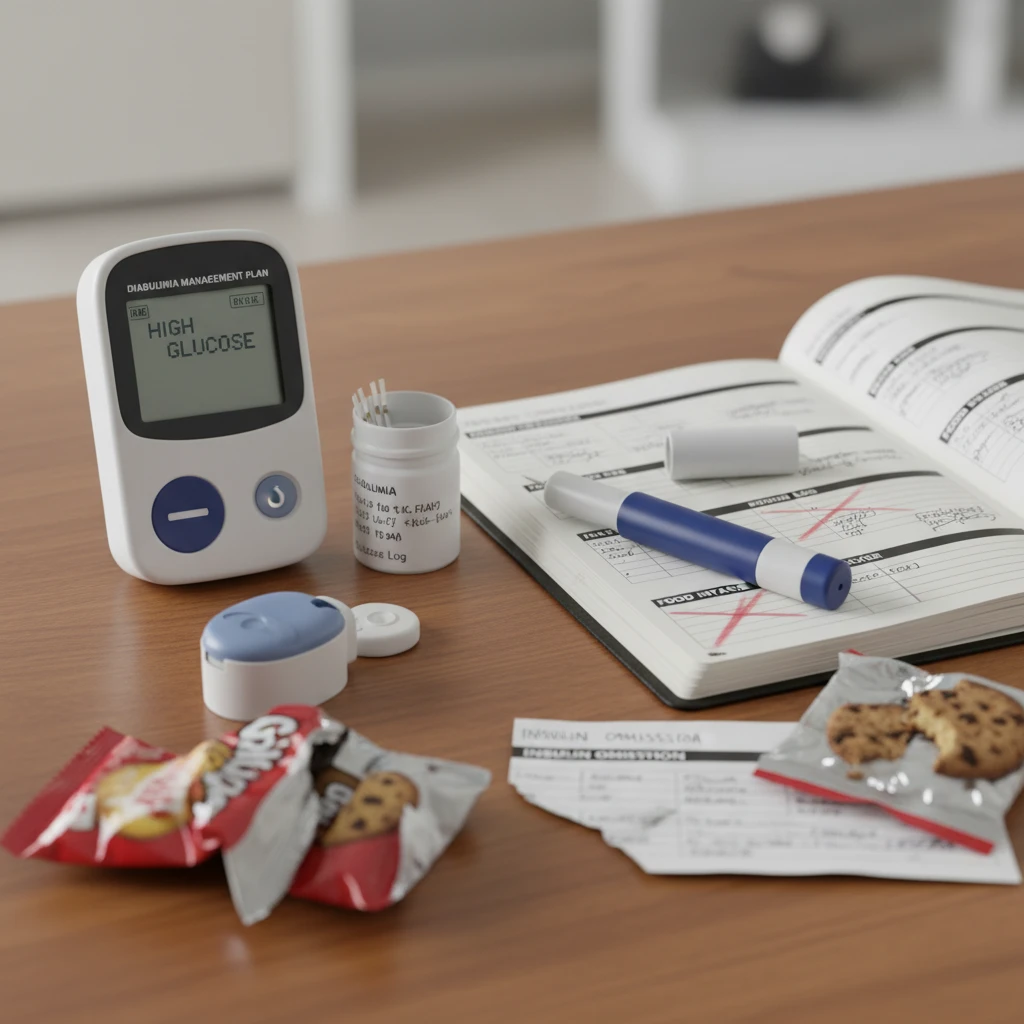
Diabulimia is a media-coined term that refers to an eating disorder in a person with Type 1 Diabetes, specifically the deliberate omission or reduction of insulin to induce weight loss. While not a formal diagnostic term in the DSM-5 (it is usually diagnosed as ED-DMT1 or under OSFED), it is a life-threatening condition recognized by diabetes specialists across New Zealand.
The Mechanism and Danger
In Type 1 Diabetes, the body cannot produce insulin. Without insulin, the body cannot process glucose for energy and begins to break down fat and muscle, resulting in rapid weight loss. This state is known as Diabetic Ketoacidosis (DKA). Individuals with Diabulimia learn that by skipping insulin, they can purge calories through glucose in the urine.
This is arguably one of the most dangerous types of eating disorders NZ clinicians encounter. The risks include:
- Rapid onset of DKA (which can be fatal).
- Early-onset retinopathy (blindness).
- Neuropathy (nerve damage).
- Kidney failure.
Treatment Challenges in NZ
Treating Diabulimia requires a highly integrated approach between endocrinologists (diabetes specialists) and mental health professionals. In New Zealand, the separation of physical health services and mental health services can sometimes create barriers to this integrated care. Recovery involves not just nutritional rehabilitation and psychological therapy, but also the re-establishment of trust with insulin administration.
Diagnostic Criteria in the NZ Health System
Navigating the New Zealand health system to receive a diagnosis can be a complex process. Diagnoses are primarily based on the Diagnostic and Statistical Manual of Mental Disorders, 5th Edition (DSM-5). However, how these criteria are applied to access funding and support varies across different regions (formerly DHBs, now under Te Whatu Ora).

The Role of the General Practitioner (GP)
For most New Zealanders, the journey to diagnosis begins with the GP. A GP will typically perform:
- Physical Examination: Checking blood pressure (lying and standing to check for postural drop), heart rate, temperature, and weight.
- Blood Tests: Checking for electrolyte imbalances, kidney function, and other markers of malnutrition.
- Screening Questionnaires: Using tools like the SCOFF questionnaire or the EDE-Q (Eating Disorder Examination Questionnaire).
It is important to note that a GP can identify the symptoms and refer, but the formal diagnosis is often confirmed by a psychiatrist or a specialist at a community eating disorder service.
Public vs. Private Diagnostic Pathways
In the public system (Te Whatu Ora), criteria for acceptance into specialist eating disorder services are often strict due to high demand. Referrals are usually prioritized based on physical severity (e.g., low BMI, unstable vitals) and the severity of psychological distress. This triage system sometimes means that those with OSFED, BED, or those at a “normal” weight with Atypical Anorexia may face longer wait times or struggle to access specialist public care.
The private sector in New Zealand offers an alternative for those with medical insurance or the ability to self-fund. Private clinics often have shorter wait times and may offer more comprehensive support for the types of eating disorders that fall outside the immediate crisis criteria of the public hospital system.
Orthorexia: An Emerging Concern
While not yet an official clinical diagnosis in the DSM-5, Orthorexia Nervosa is increasingly observed by NZ dietitians and psychologists. It involves an unhealthy obsession with eating “pure” or “healthy” food. In New Zealand’s health-conscious culture, this can be difficult to spot. It becomes a disorder when the obsession consumes the person’s life, leads to social isolation, and results in malnutrition due to the elimination of entire food groups.
Frequently Asked Questions
What is the most common eating disorder in New Zealand?
While Anorexia is the most discussed, statistical evidence suggests that Binge Eating Disorder (BED) and OSFED (Other Specified Feeding or Eating Disorder) are the most prevalent types of eating disorders in New Zealand, affecting a broader demographic than often realized.
Does the NZ public health system cover all types of eating disorders?
Te Whatu Ora (Health New Zealand) provides services for all eating disorders, but access is often triaged based on severity. Severe Anorexia and Bulimia cases are often prioritized. Those with BED or ARFID may face longer wait times or may need to seek private treatment depending on regional capacity.
Is Orthorexia clinically diagnosed in NZ?
Orthorexia is not currently a separate diagnosis in the DSM-5, which is the standard used in NZ. However, clinicians recognize the behavior patterns and may diagnose it under OSFED or treat the underlying anxiety and obsessive-compulsive traits associated with it.
Can adults get diagnosed with ARFID in New Zealand?
Yes, adults can be diagnosed with ARFID. While it often begins in childhood, many adults in NZ are now being diagnosed retrospectively. However, finding adult-specific treatment programs in the public sector can be more difficult than for pediatric patients.
What is the difference between Anorexia and Atypical Anorexia?
The primary difference is body weight. In Atypical Anorexia, the individual meets all the psychological and behavioral criteria for Anorexia (restriction, fear of weight gain) but maintains a weight within or above the normal range. The medical risks, however, are often just as severe.
Do I need a GP referral to see an eating disorder specialist in NZ?
For public services funded by Te Whatu Ora, a GP referral is almost always required. For private psychologists, dietitians, or clinics, you can often self-refer, though many private specialists still prefer a GP handover to ensure medical safety.